Chain Extender 3700
- CAS No.1191261-43-4
- GradeIndustrial / Pharmaceutical
- Availability● In Stock
High-performance polymeric epoxy chain extender designed to enhance viscosity, mechanical strength, and hydrolysis resistance in thermoplastic polymers like PET, PA, and PLA.
Request Bulk PricingProduct Technical Details
Product Overview
Chain Extender 3700 is an advanced polymeric epoxy-functionalized additive engineered for the modification and enhancement of condensation thermoplastics. As a high-efficiency chain extender, it serves a critical role in restoring and improving the molecular weight of degraded polymers during processing. This specialty chemical is particularly valuable for manufacturers seeking to optimize the performance of recycled materials or enhance the properties of virgin resins without compromising processability.
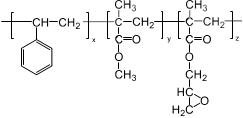
The unique chemical structure of Chain Extender 3700 allows it to react rapidly with terminal functional groups such as hydroxyl, carboxyl, and amino groups present in polymer chains. This reaction effectively links polymer chains together, resulting in significant improvements in melt viscosity, mechanical integrity, and overall durability. It is an essential component for industries focused on sustainability, as it enables the upcycling of lower-quality recycled polymers into high-performance materials.
Technical Specifications
| Parameter | Unit | Specification |
|---|---|---|
| Appearance | - | White powder or granular |
| Molecular Formula | - | (C21H28O5)n |
| Molecular Weight | g/mol | 6500-7200 |
| Epoxy Equivalent | g/mol | 280-310 |
| CAS Number | - | 1191261-43-4 |
Key Performance Benefits
Integrating Chain Extender 3700 into polymer formulations offers a multitude of technical advantages that directly translate to improved end-product quality. The epoxy-functionalized groups ensure quick and efficient reactions during extrusion, making it suitable for high-throughput manufacturing environments.
- Enhanced Molecular Weight: Effectively increases the molecular weight of degraded polymers, restoring their original physical properties.
- Improved Viscosity: Boosts melt viscosity, which is crucial for maintaining process stability during extrusion and molding.
- Superior Mechanical Strength: Increases tensile strength and elasticity modulus, resulting in more durable final products.
- Hydrolysis Resistance: Significantly improves resistance to hydrolytic degradation, extending the service life of materials exposed to moisture.
- Compatibility Enhancement: Improves the compatibility of condensation polymer alloys, ensuring uniform dispersion and performance.
Industrial Applications
This versatile chain extender is widely utilized across various sectors of the plastics and polymer industry. Its ability to function in both biodegradable and conventional thermoplastics makes it a flexible solution for diverse manufacturing needs.
In the realm of biodegradable materials, Chain Extender 3700 is extensively used in PLA, PBAT, PBS, and PHA formulations to counteract thermal degradation during processing. For conventional engineering plastics, it is a preferred choice for modifying PC, PBT, PET, and PA. Additionally, it plays a pivotal role in the recycling industry, where it helps upgrade the quality of post-consumer recycled polymers, allowing them to meet the stringent requirements of new applications.
Processing Guidelines
For optimal results, Chain Extender 3700 should be introduced during the blending extrusion process using either single or twin-screw extruders. The recommended dosage varies depending on the specific polymer matrix. For biodegradable polymers such as PLA, PPC, PBS, and PHAs, a dosage range of 0.2 to 1.5 phr is typically effective. For engineering plastics like PET, PBT, PA, and PC, a concentration of 0.2 to 2.0 percent by weight is advised. Proper dispersion is key to maximizing the chain extension effect.
Storage and Handling
To maintain product integrity, containers should be kept tightly closed and stored in a cool, dry environment. Protection from moisture is essential to prevent premature reaction of the epoxy groups. When handled according to standard industrial safety protocols, this material ensures safe and efficient integration into production lines.