Decabromodiphenylethane
- CAS No.84852-53-9
- GradeIndustrial / Pharmaceutical
- Availability● In Stock
High-efficiency environmentally friendly flame retardant with superior thermal stability for engineering plastics.
Request Bulk PricingProduct Technical Details
Product Overview
Decabromodiphenylethane represents a significant advancement in the field of brominated flame retardants. Designed as an environmentally friendly alternative to traditional diphenyl ether structures, this compound offers exceptional performance without compromising on safety or regulatory compliance. Our manufacturing process ensures high purity and consistent quality, making it the preferred choice for industries seeking reliable fire safety solutions in polymer matrices.
This specialty chemical is characterized by its high bromine content and robust molecular structure. It provides effective flame inhibition while maintaining the physical properties of the base polymer. The material is particularly valued for its ability to withstand high processing temperatures without degradation, ensuring smooth manufacturing operations across various plastic production lines.
Technical Specifications
| Parameter | Specification |
|---|---|
| Appearance | White or light yellow fine powder |
| Bromine Content | ≥ 81% |
| Whiteness | ≥ 88 |
| Heating Loss | ≤ 0.1% |
| 0.5% Thermal Weight Loss Temperature | ≥ 300℃ |
Industrial Applications
The versatility of Decabromodiphenylethane allows for broad-spectrum application across multiple polymer types. It is extensively used in styrenic polymers such as HIPS and ABS resin, where it delivers optimal flame retardancy without affecting impact strength. Additionally, it is compatible with engineering thermoplastics including polyamide and polyester systems.
- Thermoplastic polymers: PE, PP, ABS, PBT
- Elastomers: Silicone rubber, EPDM rubber
- Fibers: Polyester fiber, cotton fiber
- Other matrices: Epoxy resin, PVC, wire and cable coverings
Its primary role often involves replacing Decabromodiphenyl Ether (DecaBDE) in existing formulations. This drop-in capability simplifies the transition for manufacturers aiming to update their product lines to meet evolving environmental standards while maintaining performance benchmarks.
Performance Advantages
One of the standout features of this flame retardant is its excellent thermal stability. With a decomposition temperature exceeding 300 degrees Celsius, it remains stable during high-temperature extrusion and molding processes. This stability prevents the release of corrosive gases and ensures the longevity of processing equipment.
Furthermore, the compound exhibits strong UV resistance and low toxicity profiles. These characteristics make it suitable for applications where long-term exposure to light or strict safety regulations are concerns. The high whiteness value also ensures that it does not discolor light-colored final products, preserving aesthetic quality.
Storage and Handling
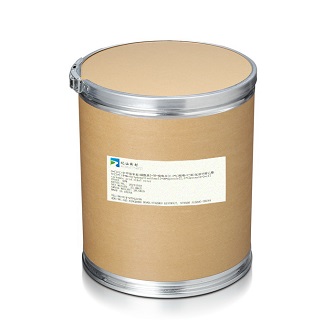
To maintain optimal quality, this product should be stored in a dry and ventilated warehouse. It is classified as non-dangerous goods, but standard industrial safety precautions apply. Containers must be kept sealed to avoid moisture absorption and protected from direct sunlight. Proper handling ensures the material retains its free-flowing properties and chemical integrity until use.