Decyl Maltose Neopentyl Glycol
- CAS No.1257852-99-5
- GradeIndustrial / Pharmaceutical
- Availability● In Stock
High-purity Decyl Maltose Neopentyl Glycol is a specialized nonionic surfactant designed for membrane protein stabilization and crystallization applications.
Request Bulk PricingProduct Technical Details
Product Overview
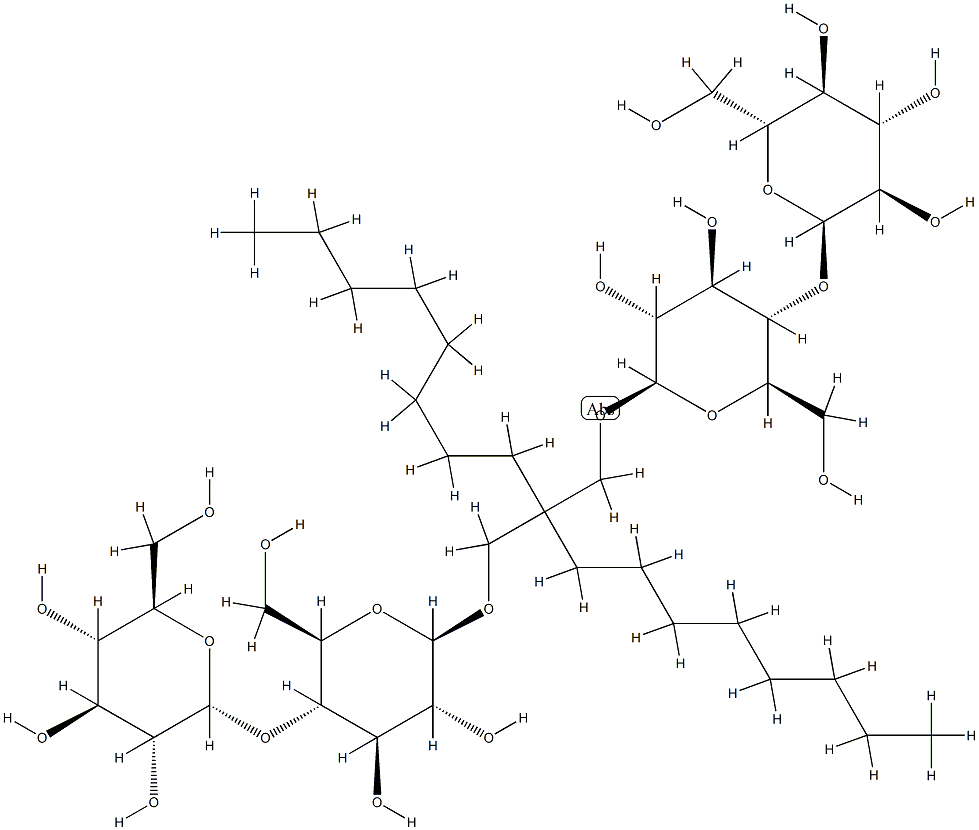
Decyl Maltose Neopentyl Glycol represents a class of advanced nonionic surfactants engineered for high-performance biochemical applications. This molecule features a unique architecture combining a hydrophilic maltose headgroup with a hydrophobic decyl chain, linked via a neopentyl glycol spacer. This specific structural configuration provides exceptional stability and solubility characteristics, making it an indispensable reagent for researchers working with complex biological systems.
Our manufacturing process ensures that each batch meets rigorous quality standards suitable for sensitive laboratory environments. The neopentyl glycol linker introduces steric hindrance that enhances the chemical stability of the glycosidic bond, reducing hydrolysis rates compared to traditional alkyl glycosides. This makes the product particularly valuable for long-term experiments and storage.
Key Specifications
| Parameter | Value |
|---|---|
| CAS Number | 1257852-99-5 |
| Molecular Formula | C43H80O22 |
| Formula Weight | 949.08 |
| Purity | ≥98% all anomers (by HPLC analysis) |
| Percent Anomer | ≤ 4% anomers other than 1,3-bis-β (HPLC) |
| CMC (H2O) | ~ 0.036mM (0.0034%) |
| Solubility | ≥ 20% (in water at 20°C) |
| pH | 5-8 (1% solution in water) |
| Conductance | < 100 μS (10% solution in water) |
| Storage Conditions | -20°C |
Industrial Applications
This specialized surfactant is primarily utilized in the field of structural biology and biochemistry. Its primary function involves the solubilization and stabilization of membrane proteins, which are notoriously difficult to handle due to their amphipathic nature. The mild nonionic character ensures that protein functionality is preserved during extraction and purification processes.
- Membrane protein crystallization trials.
- Stabilization of integral membrane proteins for spectroscopic analysis.
- Formation of mixed micelles for drug delivery research.
- Compatible with various downstream analytical techniques including NMR and X-ray crystallography.
Quality Assurance and Handling
Quality control is paramount in the production of biochemical reagents. Each lot undergoes comprehensive HPLC analysis to verify anomer purity and overall chemical integrity. The low absorbance values at 260 nm, 280 nm, and 340 nm indicate minimal contamination from nucleic acids or aromatic compounds, ensuring accurate spectrophotometric readings during your experiments.
Proper storage is critical to maintain product efficacy. We recommend storing the material at -20°C to prevent degradation and moisture uptake. When preparing solutions, ensure the use of high-purity water to maintain the specified conductance levels. Our team provides full documentation including Certificates of Analysis (COA) to support your regulatory compliance and research reproducibility.