Dioctadecyl Dimethyl Ammonium Chloride
- CAS No.107-64-2
- GradeIndustrial / Pharmaceutical
- Availability● In Stock
High-purity quaternary ammonium compound designed for superior fabric softening and asphalt emulsification applications with consistent active content.
Request Bulk PricingProduct Technical Details
Product Overview
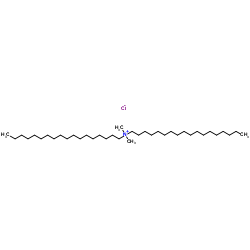
Dioctadecyl Dimethyl Ammonium Chloride, widely recognized in the industry as DODMAC, represents a premier class of quaternary ammonium compounds designed for high-performance industrial applications. As a cationic surfactant, this chemical entity exhibits exceptional substantivity to negatively charged surfaces, making it an indispensable component in modern textile care and infrastructure materials. Our manufacturing process ensures a high level of purity and consistent active matter content, catering to the rigorous demands of global formulators who require reliability in every batch. The molecular structure features two saturated C18 chains attached to a nitrogen center, conferring hydrophobic characteristics that align perfectly with lipid-based substrates.
This alignment is crucial for achieving the desired sensory effects in consumer goods. Our production facilities utilize advanced synthesis routes to minimize byproduct formation, resulting in a cleaner profile that simplifies downstream formulation challenges. Whether utilized as the primary active ingredient in fabric softeners or as a critical emulsifier in asphalt modification, this product delivers measurable performance improvements. We maintain strict quality control protocols to guarantee that each shipment meets international standards for chemical safety and efficacy.
Key Technical Features
- High active content formulation ensuring cost-effective usage rates in final products.
- Excellent thermal stability suitable for high-temperature processing environments.
- Superior substantivity to cellulose fibers for long-lasting softness and static control.
- Compatible with a wide range of anionic and nonionic surfactant systems.
- Low free amine content to minimize odor and potential skin irritation risks.
Industrial Applications
This specialty chemical finds extensive utility across multiple sectors. In the textile industry, it serves as the core active ingredient for rinse-added fabric softeners, providing consumers with a luxurious hand feel and reduced friction during ironing. In civil engineering, it acts as a powerful emulsifier for cationic asphalt emulsions, improving adhesion between aggregate and bitumen. Additionally, its antimicrobial properties allow for use in industrial sanitizers and hair care conditioning formulations where cationic deposition is required.
The versatility of this molecule makes it a valuable asset for research and development teams seeking robust functional additives. Furthermore, in the paper industry, it can be employed as a flotation agent or retention aid, enhancing the efficiency of fiber processing. The broad spectrum of utility ensures that procurement managers can consolidate sourcing for multiple functional needs through a single high-quality supplier. This flexibility supports innovation in product development while maintaining cost efficiency.
Quality Specifications
| Parameter | Specification |
|---|---|
| Appearance | White or light yellow solid or paste |
| Active Content | 75 ± 1% |
| Free Amine + Amine Hydrochloride | ≤ 2.0% |
| Ash Content | ≤ 0.2% |
| pH Value (1% Solution) | 6.0 - 9.0 |
| Conclusion | Passed |
Safety and Compliance
Our production adheres to strict environmental and safety regulations. This product is manufactured in facilities certified for quality management systems. While generally stable, users should consult the Safety Data Sheet (SDS) for detailed handling instructions. We provide comprehensive documentation including Certificates of Analysis for every batch to ensure traceability and compliance with regional chemical inventory lists. This commitment to transparency supports our partners in maintaining their own regulatory standards across global supply chains.
Storage and Handling
To maintain optimal chemical integrity, store this material in a cool, dry, and well-ventilated area away from direct sunlight and heat sources. Containers should remain tightly sealed when not in use to prevent moisture absorption, which could affect physical consistency. Keep away from strong oxidizing agents to avoid incompatible reactions. Personnel handling this product should utilize appropriate personal protective equipment, including gloves and safety goggles, adhering to standard industrial hygiene practices. Proper labeling and segregation from incompatible materials are essential for warehouse safety compliance.