Etidronic Acid
- CAS No.2809-21-4
- GradeIndustrial / Pharmaceutical
- Availability● In Stock
High-purity Etidronic Acid (HEDP) designed for industrial water treatment, offering superior scale and corrosion inhibition performance.
Request Bulk PricingProduct Technical Details
Product Overview
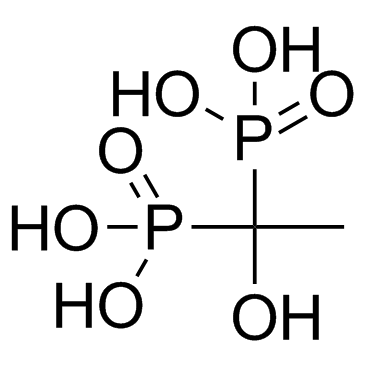
Etidronic Acid, widely recognized in the industry as HEDP, stands as a premier organophosphonic acid utilized extensively across modern industrial water management and surface treatment sectors. This sophisticated chemical compound exhibits exceptional chelating properties, allowing it to form stable complexes with various metal ions such as iron, copper, and zinc. Its unique molecular structure enables it to dissolve oxidized materials on metal surfaces effectively, providing robust protection against degradation and scaling.
Unlike traditional inhibitors, Etidronic Acid maintains remarkable chemical stability even under harsh operating conditions. It demonstrates excellent performance at temperatures up to 250 degrees Celsius and remains stable under high pH values. Furthermore, it resists hydrolysis and decomposition under ordinary light and heat conditions, ensuring long-term reliability in demanding industrial environments. Its tolerance to acid, alkali, and chlorine oxidation surpasses many other organophosphoric acids, making it a preferred choice for critical applications.
Key Performance Features
- Superior chelating capability with metal ions to form stable hexa-element complexes.
- Excellent scale and corrosion inhibition effects under high-temperature conditions.
- High chemical stability with resistance to hydrolysis and thermal decomposition.
- Enhanced tolerance to acid, alkali, and chlorine oxidation compared to competitors.
- Visible threshold effects when interacting with calcium ions in water systems.
- Synergistic performance when combined with polycarboxylic acids and other treatment chemicals.
Technical Specifications
| Parameter | Specification |
|---|---|
| Appearance | White crystal powder |
| Active Content (HEDP) | 90.0% min |
| Active Content (HEDP.H2O) | 98.0% min |
| Phosphorous Acid (as PO3) | 0.8% max |
| Phosphoric Acid (as PO4) | 0.5% max |
| Chloride (as Cl) | 0.01% max |
| pH (1% Water Solution) | 2.0 max |
| Iron (Fe) | 10.0 mg/L max |
| Molecular Formula | C2H8O7P2 |
| Molecular Weight | 206.028 |
Industrial Applications
The versatility of Etidronic Acid makes it indispensable in multiple industries. In the power generation, chemical, metallurgy, and fertilizer sectors, it serves as a primary scale and corrosion inhibitor for circulating cooling water systems, oil fields, and low-pressure boilers. Its solid crystal powder form is particularly suitable for usage in winter and freezing districts where liquid formulations might pose challenges.
In the light woven industry, this compound functions as an effective detergent for both metal and non-metal surfaces. The dyeing industry utilizes it as a peroxide stabilizer and dye-fixing agent, ensuring color fastness and process stability. Additionally, in non-cyanide electroplating processes, it acts as a crucial chelating agent. Due to its high purity, it is also approved for use as a cleaning agent in electronic fields and as an additive in daily chemical products.
Usage Guidelines and Storage
For optimal results, the recommended dosage varies based on the specific application. As a scale inhibitor, a concentration of 1-10 mg/L is preferred. For corrosion inhibition, 10-50 mg/L is typically effective, while detergent applications may require 1000-2000 mg/L. It is commonly used in conjunction with polycarboxylic acids to maximize synergistic effects.
Proper storage is essential to maintain product integrity. The solid form should be packaged in 25kg bags or according to customer requirements, while liquid forms are available in 200L plastic drums or IBCs. Store in a room shady and dry place for up to twelve months. Safety precautions include avoiding contact with eyes and skin due to acidity. In case of contact, flush immediately with water. This product is stable but incompatible with strong oxidizing agents.