Halothane
- CAS No.151-67-7
- GradeIndustrial / Pharmaceutical
- Availability● In Stock
High-purity Halothane (CAS 151-67-7) is a volatile fluorinated anesthetic agent available for pharmaceutical research and industrial synthesis applications.
Request Bulk PricingProduct Technical Details
Product Overview
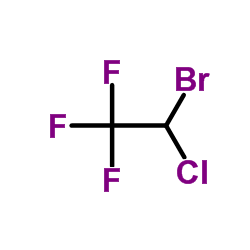
Halothane, chemically known as 2-Bromo-2-chloro-1,1,1-trifluoroethane, represents a significant compound in the realm of fluorinated pharmaceutical chemicals. With the CAS registry number 151-67-7, this substance is recognized for its unique volatility and specific chemical properties derived from its trifluoroethyl structure. Our manufacturing facility specializes in the production of high-quality fluorochemicals, ensuring that every batch of Halothane meets rigorous international standards for purity and consistency. This product is primarily supplied for legitimate pharmaceutical research, reference standard development, and specialized industrial synthesis where fluorinated intermediates are required.
As a leading provider in the fluorochemical sector, we understand the critical need for precision in chemical composition. Halothane serves as a key example of advanced organic synthesis capabilities, combining bromine, chlorine, and fluorine atoms into a stable ethane backbone. Our commitment to quality ensures that researchers and industrial partners receive materials that perform reliably in controlled environments.
Technical Specifications
The following table outlines the critical physical and chemical properties of our Halothane supply. These parameters are verified through advanced analytical methods to guarantee compliance with specified requirements.
| Parameter | Value |
|---|---|
| CAS Number | 151-67-7 |
| Molecular Formula | C2HBrClF3 |
| Molecular Weight | 197.38 g/mol |
| Density | 1.872 g/mL at 25 °C |
| Boiling Point | 50.2 °C |
| Flash Point | 49-50 °C |
| Refractive Index | n20/D 1.369 |
| Storage Temperature | 2-8 °C |
Industrial Applications
Halothane is utilized across various specialized sectors due to its distinct chemical reactivity and physical state. In the pharmaceutical industry, it is often employed as a reference standard for analytical method validation or as a starting material for the synthesis of more complex fluorinated derivatives. Its volatility makes it suitable for specific extraction processes where low-boiling solvents are required.
Furthermore, our fluorochemical platform supports the development of new materials and pesticides where halogenated ethanes serve as crucial building blocks. Researchers leveraging this compound benefit from its well-documented properties, allowing for precise replication of historical data or the exploration of novel chemical pathways. We support clients in formulation research, providing the necessary documentation and quality certificates to facilitate smooth regulatory compliance.
Quality Assurance and Manufacturing
Our company is dedicated to establishing a complete fluorochemical products and technology platform. We provide customers with convenient one-stop services ranging from raw material procurement to final quality control. The production of Halothane involves strict monitoring of fluorination technology to minimize impurities and ensure batch-to-batch consistency. Our industrial chain covers synthesis, storage, and application testing, ensuring that the final product delivered to your facility is of the highest integrity.
We strive to build a complete industrial chain from fluorine-containing raw material procurement to product application. This vertical integration allows us to maintain competitive pricing while upholding superior quality standards. Every shipment is accompanied by a Certificate of Analysis (COA), confirming that the material meets the specified technical parameters.
Storage and Handling
Proper storage is essential to maintain the stability of Halothane. The product should be kept in a cool, well-ventilated area away from direct sunlight and heat sources. The recommended storage condition is between 2-8 °C to prevent degradation or excessive vapor pressure buildup. Containers must be tightly sealed when not in use to prevent evaporation and contamination. Handling should always be conducted in accordance with standard safety protocols for volatile halogenated compounds, including the use of appropriate personal protective equipment.