Isobutyltrimethoxysilane
- CAS No.18395-30-7
- GradeIndustrial / Pharmaceutical
- Availability● In Stock
High-purity Isobutyltrimethoxysilane designed for superior concrete waterproofing formulations. Available in bulk with competitive pricing and full technical support.
Request Bulk PricingProduct Technical Details
Product Overview
Isobutyltrimethoxysilane is a premium organosilicon compound widely recognized for its exceptional hydrophobic properties and effectiveness in protecting mineral substrates. As a key ingredient in the construction and infrastructure sectors, this silane coupling agent penetrates deeply into porous materials such as concrete and masonry. Upon reaction with surface hydroxyl groups, it forms a durable water-repellent barrier that significantly reduces water absorption while maintaining substrate breathability. This chemical stability ensures long-term protection against environmental degradation, making it an essential component for modern waterproofing systems.
Our manufacturing process adheres to strict quality control standards to ensure high purity and consistent performance across batches. The product is designed to serve as a reliable alternative to major international brands, offering formulators a cost-effective solution without compromising on technical specifications. Whether used in standalone treatments or as part of a complex formulation, this silane delivers superior adhesion and moisture resistance.
Technical Specifications
We maintain rigorous testing protocols to guarantee that every shipment meets the declared parameters. The following table outlines the standard physical and chemical properties associated with this grade.
| Parameter | Specification |
|---|---|
| CAS Number | 18395-30-7 |
| Appearance | Colorless transparent liquid |
| Purity Content | 97% minimum |
| Chemical Family | Alkylalkoxysilane |
| Hazard Class | Class 3 Flammable Liquid |
Industrial Applications
The primary application of Isobutyltrimethoxysilane lies in the formulation of surface waterproofing agents for concrete and reinforced concrete structures. It is particularly effective in protecting infrastructure from chloride ion ingress, freeze-thaw damage, and carbonation. By reducing the surface energy of the substrate, it prevents waterborne contaminants from penetrating the matrix, thereby extending the service life of bridges, tunnels, and buildings.
- Provides deep penetration into mineral substrates for lasting protection.
- Maintains vapor permeability to prevent trapped moisture issues.
- Compatible with various solvent systems for flexible formulation design.
- Enhances resistance against harsh weathering and chemical exposure.
For optimal performance, this product is typically diluted to create working solutions. Formulators commonly utilize carriers such as ethanol, aliphatic hydrocarbons, chlorinated solvents, or low molecular weight cyclomethicones. Standard working concentrations range between 20% and 40%, depending on the desired penetration depth and evaporation rate. The choice of solvent allows for adjustment of drying times to suit specific application conditions. Care should be taken to select solvents that do not discolor the treated surface, ensuring aesthetic integrity alongside functional performance.
Handling and Storage
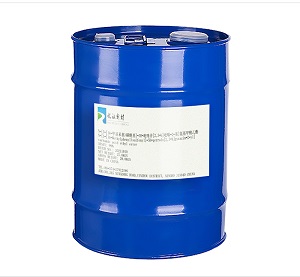
Safety and stability are paramount when handling organosilicon compounds. This material is classified as a Dangerous Good Class 3 flammable liquid and must be managed according to relevant safety regulations. Standard packaging consists of 180kg iron drums designed to prevent leakage and contamination during transit.
To preserve chemical integrity, inventory should be stored in original unopened containers within a cool, dry environment. The recommended storage temperature is 25 degrees Celsius or below. Under these conditions, the product retains its specified properties for up to one year from the date of production. If storage extends beyond this period, quality verification testing is required before use to ensure compliance with performance standards. Always consult the safety data sheet for detailed handling instructions and personal protective equipment requirements.