Octadecyltrimethylammonium Chloride
- CAS No.112-03-8
- GradeIndustrial / Pharmaceutical
- Availability● In Stock
High-purity Octadecyltrimethylammonium Chloride (1831) serving as a versatile cationic surfactant for asphalt emulsification, textile antistatic treatment, and personal care formulations.
Request Bulk PricingProduct Technical Details
Product Overview
Octadecyltrimethylammonium Chloride, frequently identified in the industry as 1831, represents a high-efficiency cationic surfactant derived from quaternary ammonium chemistry. This compound is characterized by its long-chain alkyl structure which imparts significant surface activity, making it indispensable across diverse industrial sectors. Our manufacturing process ensures consistent quality with active content options tailored to specific client requirements, typically available at 65% or 70% concentrations. The material presents as a waxy solid ranging from white to pale yellow hues, demonstrating excellent solubility in alcohol and hot water mediums.
Technical Specifications
| Parameter | Specification |
|---|---|
| CAS Number | 112-03-8 |
| Active Content | 65%, 70% |
| PH Value | 6.0-8.0 |
| Appearance | White to slightly yellow waxy substance |
| Solubility | Soluble in alcohol and hot water |
| Hazard Class | 6.1 |
Industrial Applications
The versatility of this quaternary ammonium salt allows for broad application in both heavy industry and consumer goods. In the construction and infrastructure sector, it functions as a superior emulsifier for synthetic rubber, silicone oil, and asphalt formulations. Specifically, it is critical in producing neoprene latex asphalt waterproof coatings where stability and dispersion are paramount. The textile industry utilizes this compound as an effective antistatic agent for synthetic fibers and as a softening agent for glass fibers, enhancing material handling and end-user comfort.
In personal care and hygiene formulations, Octadecyltrimethylammonium Chloride serves as a primary conditioning agent in hair care products, providing softness and manageability. Furthermore, its inherent bactericidal and disinfectant properties make it a valuable component in industrial sanitizers and antimicrobial treatments. The chemical exhibits strong compatibility with cationic and nonionic surfactants or dyes, though it should not be mixed with anionic surfactants, dyes, or auxiliaries to prevent precipitation or loss of efficacy.
Safety and Storage
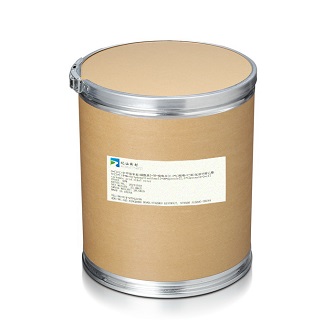
Proper handling procedures are essential due to the product's classification under Hazard Class 6.1. Personnel should utilize appropriate personal protective equipment during transfer and processing. Storage requirements mandate a dry and ventilated warehouse environment away from direct sunlight and sources of ignition. The material must be kept sealed to avoid moisture absorption and contamination. We recommend maintaining inventory in a cool, stable environment to preserve the integrity of the waxy substance over extended periods. Our facility adheres to strict quality control protocols, ensuring every batch meets international safety and performance standards before shipment.