Photoinitiator 907
- CAS No.94576-68-8
- GradeIndustrial / Pharmaceutical
- Availability● In Stock
High-purity sulfur-free photoinitiator designed for UV curing systems. Offers superior yellowing resistance and low odor compared to traditional alternatives.
Request Bulk PricingProduct Technical Details
Product Overview
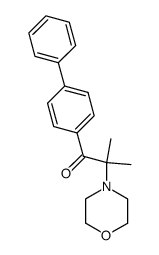
Photoinitiator 907 represents a significant advancement in ultraviolet curing technology, specifically engineered to address the limitations of traditional sulfur-containing initiators. This specialized chemical compound, identified by CAS number 94576-68-8, serves as a critical component in modern radiation-curable formulations. Unlike conventional options, this variant features a unique molecular structure that eliminates sulfur content, thereby resolving common issues related to unpleasant odors and residual smells often associated with older generations of photoinitiators.
Our manufacturing process ensures exceptional purity levels, making this product an ideal choice for sensitive applications where quality and performance are paramount. The compound functions by absorbing UV light and generating free radicals, which initiate the polymerization process in resins and oligomers. This mechanism allows for rapid curing times, enhanced production efficiency, and superior final product properties across various industrial sectors.
Key Performance Advantages
Switching to this advanced photoinitiator offers multiple technical and operational benefits for formulators and manufacturers. The absence of sulfur in the molecular backbone is the primary differentiator, leading to a cleaner curing process without the characteristic medicinal or pungent odors found in standard alternatives. This feature is particularly valuable in enclosed environments or consumer-facing products where scent profile matters.
- Superior Yellowing Resistance: Demonstrates remarkably lower tendency to yellow over time compared to traditional Type 907 initiators, making it suitable for clear coats and white systems.
- Low VOC Emissions: Complies with stringent environmental regulations regarding volatile organic compound releases, supporting sustainable manufacturing practices.
- Enhanced Compatibility: Integrates seamlessly into varnish systems and can be used as a standalone initiator without requiring complex blending strategies.
- High Reactivity: Ensures fast cure speeds even in thick film applications, improving throughput in high-speed printing and coating lines.
Technical Specifications
Quality control is maintained through rigorous testing protocols to ensure every batch meets international standards. The following table outlines the key physical and chemical parameters guaranteed for this product.
| Test Parameter | Unit | Specification |
|---|---|---|
| Appearance | Visual | Yellow to Whitish Powder |
| Melting Point | Celsius | 118.00-122.00 |
| Volatiles | Percent | 0.50 Max |
| Assay (Purity) | Percent | 99.00 Min |
Industrial Applications
This photoinitiator is extensively used in high-end UV curing applications where performance and environmental compliance are strictly controlled. It is particularly effective in the formulation of UV inks for packaging and publication printing, where odor and yellowing are critical quality metrics. Additionally, it serves as a key ingredient in wood coatings, plastic coatings, and electronic protective layers. The ability to replace traditional initiators without reformulating the entire system makes it a cost-effective drop-in solution for manufacturers seeking to upgrade product quality.
Storage and Handling
To maintain optimal stability and performance, the product should be stored in a cool, dry, and well-ventilated area. Containers must remain tightly closed when not in use to prevent moisture absorption and contamination. Standard industrial safety precautions apply during handling, including the use of appropriate personal protective equipment. We offer flexible packaging options, including 25kg drums, with custom configurations available upon request to suit specific logistical requirements.