Photoinitiator ITX
- CAS No.5495-84-1
- GradeIndustrial / Pharmaceutical
- Availability● In Stock
Photoinitiator ITX (CAS 5495-84-1) is a high-efficiency thioxanthone-based photoinitiator widely used in UV-curable inks, coatings, adhesives, and photoresists.
Request Bulk PricingProduct Technical Details
Product Overview
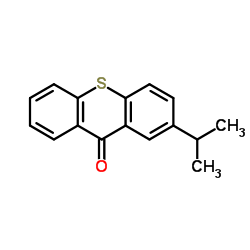
Photoinitiator ITX, chemically known as 2-Isopropylthioxanthone (CAS No. 5495-84-1), is a specialized thioxanthone derivative engineered for high-performance ultraviolet (UV) curing applications. This light yellow crystalline powder exhibits excellent absorption characteristics in the near-UV range, making it particularly effective in pigmented and colored formulations where deep cure penetration is critical. As a Type II photoinitiator, ITX functions optimally when paired with co-initiators such as tertiary amines or synergists like EDB or 907, enabling rapid polymerization under UV exposure.
Specifications
| Molecular Formula | C₁₆H₁₄OS |
|---|---|
| Molecular Weight | 254.35 g/mol |
| Melting Point | 71.0–76.0 °C |
| Density | 1.199 g/cm³ |
| Boiling Point | 398.9 °C at 760 mmHg |
| Flash Point | 210 °C |
| Refractive Index | 1.638 |
| Assay | ≥99.0% |
| Loss on Drying | ≤0.20% |
| Ash Content | ≤0.10% |
Industrial Applications
Photoinitiator ITX is extensively utilized across multiple advanced manufacturing sectors due to its superior reactivity and compatibility with complex resin systems. Key applications include:
- UV-curable screen printing, flexographic, and lithographic inks—especially in colored or opaque formulations
- Clear and pigmented overprint varnishes requiring surface and through-cure balance
- Electronics-grade photoresists and conformal coatings
- Industrial adhesives and pressure-sensitive bonding systems
- Wood, plastic, and metal coatings demanding high gloss and chemical resistance
The recommended dosage typically ranges from 0.2% to 2.0% by weight, depending on film thickness, pigment load, and UV source intensity. For optimal performance, ITX is often combined with amine synergists to enhance radical generation efficiency and reduce oxygen inhibition.
Handling and Storage
Store in a cool, dry, and well-ventilated area. Keep container tightly closed to prevent moisture absorption and contamination. Classified under UN3265 (Corrosive Liquid, Acidic, Organic, N.O.S.), Packing Group II, Hazard Class 8, appropriate safety protocols must be followed during transport and handling.