Photoinitiator TPO
- CAS No.75980-60-8
- GradeIndustrial / Pharmaceutical
- Availability● In Stock
High-efficiency Type I photoinitiator for UV curing systems, ensuring low yellowing and deep cure in white coatings and inks.
Request Bulk PricingProduct Technical Details
Product Overview
Photoinitiator TPO represents a cornerstone advancement in ultraviolet curing technology, specifically designed for demanding industrial applications requiring superior performance. As a highly efficient Type I free radical photoinitiator, this compound operates through a cleavage mechanism that generates reactive radicals upon exposure to UV light. This process initiates the polymerization of unsaturated resins, leading to rapid curing and cross-linking within coatings, inks, and adhesive formulations. The chemical structure, based on phosphine oxide derivatives, provides exceptional stability and reactivity compared to traditional benzophenone-based initiators.
Technical Mechanism
One of the most significant advantages of this photoinitiator is its absorption spectrum, which is located in the long-wavelength region. This characteristic allows for deeper penetration of UV light, making it uniquely suitable for curing thick film layers and pigmented systems. Specifically, it performs exceptionally well in white systems containing titanium dioxide, where other initiators often fail due to shielding effects. The resulting cured films exhibit minimal yellowing, ensuring that white coatings and clear finishes maintain their aesthetic integrity over time. This low yellowing property is critical for high-end decorative coatings and printing applications where color stability is paramount. Moreover, the radical generation efficiency ensures rapid surface cure while maintaining through-cure properties, balancing speed and depth effectively.
Industrial Applications
In terms of industrial applications, Photoinitiator TPO is versatile and widely adopted across multiple sectors. It is extensively used in the formulation of screen printing inks, lithographic printing inks, and flexographic inks, providing fast cure speeds that enhance production efficiency. Additionally, it is a preferred choice for wood coatings, where durability and appearance are essential. The compound is also compatible with UV-curable adhesives and optical fiber coatings, demonstrating its adaptability to specialized technical requirements. Its ability to cure unsaturated styrene polyester and acrylic resin systems makes it a fundamental component in modern UV curing formulations. Furthermore, it serves as a reliable option for plastic coatings and metal decorations, expanding its utility in diverse manufacturing environments.
Specifications And Quality
Quality assurance is a priority in the manufacturing process of this chemical. Each batch undergoes rigorous testing to ensure compliance with strict purity standards. The content is guaranteed to be greater than or equal to ninety-nine percent, ensuring consistent performance in downstream formulations. Volatile matter is controlled to minimal levels, reducing the risk of odor or voids in the cured material. Acidity values are maintained within tight specifications to prevent corrosion or stability issues in the final product. Customers receive comprehensive documentation, including Certificates of Analysis, to verify quality parameters upon delivery.
| Parameter | Specification |
|---|---|
| Appearance | Light yellow powder |
| Content | ≥99% |
| Melting Point | 91-94°C |
| Volatile Matter | ≤ 0.2% |
| Acidity Value | ≤ 0.5mgKOH/g |
Storage And Handling
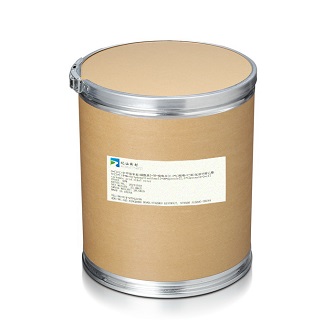
Proper storage and handling are essential to maintain the efficacy of Photoinitiator TPO. The product should be stored in a dry and ventilated warehouse, protected from direct sunlight and moisture. Sealed containers are recommended to prevent contamination and degradation. Safety protocols dictate keeping the material away from fire sources and incompatible substances. Packaging is typically available in twenty-five kilogram cartons or paper drums, facilitating easy handling and logistics for global shipments. By adhering to these storage conditions, manufacturers can ensure the longevity and reliability of the photoinitiator throughout its shelf life.