tert-Dodecyl Mercaptan
- CAS No.25103-58-6
- GradeIndustrial / Pharmaceutical
- Availability● In Stock
High-purity tert-Dodecyl Mercaptan serves as an efficient polymerization regulator for synthetic rubber and resin production. Ideal for SBR, ABS, and PVC stabilization with consistent quality.
Request Bulk PricingProduct Technical Details
Product Overview
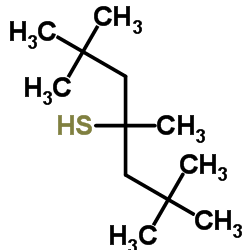
tert-Dodecyl Mercaptan, also known commercially as tert-Lauryl Mercaptan or TDM, is a premier organic sulfur compound widely utilized in the petrochemical and polymer industries. As a highly effective chain transfer agent, it plays a critical role in controlling molecular weight distribution during emulsion polymerization processes. Our manufacturing facility ensures that every batch meets rigorous factory standards, delivering superior consistency for industrial applications ranging from synthetic rubber production to advanced organic synthesis.
This specialty chemical is characterized by its high reactivity and stability, making it an indispensable component for manufacturers seeking to optimize polymer properties. By reducing the degree of branching in polymer chains, it ensures uniform molecular weight distribution, which directly enhances the physical performance and processability of the final polymer products.
Key Features and Advantages
Our supply of tert-Dodecyl Mercaptan is engineered to meet the demanding requirements of global chemical manufacturers. We prioritize purity and safety to ensure seamless integration into your production lines.
- High Purity Grade: Guaranteed minimum purity of 98.5% to ensure consistent reaction kinetics.
- Effective Regulation: Superior chain transfer constant for precise control over polymer molecular weight.
- Versatile Application: Suitable for SBR, ABS, PVC, polyethylene, and polypropylene production.
- Quality Assurance: Each shipment is accompanied by a comprehensive Certificate of Analysis (COA).
- Global Logistics: Secure packaging and reliable shipping methods for hazardous chemical transport.
Technical Specifications
The following table outlines the typical physical and chemical properties of our industrial-grade tert-Dodecyl Mercaptan. All parameters are tested using standardized analytical methods to ensure compliance with international quality norms.
| Items of Analysis | Standard of Analysis | Test Results |
|---|---|---|
| Appearance | Clear with no particulate matter | Conform |
| Color | ≤15 | 6 |
| Specific Gravity 60/60 | 0.855-0.870 | 0.8590 |
| Mercaptan Sulfur | 15.6-16.0% | 15.6% |
| Calculated Mercaptan Purity | ≥98.5% | 98.5% |
| Distillation-IBP | ≥227℃ | 235℃ |
| Distillation-95% | ≤251℃ | 248℃ |
| t-Dodecyl Mercaptan Content | - | 99.7% |
| Conclusion | Conforms to Factory Standard | |
Industrial Applications
The primary application of tert-Dodecyl Mercaptan lies in its function as a molecular weight regulator in the polymerization of synthetic rubbers and resins. It is extensively used in the manufacture of Styrene Butadiene Rubber (SBR) and ABS resin produced via emulsion polymerization. Beyond polymerization, it serves as a vital intermediate in the synthesis of various agrochemicals, including fungicides and insecticides, as well as pharmaceutical intermediates.
Additionally, this compound acts as a stabilizer and antioxidant in the production of polyvinyl chloride (PVC), polyethylene, and polypropylene, enhancing the longevity and thermal stability of these materials. In the ceramic industry, it is utilized as a specialized additive, sometimes referred to as gold water, and serves as an oil well acidifier. Its versatility extends to the formulation of non-ionic surfactants and lubricant additives, making it a valuable asset across multiple chemical sectors.
Storage and Handling
To maintain product integrity and ensure safety, tert-Dodecyl Mercaptan must be stored in a cool, dry, and dark location. Containers should remain tightly sealed to prevent oxidation and moisture ingress. It is crucial to keep this material away from incompatible substances, ignition sources, and unauthorized personnel. All storage areas must be properly secured and labeled according to hazardous material regulations. Protect containers from physical damage to prevent leaks, and always adhere to local safety guidelines when handling sulfur-containing organic compounds.