Triethyl Phosphate
- CAS No.78-40-0
- GradeIndustrial / Pharmaceutical
- Availability● In Stock
High purity Triethyl Phosphate serving as a versatile solvent, plasticizer, and catalyst for industrial applications.
Request Bulk PricingProduct Technical Details
Product Overview
Triethyl Phosphate, commonly abbreviated as TEP, is a high-performance organophosphate compound recognized for its exceptional stability and versatility in industrial chemistry. With the CAS registry number 78-40-0, this colorless and transparent liquid serves as a critical component across multiple sectors including polymer manufacturing, agricultural chemistry, and synthetic organic processes. Our facility produces this chemical to stringent purity standards, ensuring consistent performance for demanding applications.
As a leading manufacturer, we understand the importance of reliability in supply chain operations. Triethyl Phosphate is engineered to function effectively as a high boiling point solvent, a robust plasticizer for rubber and plastics, and a potent catalyst in various synthesis reactions. Its chemical structure allows for excellent solvency power while maintaining low volatility, making it an ideal choice for processes requiring thermal stability.
Key Specifications
| Parameter | Specification |
|---|---|
| CAS Number | 78-40-0 |
| Appearance | Colorless and transparent liquid |
| Purity Content | ≥99.5% |
| Acid Value | ≤0.05 mgKOH/g |
| Chroma (APHA) | ≤200 |
| Moisture Content | ≤0.2% |
| Hazard Class | Class 8 |
Industrial Applications
The utility of Triethyl Phosphate extends across a broad spectrum of industrial uses. In the realm of catalysis, it acts as a vital auxiliary in xylene isomerization and olefin polymerization processes. It is also employed in the manufacture of tetraethyl lead and carbodiimides, serving as a key agent in facilitating complex chemical transformations. When used in the polymerization of terephthalic acid and ethylene glycol, it effectively prevents fiber discoloration, ensuring high-quality textile outputs.
In solvent applications, this compound demonstrates superior capabilities in dissolving cellulose nitrate and cellulose acetate. It is frequently utilized to maintain the efficacy of organic peroxide catalysts and serves as a dispersing agent for fluorinated ethylene. Furthermore, it acts as a curing catalyst solvent for polyester and epoxy resins, enhancing the structural integrity of composite materials.
As a stabilizer and additive, Triethyl Phosphate provides essential protection for chlorine-based insecticides and phenolic resins. It functions as a softener for vinyl chloride and a plasticizer for vinyl acetate polymers, contributing to the flexibility and durability of final plastic products. Its role as a non-reactive flame retardant is particularly valued in coatings and synthetic resin formulations where safety compliance is paramount.
Storage and Handling
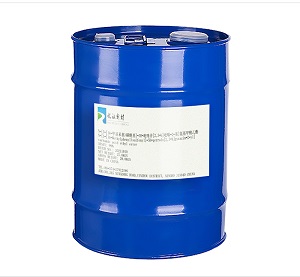
Proper storage is essential to maintain the quality and safety of Triethyl Phosphate. The product should be kept in a dry and well-ventilated warehouse environment, strictly away from direct sunlight and sources of ignition. Containers must remain sealed to prevent moisture absorption, which could affect the acid value and overall purity. We recommend packaging in 200 to 220 kilogram galvanized iron drums for optimal protection during transit and storage. Always adhere to local safety regulations regarding Class 8 corrosive materials when handling this substance.