Vinyltris(2-methoxyethoxy)silane
- CAS No.1067-53-4
- GradeIndustrial / Pharmaceutical
- Availability● In Stock
High-purity silane coupling agent designed to enhance adhesion and mechanical properties in polymer composites and coatings.
Request Bulk PricingProduct Technical Details
Product Overview
Vinyltris(2-methoxyethoxy)silane is a high-performance organosilicon compound specifically engineered to serve as a versatile coupling agent and surface modifier in advanced material science. This colorless transparent liquid functions as a critical bridge between inorganic substrates and organic polymers, significantly improving interfacial adhesion and overall composite integrity. Designed for industrial scalability, it offers superior hydrolytic stability and reactivity compared to traditional ethoxy variants, making it an ideal choice for demanding manufacturing environments.
Technical Specifications
| Parameter | Specification |
|---|---|
| CAS Number | 1067-53-4 |
| Appearance | Colorless transparent liquid |
| Purity Content | 99 percent minimum |
| Chemical Family | Vinyl Functional Silane |
| Reactivity | Hydrolyzable Alkoxy Groups |
Key Industrial Applications
This specialized silane exhibits exceptional versatility across multiple sectors, particularly where moisture resistance and mechanical durability are paramount. In polymer compounding, it effectively enhances the electrical properties and mechanical strength of inorganic filler-filled EPDM and cross-linked polyethylene systems. Its performance is notably superior in wet state conditions, ensuring long-term reliability for cables and insulation materials.
For composite manufacturing, the product reduces the hygroscopicity of cross-linked polyester molding compounds. When applied to glass fiber treatments, it improves the adhesion between fiber monofilaments and polyester resins, optimizing the sizing agent performance during the drawing process. Additionally, it serves as a cost-effective adhesion promoter for printing inks, glues, and coatings on challenging substrates such as glass, ceramics, and metals.
Performance Benefits
- Enhances wet state electrical properties and mechanical strength in filled polymers.
- Improves adhesion of silicone rubber on polyester or glass surfaces for high-temperature applications.
- Facilitates copolymerization with monomers in emulsion or coating polymer systems.
- Hydrophobizes fillers to improve compatibility and dispersibility within polymer matrices.
- Reduces melt viscosity during processing while providing cross-linking points for organic polymers.
- Offers a lower cost alternative to ceramic melting processes for surface treatment.
Packaging and Storage
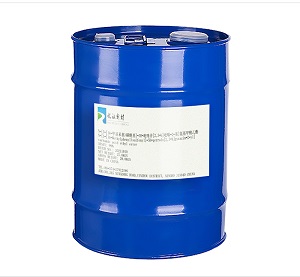
To ensure product integrity and safety, standard packaging includes 200Kg iron drums or 1000Kg IBC containers. Storage requirements dictate keeping the material in the original unopened container at temperatures of 25 degrees Celsius or below. The shelf life is established at six months from the production date. Expired products may only be utilized after passing rigorous quality control testing to confirm specification compliance.