
Anionic Polyacrylamide: A High-Performance Flocculant for Water Treatment and Industrial Processes
Discover the power of Anionic Polyacrylamide (APAM), a versatile and high-performance polymer flocculant. Essential for effective water treatment and various industrial applications, APAM plays a crucial role in clarifying water, dewatering sludge, and optimizing processes across numerous sectors. Explore its capabilities and how it can benefit your operations.
Get a Quote & SampleUnlock Superior Water Treatment with Anionic Polyacrylamide
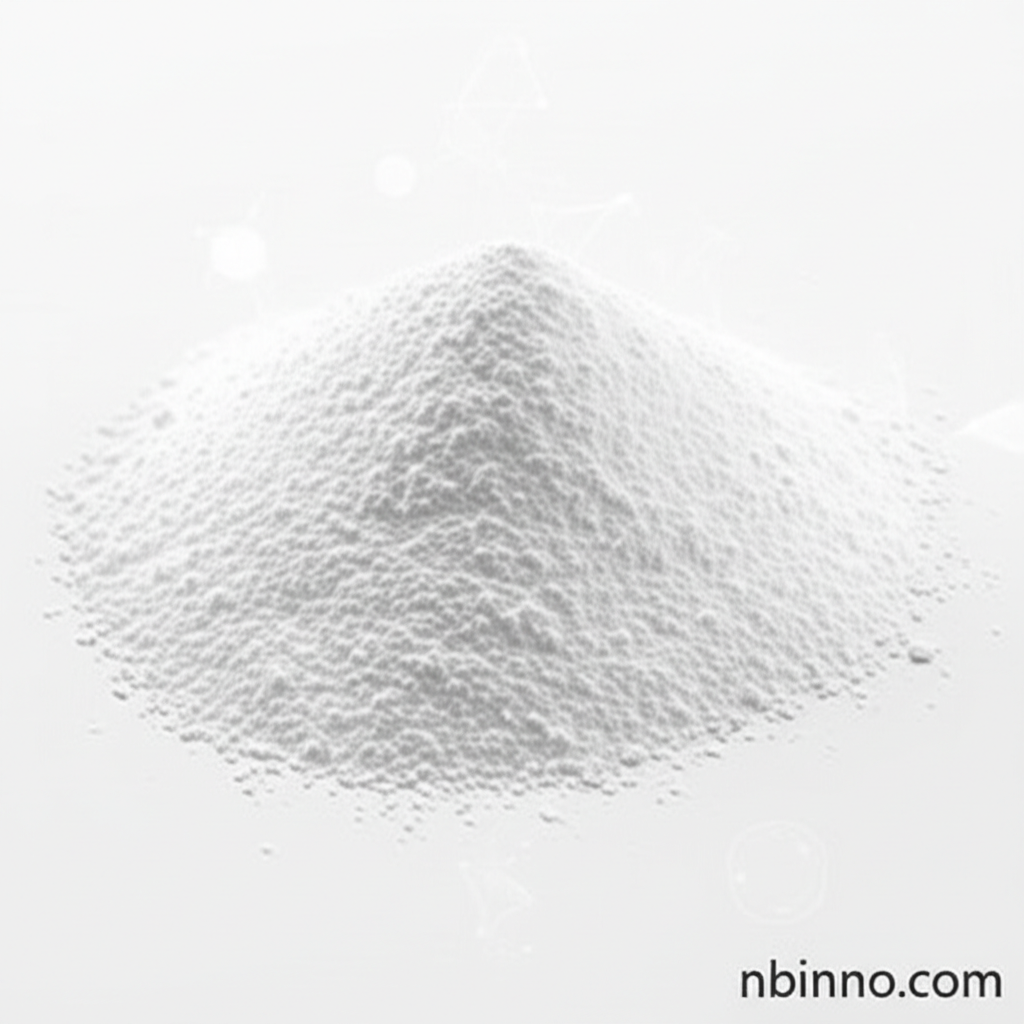
Anionic Polyacrylamide (APAM)
As a leading supplier of Anionic Polyacrylamide in China, we offer a high-quality product renowned for its exceptional flocculation and sedimentation properties. Our APAM is designed to meet the rigorous demands of industrial wastewater treatment, mineral processing, papermaking, and oilfield applications. We provide reliable solutions with competitive pricing to help our clients achieve optimal results.
- Efficient Flocculation for Water Treatment: Our Anionic Polyacrylamide is engineered to effectively aggregate suspended particles, significantly improving water clarity and quality for various wastewater treatment needs.
- High-Performance Sludge Dewatering: Experience enhanced sludge dewatering with our APAM, enabling faster processing and reduced waste volume, crucial for optimizing operational costs.
- Versatile Industrial Applications: From mineral processing to papermaking, our product is a key component in improving process efficiency and product quality, making us a trusted manufacturer.
- Reliable Supply & Competitive Pricing: As a dedicated supplier, we ensure a stable supply chain and offer competitive prices for our Anionic Polyacrylamide, supporting your procurement needs.
Key Advantages of Our Anionic Polyacrylamide
Exceptional Flocculation Efficiency
Our Anionic Polyacrylamide excels in forming large, fast-settling flocs, directly improving the efficiency of solid-liquid separation in diverse wastewater treatment processes and enhancing the clarification of raw water.
Optimized Sludge Dewatering
Benefit from reduced sludge volume and improved dewatering rates, leading to lower handling and disposal costs. This makes our APAM a cost-effective solution for managing industrial sludge.
Broad Industrial Applicability
With a wide range of applications in mining, papermaking, and oilfield operations, our Anionic Polyacrylamide serves as a critical additive for process optimization and environmental compliance, solidifying our role as a key supplier.
Diverse Applications for Anionic Polyacrylamide
Wastewater Treatment
APAM is widely used for clarifying industrial and municipal wastewater, effectively removing suspended solids and improving effluent quality. Buy Anionic Polyacrylamide for superior wastewater management.
Mineral Processing
In the mining sector, APAM acts as a flocculant to improve mineral recovery rates and dewater tailings, contributing to more efficient and environmentally sound operations.
Papermaking Industry
As a retention and drainage aid, APAM enhances paper quality and production efficiency in paper mills, making it a valuable component in the papermaking supply chain.
Oilfield Operations
Used in polymer flooding and fracturing fluids, APAM increases the viscosity of water, improving oil recovery rates and reducing friction in oil and gas extraction processes.