
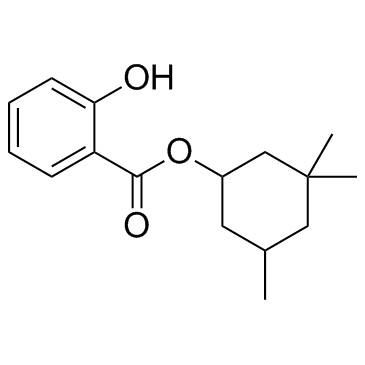
Homosalate
Homosalate (CAS 118-56-9) is an oil-soluble UV-B filter widely used in sun-care and cosmetic formulations for effective photoprotection and solubilization of solid UV filters.
View Details →
Tripeptide-32
Tripeptide-32 is a bioactive cosmetic peptide with potent water-binding and anti-glycation properties, ideal for hydrating skincare and anti-aging formulations.
View Details →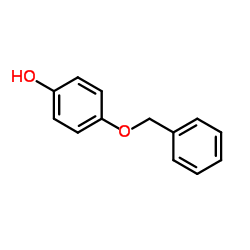
Monobenzone
Monobenzone is a high-purity cosmetic active ingredient used as a potent skin depigmenting agent in dermatological formulations and vitiligo research.
View Details →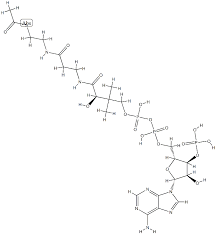
Portulaca Oleracea Extract
A natural botanical extract derived from purslane, offering potent anti-inflammatory, antiallergic, and acne-combating properties for advanced skincare formulations.
View Details →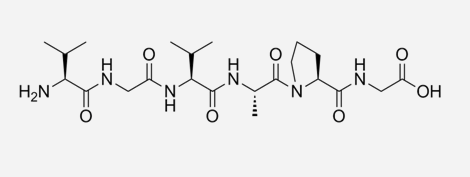
Human Oligopeptide-20
High-purity Human Oligopeptide-20 (TIMP-2) for advanced cosmetic formulations targeting skin repair and anti-aging.
View Details →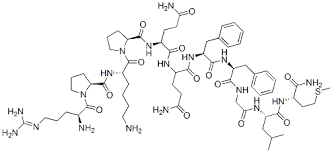
Substance P
Substance P is a bioactive neuropeptide widely studied for its role in skin physiology and neurocosmetic applications. Supplied as a high-purity (≥98.0%) white to off-white powder.
View Details →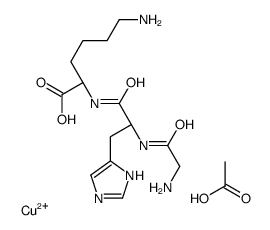
Prezatide Copper Acetate
Prezatide copper acetate is a bioactive cosmetic ingredient that supports collagen remodeling, elastin production, and skin anti-inflammatory responses.
View Details →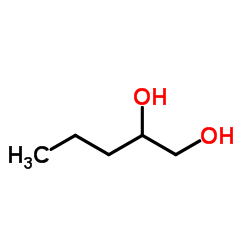
1,2-Pentanediol
High-purity 1,2-Pentanediol (≥99.0%) widely used as a multifunctional cosmetic active ingredient offering moisturization, preservation, and solvent properties.
View Details →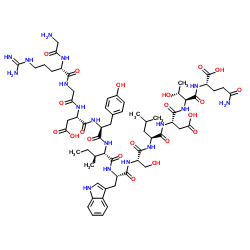
Oligopeptide-68
Oligopeptide-68 is a high-potency cosmetic active ingredient that delivers superior skin lightening effects by targeting melanogenesis pathways, outperforming traditional agents like arbutin and vitamin C.
View Details →