
Advanced Biocatalytic Production of L-Serine Using Engineered L-Threonine Aldolase Mutants
Advanced Biocatalytic Production of L-Serine Using Engineered L-Threonine Aldolase Mutants
The global demand for high-purity L-serine continues to surge across the pharmaceutical, nutraceutical, and cosmetic sectors, driven by its critical role as a metabolic precursor and functional ingredient. However, traditional manufacturing methodologies often struggle with low atom economy, complex purification workflows, and reliance on expensive cofactors. A groundbreaking solution emerges from recent intellectual property developments, specifically detailed in patent CN115109769A, which discloses novel L-threonine aldolase mutants capable of overcoming these historical bottlenecks. This technology introduces specific amino acid substitutions at position 202 of the Agrobacterium-derived enzyme, resulting in variants designated as T202S and T202G. These engineered biocatalysts demonstrate exceptional stability and activity even under high substrate loading conditions, representing a paradigm shift for manufacturers seeking a reliable pharmaceutical intermediate supplier. By leveraging semi-rational protein design, this innovation addresses the critical issue of formaldehyde inhibition that has long plagued wild-type enzymes, paving the way for more efficient and cost-effective synthesis routes.
The Limitations of Conventional Methods vs. The Novel Approach
The Limitations of Conventional Methods
Historically, the industrial production of L-serine has been dominated by methods that are either chemically intensive or biologically complex, presenting significant hurdles for cost reduction in amino acid manufacturing. Chemical synthesis routes typically yield racemic mixtures, necessitating cumbersome resolution steps to isolate the biologically active L-enantiomer, which drastically reduces overall yield and generates substantial chemical waste. Alternatively, biological approaches utilizing Serine Hydroxymethyltransferase (SHMT) have been widely explored, yet they suffer from intrinsic mechanistic complexities. The SHMT pathway requires not only pyridoxal 5'-phosphate (PLP) as a coenzyme but also the continuous presence and regeneration of tetrahydrofolate (THF), adding layers of cost and operational difficulty to the process. Furthermore, precursor fermentation methods often encounter difficulties in downstream separation, leading to high purification costs and stringent requirements for production equipment that can handle complex broth matrices. These limitations collectively hinder the ability to achieve the high volumetric productivity required for modern commercial scale-up of complex pharmaceutical intermediates.
The Novel Approach
In stark contrast to these legacy technologies, the novel approach utilizing L-threonine aldolase mutants offers a streamlined, direct aldol condensation pathway that bypasses the need for complex cofactor regeneration systems. By employing the T202S or T202G mutants, manufacturers can catalyze the reaction between glycine and formaldehyde directly, achieving conversion rates that exceed 99% even at formaldehyde concentrations as high as 200mM. This represents a significant technological leap, as wild-type enzymes typically experience severe activity suppression under such high substrate loads. The process operates under mild physiological conditions, specifically at 30°C and pH 8.0, which minimizes energy consumption and preserves the structural integrity of the biocatalyst. This simplicity translates directly into operational excellence, allowing for simpler product post-treatment and reducing the environmental footprint associated with harsh chemical reagents. For supply chain leaders, this means a more robust and predictable production timeline, effectively reducing lead time for high-purity pharmaceutical intermediates while ensuring consistent quality.
Mechanistic Insights into L-Threonine Aldolase Catalyzed Aldol Condensation
The core of this technological advancement lies in the precise manipulation of the enzyme's active site to enhance substrate tolerance without compromising stereoselectivity. L-threonine aldolase is a pyridoxal 5'-phosphate (PLP)-dependent enzyme that facilitates the reversible cleavage of L-threonine into glycine and acetaldehyde; however, in the synthetic direction, it catalyzes the formation of a new carbon-carbon bond between glycine and an aldehyde. The mutation of Threonine to Serine or Glycine at position 202 is hypothesized to alter the steric environment of the active pocket, thereby accommodating higher concentrations of the small, reactive formaldehyde molecule without inducing conformational changes that lead to inactivation. This structural modification ensures that the enzyme maintains its high stereospecificity for the L-configuration at the alpha-carbon, strictly producing the desired L-serine enantiomer without generating unwanted D-isomers or by-products. The retention of optical purity is paramount for pharmaceutical applications, where regulatory standards demand rigorous control over chiral impurities to ensure patient safety and drug efficacy.
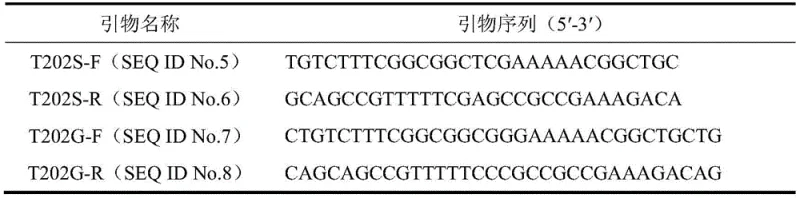
Furthermore, the mechanism avoids the formation of side products that are common in non-enzymatic aldol reactions, such as polymerization of formaldehyde or over-reaction of the product. The enzyme's specificity ensures that the reaction proceeds cleanly to the beta-hydroxy-alpha-amino acid structure of L-serine. This high fidelity in catalysis simplifies the impurity profile of the final reaction mixture, making downstream purification significantly more straightforward compared to chemical synthesis where multiple side reactions occur simultaneously. The ability to operate at high substrate concentrations also implies a higher space-time yield, meaning that smaller reactor volumes can produce the same amount of product compared to less efficient processes. For R&D directors evaluating process feasibility, this mechanistic robustness provides a solid foundation for developing scalable manufacturing protocols that meet stringent purity specifications while minimizing the need for extensive chromatographic separation steps.
How to Synthesize L-Serine Efficiently
The implementation of this biocatalytic route involves a series of well-defined genetic engineering and fermentation steps designed to maximize enzyme expression and catalytic performance. The process begins with the construction of recombinant expression vectors containing the mutated genes, followed by transformation into a robust host organism such as E. coli BL21(DE3). Detailed standard operating procedures for strain construction, fermentation optimization, and biocatalytic reaction conditions are essential for reproducibility and scale-up success. The following guide outlines the critical phases of this synthesis strategy, providing a roadmap for technical teams aiming to integrate this technology into their production pipelines. Please refer to the specific technical guidelines below for the standardized synthesis steps.
- Construct recombinant E. coli BL21(DE3) strains expressing the T202S or T202G L-threonine aldolase mutants using the pET-28a vector system.
- Cultivate the transformants in LB medium, induce expression with 0.1mM IPTG at 20°C, and harvest cells to prepare freeze-dried bacterial powder or crude enzyme liquid.
- Catalyze the aldol condensation of 200mM formaldehyde and 1M glycine in phosphate buffer (pH 8.0) at 30°C using the mutant catalyst to achieve >99% conversion.
Commercial Advantages for Procurement and Supply Chain Teams
For procurement managers and supply chain heads, the adoption of this enzymatic technology offers compelling strategic advantages that extend beyond mere technical performance. The shift from complex multi-enzyme cascades or chemical synthesis to a single-step biocatalytic process fundamentally alters the cost structure of L-serine production. By eliminating the need for expensive cofactors like tetrahydrofolate and reducing the number of unit operations required for purification, the overall manufacturing cost is significantly reduced. This cost efficiency is achieved not through speculative claims but through the tangible simplification of the process flow, which reduces labor, energy, and material inputs. Additionally, the use of a stable, freeze-dried bacterial powder as the catalyst form enhances logistics, allowing for easier storage and transportation without the need for cold chain management that liquid enzymes might require. These factors collectively contribute to a more resilient supply chain capable of withstanding market fluctuations and raw material volatility.
- Cost Reduction in Manufacturing: The elimination of complex cofactor regeneration systems, particularly the costly tetrahydrofolate required by SHMT pathways, results in substantial raw material savings. Furthermore, the high conversion rate of over 99% minimizes the loss of valuable starting materials like glycine, ensuring that nearly every mole of substrate is converted into saleable product. The simplified downstream processing, driven by the absence of racemic by-products and minimal side reactions, reduces the burden on purification infrastructure, leading to lower capital expenditure and operational costs. This streamlined approach allows manufacturers to achieve a more competitive price point in the global market for fine chemical intermediates.
- Enhanced Supply Chain Reliability: Utilizing Escherichia coli as the expression host leverages a mature and globally available fermentation infrastructure, mitigating risks associated with specialized or obscure production organisms. The robustness of the T202S and T202G mutants ensures consistent batch-to-batch performance, reducing the likelihood of production failures due to enzyme instability. This reliability is crucial for maintaining continuous supply to downstream pharmaceutical customers who depend on just-in-time delivery models. The ability to produce the catalyst as a stable freeze-dried powder further decouples enzyme production from the synthesis reaction, allowing for strategic stockpiling and flexible deployment across different manufacturing sites.
- Scalability and Environmental Compliance: The mild reaction conditions, operating at ambient pressure and moderate temperatures, align perfectly with green chemistry principles, reducing the facility's overall energy consumption and carbon footprint. The absence of heavy metal catalysts and toxic organic solvents simplifies waste treatment protocols, ensuring compliance with increasingly stringent environmental regulations. This environmental friendliness not only reduces disposal costs but also enhances the brand value of the final product as a sustainably sourced ingredient. The process is inherently scalable, moving seamlessly from laboratory benchtop experiments to multi-ton commercial production without the need for fundamental process redesign, facilitating rapid response to market demand surges.
Frequently Asked Questions (FAQ)
The following questions address common technical and commercial inquiries regarding the implementation of L-threonine aldolase mutants in L-serine synthesis. These insights are derived directly from the patented data and are intended to clarify the operational benefits and mechanistic advantages of this technology. Understanding these details is crucial for stakeholders evaluating the feasibility of integrating this biocatalytic route into their existing manufacturing portfolios. The answers provided reflect the current state of the art as described in the relevant intellectual property documentation.
Q: What is the primary advantage of the T202S and T202G mutants over wild-type L-threonine aldolase?
A: The T202S and T202G mutants exhibit significantly enhanced tolerance to high concentrations of formaldehyde substrate. While wild-type enzymes suffer from activity inhibition at elevated formaldehyde levels, these mutants maintain catalytic efficiency, achieving conversion rates exceeding 99% even at 200mM formaldehyde concentration.
Q: How does this enzymatic route compare to traditional Serine Hydroxymethyltransferase (SHMT) methods?
A: Unlike SHMT-catalyzed pathways which require complex cofactor systems including pyridoxal 5'-phosphate (PLP) and tetrahydrofolate (THF), the L-threonine aldolase route simplifies the reaction system. It eliminates the need for expensive THF regeneration, resulting in a more atom-economical process with simpler downstream purification requirements.
Q: Is this biocatalytic process suitable for large-scale industrial manufacturing?
A: Yes, the process utilizes Escherichia coli BL21(DE3) as the expression host, which is a globally recognized and robust platform for industrial enzyme production. The mild reaction conditions (30°C, pH 8.0) and high conversion rates support scalable manufacturing with reduced energy consumption and environmental impact.
Partnering with NINGBO INNO PHARMCHEM: Your Reliable L-Serine Supplier
At NINGBO INNO PHARMCHEM, we recognize the transformative potential of advanced biocatalysis in reshaping the landscape of pharmaceutical intermediate production. Our team possesses extensive experience scaling diverse pathways from 100 kgs to 100 MT/annual commercial production, ensuring that innovative laboratory discoveries are successfully translated into robust industrial realities. We are committed to delivering products that meet stringent purity specifications through our rigorous QC labs, which employ state-of-the-art analytical techniques to verify identity, potency, and impurity profiles. By partnering with us, clients gain access to a supply chain that is not only reliable but also technically sophisticated, capable of handling the nuances of enzymatic processes and complex organic syntheses alike.
We invite you to engage with our technical procurement team to discuss how this novel L-threonine aldolase technology can be tailored to your specific production needs. Request a Customized Cost-Saving Analysis today to quantify the potential economic benefits of switching to this high-efficiency biocatalytic route. Our experts are ready to provide specific COA data and comprehensive route feasibility assessments, helping you make informed decisions that drive value and efficiency in your manufacturing operations. Let us collaborate to bring high-quality, cost-effective L-serine to the global market.