
Advanced Synthesis of Fluoro-Substituted Kinase Inhibitor Intermediates for Oncology Applications
The pharmaceutical landscape for oncology treatments continues to evolve with the discovery of potent small molecule kinase inhibitors, as detailed in patent CN102548987A. This intellectual property discloses a series of novel fluoro-substituted compounds defined by Formula I, which exhibit significant inhibitory activity against critical tyrosine kinases such as Bcr-Abl, c-Kit, and PDGF-R. These enzymes are pivotal drivers in the pathogenesis of chronic myelogenous leukemia (CML) and gastrointestinal stromal tumors (GIST), representing high-value targets for therapeutic intervention. The patent not only claims the biological utility of these molecules but also provides robust synthetic methodologies that are essential for process chemists aiming to scale these candidates. For R&D directors and procurement specialists, understanding the chemical architecture and the specific reaction pathways outlined in this document is crucial for securing a reliable supply chain of high-purity pharmaceutical intermediates. The structural versatility allowed by the variable substituents R1 through R9 offers a broad chemical space for optimization, ensuring that the resulting drug candidates can meet stringent efficacy and safety profiles required by global regulatory bodies.
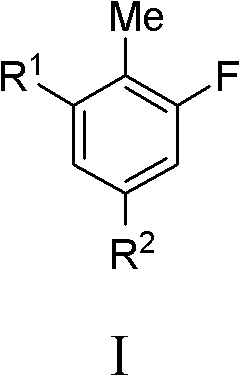
The development of efficient synthetic routes for complex heterocyclic amines often faces challenges related to regioselectivity and functional group tolerance. Conventional methods for constructing the biaryl amine core found in many kinase inhibitors frequently rely on harsh conditions that can compromise sensitive substituents or lead to difficult-to-remove impurities. Traditional nucleophilic aromatic substitution might require extreme temperatures or strong bases that are incompatible with diverse functional groups present in advanced intermediates. Furthermore, older coupling strategies often suffer from low yields when dealing with sterically hindered substrates, necessitating extensive purification steps that drive up manufacturing costs and extend lead times. In contrast, the novel approach presented in CN102548987A leverages modern transition metal catalysis and advanced coupling reagents to overcome these limitations. By utilizing palladium-catalyzed amination protocols with specialized ligands like X-Phos, the synthesis achieves high conversion rates under milder conditions. This shift from brute-force chemistry to catalytic precision represents a significant technological iteration, allowing for the construction of complex molecular architectures with greater atom economy and reduced waste generation, which is a key consideration for cost reduction in pharmaceutical intermediates manufacturing.
A deep mechanistic understanding of the amide coupling and C-N bond formation steps reveals why this process is superior for commercial scale-up. The final assembly of the target molecule involves the coupling of an aniline intermediate with a benzoic acid derivative. The patent specifies the use of HATU as the coupling agent in the presence of DIEA base within a DMF solvent system. HATU is known for its ability to activate carboxylic acids rapidly, forming highly reactive O-acyluronium species that minimize racemization and side reactions compared to carbodiimide-based reagents like EDC. This mechanism ensures that the amide bond is formed cleanly, reducing the burden on downstream purification processes. Additionally, the synthesis of the aniline core involves a palladium-catalyzed cross-coupling reaction between a chloro-pyrimidine and a protected aniline. The choice of ligand is critical here; X-Phos facilitates the oxidative addition of the palladium catalyst into the carbon-chlorine bond and stabilizes the subsequent intermediates, enabling the reaction to proceed efficiently even with electron-deficient heterocycles. This catalytic cycle is robust enough to tolerate the fluoro and methyl substituents on the aromatic ring, preventing defluorination or other degradation pathways that could plague less optimized systems. Such mechanistic control is vital for maintaining the integrity of the fluorine atom, which is often essential for the metabolic stability and binding affinity of the final kinase inhibitor.
Impurity control is another critical aspect addressed by the specific reaction conditions outlined in the patent. The reduction of nitro groups to anilines, a key step in generating the amine intermediates, is performed using iron in water or sodium sulfide in ethanol. These reducing agents are selected for their chemoselectivity; they effectively reduce the nitro functionality without affecting other sensitive groups such as esters or halides that might be present on the ring system. For instance, the use of iron powder in aqueous media at reflux temperatures provides a clean conversion to the amine, which can then be isolated via simple extraction and chromatography. This contrasts with catalytic hydrogenation which might require high-pressure equipment and poses safety risks on a large scale. By opting for chemical reduction with iron or sulfide salts, the process avoids the need for specialized high-pressure reactors, thereby simplifying the equipment requirements and enhancing operational safety. Furthermore, the purification strategies described, such as silica gel chromatography with specific solvent gradients like ethyl acetate and petroleum ether, are designed to separate closely related by-products, ensuring that the final intermediates meet the rigorous purity specifications demanded by the pharmaceutical industry for clinical trial materials.
How to Synthesize Fluoro-Substituted Kinase Inhibitor Intermediates Efficiently
The synthesis of these high-value intermediates follows a convergent strategy that allows for the independent preparation of the amine and acid components before final assembly. The process begins with the preparation of the fluorinated aniline core, which involves nitration, reduction, and diazotization-fluorination sequences to install the critical fluorine atom at the desired position. Once the aniline intermediate is secured, it undergoes palladium-catalyzed coupling with the heteroaryl chloride to form the biaryl amine scaffold. The final step involves the activation of the benzoic acid side chain and its coupling to the aniline nitrogen. This modular approach allows manufacturers to optimize each fragment separately, improving overall yield and flexibility. The detailed standardized synthesis steps for replicating this process in a GMP environment are provided in the guide below, ensuring consistency and quality across batches.
- Prepare the aniline intermediate by reducing nitro precursors using iron in water or sodium sulfide in ethanol, followed by purification via silica gel chromatography.
- Synthesize the heteroaryl amine component through palladium-catalyzed cross-coupling of chloro-pyrimidines with protected anilines using X-Phos ligands.
- Perform the final amide coupling between the aniline intermediate and benzoic acid derivative using HATU and DIEA in DMF to yield the target kinase inhibitor.
Commercial Advantages for Procurement and Supply Chain Teams
For procurement managers and supply chain heads, the synthetic route described in CN102548987A offers several tangible benefits that translate directly into operational efficiency and risk mitigation. The reliance on commercially available starting materials such as substituted benzoic acids and chloro-pyrimidines ensures a stable supply base, reducing the vulnerability to raw material shortages that can plague more exotic synthetic pathways. The use of standard reagents like HATU, iron powder, and common organic solvents means that the process can be implemented in existing multi-purpose manufacturing facilities without requiring significant capital investment in specialized equipment. This compatibility with standard infrastructure significantly lowers the barrier to entry for contract manufacturing organizations, fostering a competitive supplier landscape that drives down costs. Moreover, the avoidance of cryogenic conditions or ultra-high pressure reactions simplifies the engineering controls needed for safe operation, further contributing to cost reduction in pharmaceutical intermediates manufacturing by minimizing energy consumption and safety overheads.
- Cost Reduction in Manufacturing: The synthetic pathway eliminates the need for expensive noble metal catalysts in the reduction steps by utilizing iron powder, which is abundant and inexpensive. While palladium is used in the coupling step, the efficiency of the X-Phos ligand system allows for lower catalyst loadings, reducing the overall cost of goods sold. Additionally, the high selectivity of the HATU-mediated coupling minimizes the formation of difficult-to-separate impurities, which reduces the volume of solvents and silica gel required for purification. This streamlined purification process leads to substantial cost savings in waste disposal and raw material consumption, making the overall production economics highly favorable for large-scale commercialization.
- Enhanced Supply Chain Reliability: The robustness of the chemical transformations described ensures high batch-to-batch consistency, which is critical for maintaining a reliable supply of clinical and commercial materials. The use of stable intermediates that can be stored and transported without special handling requirements enhances supply chain resilience. By decoupling the synthesis of the amine and acid fragments, manufacturers can build inventory buffers for each component, mitigating the risk of production delays caused by a bottleneck in a single step. This modularity supports a just-in-time manufacturing strategy that can respond quickly to fluctuations in demand, ensuring reducing lead time for high-purity pharmaceutical intermediates and keeping drug development timelines on track.
- Scalability and Environmental Compliance: The process is designed with scalability in mind, utilizing reaction conditions that are easily transferable from laboratory to pilot and commercial scales. The aqueous workups and standard solvent systems facilitate efficient recycling and recovery, aligning with green chemistry principles and environmental regulations. The avoidance of hazardous reagents like hydrazine in certain reduction steps (preferring iron or sulfide instead where applicable) reduces the toxicological burden on the facility and simplifies regulatory compliance. This focus on safety and environmental stewardship not only protects the workforce but also streamlines the permitting process for new manufacturing lines, accelerating the commercial scale-up of complex pharmaceutical intermediates.
Frequently Asked Questions (FAQ)
The following questions address common technical and commercial inquiries regarding the synthesis and application of the compounds disclosed in patent CN102548987A. These answers are derived directly from the experimental data and descriptions provided in the patent specification, offering clarity on the feasibility and scope of the technology. Understanding these details helps stakeholders make informed decisions about integrating these intermediates into their drug development pipelines.
Q: What specific kinases are targeted by the compounds in patent CN102548987A?
A: The compounds described in the patent are designed to inhibit tyrosine kinases including Bcr-Abl, c-Kit, and PDGF-R, making them relevant for treating chronic myelogenous leukemia and gastrointestinal stromal tumors.
Q: Which coupling agents are preferred for the final amide bond formation?
A: The patent explicitly utilizes HATU (Hexafluorophosphate Azabenzotriazole Tetramethyl Uronium) in combination with DIEA (N,N-Diisopropylethylamine) in DMF solvent to ensure high efficiency and purity during the amide coupling step.
Q: How is the fluorine atom introduced into the aromatic ring during synthesis?
A: The fluorine substitution is achieved via a diazotization reaction followed by treatment with hydrogen fluoride-pyridine complex (HF-Pyridine) at elevated temperatures, converting an amino group directly into a fluoro substituent.
Partnering with NINGBO INNO PHARMCHEM: Your Reliable Kinase Inhibitor Intermediates Supplier
The technological potential of the fluoro-substituted kinase inhibitors described in CN102548987A is immense, offering a pathway to next-generation therapies for resistant cancers. At NINGBO INNO PHARMCHEM, we possess the technical expertise and infrastructure to bring these complex synthetic routes from paper to production. Our team has extensive experience scaling diverse pathways from 100 kgs to 100 MT/annual commercial production, ensuring that your supply needs are met with precision and reliability. We operate stringent purity specifications and maintain rigorous QC labs equipped with state-of-the-art analytical instrumentation to verify the identity and quality of every batch. Our commitment to excellence ensures that the intermediates we supply meet the highest standards required for global pharmaceutical applications, providing you with a secure foundation for your drug development programs.
We invite you to collaborate with us to optimize these synthetic routes for your specific needs. Our technical procurement team is ready to provide a Customized Cost-Saving Analysis tailored to your project volume and timeline. By partnering with us, you gain access to our deep process knowledge and supply chain network. Please contact us today to request specific COA data and route feasibility assessments for the kinase inhibitor intermediates discussed in this report. Let us help you accelerate your journey from discovery to market with our reliable supply of high-quality pharmaceutical building blocks.