
Revolutionizing L-Glufosinate Production: High-Efficiency DyGDH Mutants for Commercial Scale-Up
The global demand for high-efficiency herbicides continues to drive innovation in agrochemical intermediate manufacturing, specifically for L-glufosinate-ammonium, a critical component in modern crop protection. Patent CN109609474B introduces a groundbreaking advancement in this sector by disclosing a novel amino acid dehydrogenase mutant, designated as DyGDH-F95I-A108T-R172P-R303H. This engineered biocatalyst addresses the longstanding limitations of traditional chemical synthesis and earlier enzymatic methods, which often suffered from low catalytic efficiency and poor substrate tolerance. By leveraging site-directed saturation mutagenesis on the parent DyGDH enzyme derived from Pseudomonas monteilii, the inventors have achieved a remarkable 33-fold increase in specific enzyme activity. This technical leap not only enhances the reaction kinetics but also allows for substrate concentrations as high as 500mM, fundamentally shifting the economic viability of biocatalytic routes for this high-value herbicide intermediate.
The Limitations of Conventional Methods vs. The Novel Approach
The Limitations of Conventional Methods
Historically, the industrial production of L-glufosinate has relied heavily on chemical synthesis pathways that involve multiple steps, harsh reaction conditions, and the use of expensive chiral resolving agents. These conventional methods often result in a racemic mixture, requiring energy-intensive separation processes to isolate the active L-enantiomer, effectively wasting nearly 50% of the synthesized material as the inactive D-isomer. Furthermore, traditional chemical routes frequently employ heavy metal catalysts or hazardous reagents, generating significant toxic waste streams that complicate environmental compliance and increase disposal costs. From a supply chain perspective, the long reaction times associated with older enzymatic methods—often exceeding 20 hours for complete conversion—create bottlenecks in production scheduling, limiting the agility of manufacturers to respond to seasonal market demands for agrochemical products.
The Novel Approach
In stark contrast, the novel approach detailed in the patent utilizes a highly engineered amino acid dehydrogenase system that operates under mild physiological conditions, typically around 35°C and neutral pH. This biocatalytic strategy employs a coupled enzyme system where the DyGDH mutant works in tandem with glucose dehydrogenase (GDH) to facilitate an asymmetric reductive amination. The key innovation lies in the specific mutations at positions 95, 108, 172, and 303, which collectively reshape the enzyme's active site to better accommodate the bulky phosphinyl-containing substrate. This structural optimization results in a dramatic reduction in reaction time, completing the conversion in just 120 minutes compared to the 20 hours required by previous standards. Such efficiency gains translate directly into higher throughput and reduced operational expenditures for manufacturers seeking a reliable agrochemical intermediate supplier.
Mechanistic Insights into DyGDH-Mediated Asymmetric Reductive Amination
The catalytic mechanism of the DyGDH mutant involves the stereoselective transfer of a hydride ion from the cofactor NADPH to the prochiral ketone substrate, 2-carbonyl-4-(hydroxymethylphosphinyl)-butyric acid. The specific mutations introduced—Phenylalanine to Isoleucine at position 95, Alanine to Threonine at 108, Arginine to Proline at 172, and Arginine to Histidine at 303—are strategically located within or near the substrate-binding pocket. These alterations likely reduce steric hindrance and enhance hydrogen bonding interactions with the phosphonate group of the substrate, thereby lowering the activation energy for the rate-limiting step. The inclusion of glucose dehydrogenase creates a self-sustaining cofactor regeneration cycle, oxidizing glucose to gluconolactone while reducing NADP+ back to NADPH, eliminating the need for stoichiometric amounts of expensive external cofactors. This elegant coupling ensures that the reaction proceeds with high atom economy and minimal waste generation.
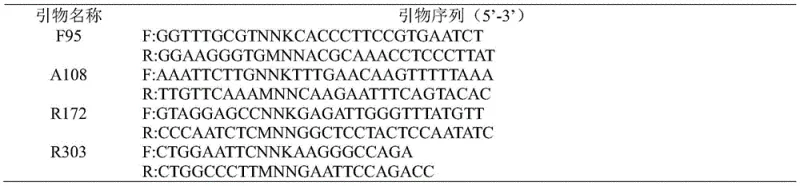
Furthermore, the mutant enzyme demonstrates exceptional stereocontrol, consistently maintaining an enantiomeric excess (e.e.) value above 99.5% throughout the reaction course. This high level of optical purity is critical for agrochemical applications, as the presence of the D-isomer can reduce herbicidal efficacy and potentially lead to unwanted environmental persistence. The kinetic data indicates that the quadruple mutant possesses a significantly improved kcat/Km ratio, reflecting both a higher turnover number and a stronger affinity for the substrate compared to the wild-type enzyme. This enhanced catalytic efficiency allows the process to tolerate higher substrate loadings without inhibition, a common issue in biocatalysis that often limits scalability. By understanding these mechanistic nuances, R&D directors can better appreciate the robustness of this platform for producing high-purity chiral intermediates.
How to Synthesize L-Glufosinate-Ammonium Efficiently
The synthesis protocol outlined in the patent provides a clear roadmap for implementing this technology at scale, starting from gene cloning to final product isolation. The process begins with the construction of recombinant E. coli BL21(DE3) strains harboring the mutant DyGDH gene and a separate strain expressing glucose dehydrogenase. Following fermentation and induction with IPTG, the wet cell biomass is harvested and subjected to ultrasonic disruption to release the intracellular enzymes. The resulting crude lysate serves as the biocatalyst, avoiding the costly and time-consuming steps of protein purification. The reaction is conducted in a phosphate buffer system with controlled pH maintenance via ammonia addition, ensuring optimal enzyme stability. For a detailed breakdown of the specific fermentation parameters, cell lysis conditions, and reaction setup, please refer to the standardized guide below.
- Construct recombinant E. coli strains expressing the DyGDH mutant (e.g., F95I-A108T-R172P-R303H) and glucose dehydrogenase.
- Prepare wet cell biomass through fermentation, induction with IPTG, and centrifugation.
- Perform asymmetric reductive amination of 2-carbonyl-4-(hydroxymethylphosphinyl)-butyric acid using the crude enzyme system with glucose for cofactor recycling.
Commercial Advantages for Procurement and Supply Chain Teams
For procurement managers and supply chain heads, the adoption of this DyGDH mutant technology offers transformative benefits that extend beyond simple yield improvements. The shift from chemical synthesis to this advanced biocatalytic route fundamentally alters the cost structure of L-glufosinate manufacturing by eliminating the need for precious metal catalysts and complex chiral resolution infrastructure. The drastic reduction in reaction time from 20 hours to merely 120 minutes means that existing reactor capacity can be utilized much more intensively, effectively increasing production output without the need for capital investment in new hardware. This acceleration of the manufacturing cycle significantly reduces lead times for high-purity agrochemical intermediates, allowing suppliers to respond more rapidly to fluctuating market demands and seasonal planting cycles.
- Cost Reduction in Manufacturing: The elimination of expensive chiral resolving agents and heavy metal catalysts leads to substantial cost savings in raw material procurement. Additionally, the ability to use crude enzyme lysates rather than purified proteins removes a major downstream processing cost center, simplifying the overall production workflow. The high substrate tolerance of the mutant enzyme allows for more concentrated reaction mixtures, which reduces the volume of solvent and water required, subsequently lowering energy costs associated with heating, cooling, and wastewater treatment.
- Enhanced Supply Chain Reliability: By shortening the production cycle time so dramatically, manufacturers can maintain leaner inventory levels while still meeting delivery commitments, thereby improving cash flow and reducing storage costs. The use of robust E. coli expression systems ensures a consistent and renewable supply of the biocatalyst, mitigating risks associated with the availability of specialized chemical reagents. This reliability is crucial for maintaining continuous operations in the face of global supply chain disruptions, ensuring a steady flow of critical herbicide ingredients to formulators.
- Scalability and Environmental Compliance: The aqueous nature of the biocatalytic reaction and the absence of toxic organic solvents align perfectly with increasingly stringent environmental regulations regarding volatile organic compound (VOC) emissions. The process generates benign byproducts such as gluconic acid, which are easier to treat than the hazardous waste streams typical of traditional chemical synthesis. This environmental compatibility facilitates easier permitting for facility expansions and enhances the sustainability profile of the final product, a growing priority for end-users in the agricultural sector.
Frequently Asked Questions (FAQ)
The following questions address common technical and commercial inquiries regarding the implementation of this patented enzyme technology. These insights are derived directly from the experimental data and beneficial effects described in the patent documentation, providing clarity on performance metrics and operational feasibility. Understanding these details is essential for stakeholders evaluating the transition from conventional chemical methods to this next-generation biocatalytic platform.
Q: What is the primary advantage of the DyGDH-F95I-A108T-R172P-R303H mutant?
A: This quadruple mutant exhibits a 33-fold increase in specific enzyme activity compared to the parent enzyme, allowing for significantly higher substrate loading (up to 500mM) and drastically reduced reaction times.
Q: How does this biocatalytic route improve stereo-selectivity?
A: The engineered enzyme maintains an enantiomeric excess (e.e.) of greater than 99.5%, ensuring the production of the biologically active L-isomer without the need for complex chiral resolution steps.
Q: Is this process suitable for large-scale industrial manufacturing?
A: Yes, the use of E. coli expression systems and the ability to utilize crude enzyme lysates without extensive purification makes this route highly scalable and cost-effective for ton-level production.
Partnering with NINGBO INNO PHARMCHEM: Your Reliable L-Glufosinate-Ammonium Supplier
At NINGBO INNO PHARMCHEM, we recognize the strategic importance of adopting cutting-edge biocatalytic technologies to maintain competitiveness in the global agrochemical market. Our team of expert process chemists and fermentation engineers possesses extensive experience scaling diverse pathways from 100 kgs to 100 MT/annual commercial production, ensuring that innovations like the DyGDH mutant system can be seamlessly transferred from the lab to the plant. We are committed to delivering products that meet stringent purity specifications, supported by our rigorous QC labs equipped with state-of-the-art analytical instrumentation to verify enantiomeric excess and impurity profiles. Our capability to handle complex chiral synthesis positions us as a preferred partner for multinational corporations seeking secure and high-quality supply chains.
We invite you to engage with our technical procurement team to discuss how this advanced enzymatic route can be integrated into your specific manufacturing requirements. By requesting a Customized Cost-Saving Analysis, you can gain a deeper understanding of the potential economic benefits tailored to your current production volumes. We encourage you to contact us today to obtain specific COA data and route feasibility assessments, allowing you to make informed decisions that drive efficiency and profitability in your herbicide production operations.