
Revolutionizing 1,2,4-Triazole Manufacturing: Safe, Photocatalytic Routes for High-Purity Pharmaceutical Intermediates
The pharmaceutical and agrochemical industries are constantly seeking robust synthetic pathways for heterocyclic scaffolds, particularly the 1,2,4-triazole motif, which serves as a critical backbone in numerous bioactive molecules. Patent CN111518042A introduces a groundbreaking methodology for constructing these valuable structures through a visible-light-driven photocatalytic cyclization. Unlike conventional thermal methods that often demand harsh conditions, this innovation leverages photon energy to drive the reaction at mild temperatures ranging from 50°C to 80°C. This shift represents a paradigm change in how we approach the synthesis of complex nitrogen-containing heterocycles, offering a safer and more energy-efficient alternative to traditional high-temperature protocols. The core innovation lies in the strategic use of hydrazine compounds and isothiocyanates, which, under the influence of a photocatalyst, undergo a transformative cyclization to yield the target 1,2,4-triazole derivatives with exceptional structural diversity.
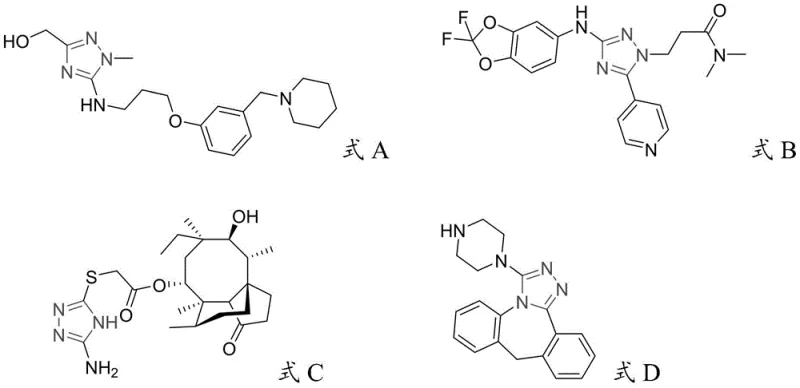
Historically, the construction of the 1,2,4-triazole ring has been fraught with significant safety and operational challenges, primarily due to the reliance on azide chemistry. Conventional synthetic routes frequently employ organic azides as key building blocks, which are notoriously unstable and possess a high risk of explosion, especially when scaled up for industrial manufacturing. These safety hazards necessitate expensive containment infrastructure, rigorous safety protocols, and often limit the maximum batch size, thereby constraining production capacity. Furthermore, traditional thermal cyclizations often require elevated temperatures that can lead to thermal degradation of sensitive functional groups, resulting in complex impurity profiles that are difficult to separate. The need for high energy input also contradicts modern green chemistry principles, increasing the carbon footprint of the manufacturing process and driving up operational costs associated with heating and cooling cycles.
In stark contrast, the novel approach detailed in the patent utilizes a photocatalytic system that operates under remarkably mild conditions, effectively bypassing the limitations of thermal activation. By employing organic dyes such as Rose Bengal or metal complexes like Ruthenium bipyridine, the reaction harnesses visible light to generate reactive radical intermediates at ambient to moderate temperatures. This method eliminates the need for explosive azide precursors, replacing them with stable and commercially available hydrazines and isothiocyanates. The reaction proceeds through a thiourea intermediate which, upon photo-excitation, undergoes homolytic cleavage to form a sulfur-centered radical. This radical species then engages in an intramolecular cyclization facilitated by oxygen oxidation, leading to the formation of the triazole ring. This mechanism not only enhances safety but also improves atom economy and reduces the formation of thermal byproducts, resulting in a cleaner reaction profile.
Mechanistic Insights into Photocatalytic Radical Cyclization
The mechanistic pathway of this transformation is a sophisticated interplay of photoredox catalysis and radical chemistry. Upon irradiation, the photocatalyst absorbs photons and transitions to an excited state, possessing sufficient redox potential to interact with the thiourea intermediate formed in situ from the hydrazine and isothiocyanate. This interaction triggers the dissociation of the C-N bond within the thiourea moiety, generating a thiourea radical species. This radical is highly reactive and undergoes addition to the adjacent nitrogen center, setting the stage for ring closure. Crucially, molecular oxygen present in the system acts as a terminal oxidant, converting the intermediate radical adduct into a radical cation. This oxidation step is vital for driving the equilibrium towards the final aromatic triazole product. The entire cycle is catalytic with respect to the photocatalyst, meaning only minute quantities (0.5% to 2% molar ratio) are required to sustain the reaction, making the process economically viable and environmentally benign.
From an impurity control perspective, the mild nature of the photocatalytic conditions offers distinct advantages over thermal methods. High-temperature reactions often promote non-selective bond cleavages and rearrangements, leading to a plethora of structurally related impurities that share similar physical properties with the target molecule. In this photochemical protocol, the energy input is precisely tuned to the absorption wavelength of the catalyst (200-1000 nm), ensuring that only the specific catalytic cycle is activated. This selectivity minimizes side reactions such as polymerization or decomposition of the starting materials. Furthermore, the use of tetramethylguanidine (TMG) as a base promotes the initial formation of the thiourea intermediate while maintaining a pH environment that stabilizes the radical species. The result is a reaction mixture with a simplified impurity profile, which significantly eases the burden on downstream purification steps like column chromatography, ultimately yielding products with purity levels exceeding 99%.
How to Synthesize 1,2,4-Triazole Derivatives Efficiently
The practical execution of this synthesis is straightforward and amenable to standard laboratory and pilot plant equipment. The process begins with the preparation of a reaction mixture containing the hydrazine substrate, the isothiocyanate coupling partner, and tetramethylguanidine in a polar organic solvent such as acetonitrile or DMSO. A photocatalyst is then introduced, and the solution is subjected to irradiation using LEDs or other light sources within the specified wavelength range. The reaction temperature is maintained between 50°C and 80°C, which is easily achievable with standard heating mantles or oil baths. Following the completion of the cyclization, typically within 1 to 48 hours depending on the substrate, the crude product is isolated and purified. The detailed standardized synthesis steps for specific derivatives are outlined in the guide below.
- Mix hydrazine compound, isothiocyanate compound, tetramethylguanidine, photocatalyst, and polar organic solvent to form a homogeneous solution.
- Subject the mixture to illumination (200-1000nm wavelength) at a controlled temperature of 50-80°C to initiate the radical cyclization reaction.
- Purify the resulting reaction mixture via column chromatography using petroleum ether and ethyl acetate to isolate the high-purity 1,2,4-triazole product.
Commercial Advantages for Procurement and Supply Chain Teams
For procurement managers and supply chain directors, the adoption of this photocatalytic technology translates into tangible strategic benefits regarding cost stability and supply continuity. The elimination of hazardous azide reagents removes a major bottleneck in the supply chain, as these materials often require specialized logistics and storage facilities that drive up costs and lead times. By switching to stable hydrazines and isothiocyanates, manufacturers can source raw materials from a broader pool of suppliers, enhancing negotiation leverage and reducing the risk of supply disruptions. Additionally, the mild reaction conditions significantly lower energy consumption compared to high-temperature thermal processes. This reduction in utility usage directly impacts the cost of goods sold (COGS), providing a competitive edge in pricing without compromising on quality or yield.
- Cost Reduction in Manufacturing: The economic viability of this process is bolstered by the use of low-loading photocatalysts and the avoidance of expensive safety infrastructure required for explosive chemicals. Since the reaction does not require extreme temperatures or pressures, the capital expenditure for reactor systems is reduced, and maintenance costs are minimized. Furthermore, the high selectivity of the photochemical pathway means less raw material is wasted on byproduct formation, improving the overall mass balance and yield efficiency. This efficient use of resources ensures that the cost per kilogram of the final API intermediate is optimized, allowing for better margin management in a competitive market.
- Enhanced Supply Chain Reliability: Reliability is paramount in the pharmaceutical supply chain, and this technology offers a robust solution by utilizing readily available starting materials. The substrates, such as substituted phenylhydrazines and isothiocyanates, are commodity chemicals with established global supply networks. This accessibility ensures that production schedules are not held hostage by the scarcity of exotic reagents. Moreover, the operational safety of the process reduces the likelihood of unplanned shutdowns due to safety incidents. A safer manufacturing environment leads to more consistent output and dependable delivery timelines, which is critical for meeting the strict Just-In-Time (JIT) requirements of downstream drug manufacturers.
- Scalability and Environmental Compliance: Scaling photochemical reactions has historically been a challenge, but recent advancements in flow chemistry and LED technology have made this highly feasible. The process described generates minimal hazardous waste, aligning with increasingly stringent environmental regulations. The absence of heavy metal catalysts in some embodiments (using organic dyes instead) further simplifies waste treatment and disposal. This environmental compatibility not only reduces compliance costs but also enhances the corporate sustainability profile of the manufacturer. The ability to scale from gram to multi-ton quantities while maintaining high purity standards ensures that the technology can support both clinical trial material production and full-scale commercial manufacturing.
Frequently Asked Questions (FAQ)
The following questions address common technical and commercial inquiries regarding the implementation of this photocatalytic triazole synthesis. These insights are derived directly from the experimental data and technical specifications provided in the patent documentation, aiming to clarify the feasibility and advantages of adopting this route for your specific project needs.
Q: How does this photocatalytic method improve safety compared to traditional triazole synthesis?
A: Traditional methods often rely on explosive azide precursors which pose significant safety risks during storage and handling. This patented process utilizes stable hydrazine and isothiocyanate starting materials activated by visible light, eliminating the hazard of explosive intermediates and allowing for safer commercial scale-up.
Q: What purity levels can be achieved with this synthesis route?
A: The process is designed to minimize side reactions through mild thermal conditions (50-80°C) and selective photocatalytic activation. Experimental data indicates that the resulting 1,2,4-triazole compounds can achieve purity levels exceeding 99%, significantly reducing the burden on downstream purification processes.
Q: Is this photocatalytic technology scalable for industrial production?
A: Yes, the reaction operates under mild temperatures and uses commercially available organic dye or metal complex photocatalysts. The elimination of extreme thermal conditions and hazardous reagents makes the process highly adaptable for continuous flow reactors and large-scale batch production.
Partnering with NINGBO INNO PHARMCHEM: Your Reliable 1,2,4-Triazole Compound Supplier
At NINGBO INNO PHARMCHEM, we recognize the transformative potential of the photocatalytic synthesis route described in patent CN111518042A for producing high-value 1,2,4-triazole intermediates. As a leading CDMO partner, we possess extensive experience scaling diverse pathways from 100 kgs to 100 MT/annual commercial production, ensuring that your transition from lab bench to market is seamless. Our facility is equipped with state-of-the-art photochemical reactors and rigorous QC labs capable of meeting stringent purity specifications, guaranteeing that every batch of 1,2,4-triazole compound delivered meets the highest industry standards for pharmaceutical applications.
We invite you to collaborate with our technical team to explore how this innovative chemistry can optimize your supply chain. Contact our technical procurement team today to request a Customized Cost-Saving Analysis tailored to your specific volume requirements. We are ready to provide specific COA data and comprehensive route feasibility assessments to demonstrate how we can become your trusted partner in delivering cost-effective and high-quality chemical solutions.