
Advanced Regiospecific Route for High-Purity Epoxiconazole Intermediates Manufacturing
The global demand for high-efficacy fungicides, particularly those based on the triazole class such as Epoxiconazole, necessitates manufacturing processes that deliver exceptional purity and regioselectivity. Patent CN1662525A introduces a groundbreaking methodology for the preparation of 1,2,4-triazol-1-yl-methyloxiranes, addressing the longstanding challenge of isomeric impurities in triazole synthesis. Traditional alkylation routes often struggle with the formation of unwanted 4-substituted triazole byproducts, which complicates downstream purification and reduces the biological efficacy of the final agrochemical active ingredient. This patent discloses a clever two-step strategy utilizing 4-amino-1,2,4-triazole as a masked precursor, which ensures that alkylation occurs exclusively at the N1 position before the amino group is cleaved off. For R&D directors and process chemists, this represents a significant leap forward in controlling the impurity profile of critical agricultural intermediates, offering a pathway to products with purity levels exceeding 98% without the need for exhaustive chromatographic separation.
The Limitations of Conventional Methods vs. The Novel Approach
The Limitations of Conventional Methods
Prior art methods for synthesizing triazolylmethyloxiranes typically involve the direct reaction of 1,2,4-triazole with halogenated or sulfonated oxiranes in the presence of a base. While conceptually simple, these reactions suffer from inherent regiochemical ambiguity. The nucleophilic attack can occur at either the N1 or N4 position of the triazole ring, leading to a mixture of isomers where the undesired 4-substituted triazole can constitute between 10% to 35% of the crude product. Separating these isomers is notoriously difficult due to their similar physical properties, often requiring energy-intensive recrystallization cycles or expensive chromatography. Furthermore, the basic conditions required for direct alkylation can promote solvolysis and ring-opening of the sensitive epoxide moiety, generating hydroxyalkyl byproducts that further degrade yield and complicate the isolation of the biologically active trans-isomer. These inefficiencies create bottlenecks in commercial scale-up, increasing both the cost of goods sold and the environmental footprint of the manufacturing process.
The Novel Approach
The methodology described in CN1662525A circumvents these issues by employing a "protection-deprotection" logic without traditional protecting groups. By starting with 4-amino-1,2,4-triazole, the N4 position is effectively blocked by the amino functionality, sterically and electronically directing the nucleophilic attack of the oxirane derivative exclusively to the N1 nitrogen. This results in the formation of a quaternary 4-amino-1,2,4-triazolium salt intermediate with near-perfect regioselectivity. Once the carbon-nitrogen bond is securely formed at the desired position, the temporary amino group is removed via a diazotization-deamination sequence using nitrites. This elegant solution not only eliminates the formation of the 4-substituted isomer entirely but also minimizes ring-opening side reactions, as the alkylation can be performed under neutral or mildly catalytic conditions rather than strong bases. The result is a streamlined process that delivers the target 1-substituted triazole with significantly reduced impurity loads.
Mechanistic Insights into Regiospecific Alkylation and Deamination
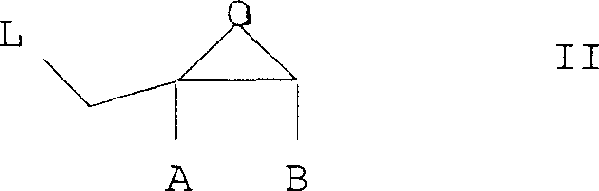
The core mechanistic advantage of this process lies in the electronic modulation of the triazole ring by the exocyclic amino group. In the first stage, the reaction between the oxirane derivative (Formula II), which bears a good leaving group such as a mesylate or halide, and 4-amino-1,2,4-triazole (Formula III) proceeds via an SN2 mechanism. The presence of the amino group at the 4-position increases the electron density at the adjacent nitrogens but sterically hinders the N4 site, making N1 the kinetically favored nucleophile. This step forms the quaternary ammonium salt (Formula IV), a stable intermediate that can often be isolated by crystallization or precipitation, providing an opportunity for intermediate quality control. The patent highlights that this alkylation can be conducted in a variety of solvents, including alcohols like n-butanol or polar aprotic solvents like NMP, often with the aid of phase transfer catalysts or iodide promoters to enhance reaction rates without compromising the integrity of the epoxide ring.
The second stage involves the conversion of the amino-triazolium salt into the final triazole via deamination. This is achieved by treating the salt with nitrous acid, generated in situ from alkali metal nitrites and strong mineral acids, or by using organic nitrites like n-butyl nitrite. Mechanistically, the primary amine is diazotized to form an unstable diazonium species, which rapidly decomposes to release nitrogen gas and leave behind a proton, effectively restoring the aromatic triazole system. A critical concern in this step is the stability of the epoxide ring under acidic conditions. However, the patent data indicates that by controlling the temperature (typically between -10°C to 60°C) and the acidity, the rate of deamination outpaces the rate of acid-catalyzed epoxide hydrolysis. The steric bulk of the substituents on the oxirane ring (such as the 4-fluorophenyl and 2-chlorophenyl groups found in Epoxiconazole precursors) further protects the epoxide from nucleophilic attack by water, allowing the deamination to proceed with high fidelity and preserving the stereochemistry of the fungicidally active trans-isomer.
How to Synthesize 1,2,4-Triazolylmethyl-oxiranes Efficiently
The synthesis protocol outlined in the patent provides a robust framework for producing high-purity intermediates suitable for commercial fungicide production. The process begins with the selection of appropriate starting materials, specifically an oxirane bearing a leaving group like mesylate and commercially available 4-amino-1,2,4-triazole. The reaction is typically heated in a solvent such as n-butanol or 2-ethylhexanol to drive the formation of the quaternary salt to completion. Following the isolation of this intermediate, the deamination step is performed in an aqueous or biphasic system. Detailed standard operating procedures regarding specific molar ratios, temperature ramps, and workup techniques are essential for reproducibility and safety, particularly when handling nitrites and evolving nitrogen gas. For a comprehensive guide on the exact operational parameters validated in the patent examples, please refer to the standardized synthesis steps provided below.
- React a substituted oxirane containing a nucleophilically substitutable leaving group (such as mesylate or halide) with 4-amino-1,2,4-triazole in an organic solvent at elevated temperatures to form a quaternary 4-amino-1,2,4-triazolium salt.
- Isolate the intermediate quaternary salt, optionally through crystallization or phase separation, ensuring the epoxide ring remains intact during the alkylation phase.
- Subject the isolated salt to deamination conditions using alkali metal nitrites and strong acids, or organic nitrites, to remove the amino group and yield the final 1-substituted triazolylmethyloxirane with high purity.
Commercial Advantages for Procurement and Supply Chain Teams
For procurement managers and supply chain leaders, the adoption of this regiospecific synthesis route offers tangible strategic advantages beyond mere chemical elegance. The most significant impact is the drastic simplification of the purification train. By virtually eliminating the formation of the 4-substituted isomer, manufacturers can bypass the complex and costly separation technologies—such as preparative chromatography or multi-stage recrystallizations—that are mandatory in conventional processes. This reduction in downstream processing directly translates to lower operational expenditures, as it decreases solvent consumption, reduces energy usage for heating and cooling cycles, and shortens the overall batch cycle time. Furthermore, the ability to isolate the intermediate quaternary salt allows for a flexible manufacturing schedule where the intermediate can be stockpiled and deaminated on demand, enhancing supply chain resilience against fluctuations in raw material availability.
- Cost Reduction in Manufacturing: The elimination of isomeric impurities fundamentally changes the cost structure of producing agrochemical intermediates. In traditional routes, a significant portion of raw materials ends up as waste isomers that must be separated and discarded, effectively lowering the atom economy and driving up the cost per kilogram of the final product. By achieving regioselectivity through the amino-triazole route, the process maximizes the conversion of expensive starting materials into the desired product. Additionally, the removal of chromatographic purification steps reduces the reliance on high-grade silica and large volumes of organic solvents, leading to substantial savings in waste disposal costs and solvent recovery operations. This efficiency gain allows for a more competitive pricing model for the final fungicide active ingredient.
- Enhanced Supply Chain Reliability: Supply chain continuity is often threatened by the complexity of chemical synthesis; the more steps and purification hurdles involved, the higher the risk of batch failure or delay. This novel method simplifies the process flow, reducing the number of unit operations required to reach specification. The robustness of the deamination step, which can be performed in aqueous media, also reduces the dependency on specialized anhydrous solvents that might be subject to supply constraints. Moreover, the high purity of the crude product (>98% in many examples) means that quality control testing is streamlined, and the risk of failing to meet stringent customer specifications for impurity profiles is significantly minimized, ensuring consistent on-time delivery to downstream formulators.
- Scalability and Environmental Compliance: Scaling chemical processes from the laboratory to multi-ton production often exposes hidden inefficiencies, particularly in waste generation. The described method aligns well with green chemistry principles by improving atom economy and reducing the E-factor (mass of waste per mass of product). The avoidance of heavy metal catalysts or exotic reagents simplifies the regulatory compliance landscape, as there are fewer residual metals to monitor in the final API. The use of common solvents like alcohols and the ability to recycle mother liquors (as noted in the patent examples) further enhance the environmental profile of the manufacturing site. This makes the technology not only economically attractive but also sustainable, helping companies meet increasingly rigorous corporate sustainability goals and environmental regulations.
Frequently Asked Questions (FAQ)
The following questions address common technical and commercial inquiries regarding the implementation of this patented technology. Understanding the nuances of the reaction mechanism and the practical benefits of the amino-triazole route is crucial for stakeholders evaluating this technology for integration into their existing manufacturing portfolios. The answers provided are derived directly from the experimental data and claims within patent CN1662525A, ensuring accuracy and relevance for technical decision-makers.
Q: How does this method improve regioselectivity compared to conventional triazole alkylation?
A: Conventional methods often produce a mixture of 1-substituted and 4-substituted isomers (up to 35% impurity). This patent utilizes 4-amino-1,2,4-triazole where the amino group blocks the 4-position, forcing alkylation exclusively to the 1-position. The amino group is subsequently removed, resulting in virtually isomer-free products.
Q: Does the acidic deamination step damage the sensitive epoxide ring?
A: While epoxides are generally sensitive to acid, the patent demonstrates that under controlled deamination conditions (using nitrites at specific temperatures), the ring opening is minimized. The steric hindrance of the substituents on the oxirane also contributes to the stability of the ring during the reaction.
Q: What are the primary commercial benefits of this synthetic route?
A: The primary benefit is the elimination of complex purification steps such as chromatography or multiple recrystallizations required to separate isomers in older methods. This leads to higher overall yields, reduced solvent consumption, and a more robust supply chain for high-purity agrochemical intermediates.
Partnering with NINGBO INNO PHARMCHEM: Your Reliable Epoxiconazole Intermediate Supplier
At NINGBO INNO PHARMCHEM, we recognize that the transition from patent literature to commercial reality requires deep technical expertise and robust infrastructure. As a leading CDMO partner, we possess extensive experience scaling diverse pathways from 100 kgs to 100 MT/annual commercial production, ensuring that innovative synthetic routes like the one described in CN1662525A are translated into efficient, safe, and cost-effective manufacturing processes. Our facilities are equipped with rigorous QC labs capable of detecting trace impurities at ppm levels, guaranteeing that every batch of high-purity agrochemical intermediate meets the stringent purity specifications required by global regulatory bodies. We understand the critical nature of supply chain consistency in the agrochemical sector and are committed to delivering reliable volumes without compromising on quality.
We invite you to collaborate with us to leverage this advanced synthesis technology for your fungicide portfolio. Our technical team is ready to conduct a Customized Cost-Saving Analysis tailored to your specific production needs, evaluating how this regiospecific route can optimize your current cost structure. Please contact our technical procurement team today to request specific COA data, route feasibility assessments, and a detailed proposal on how we can support your long-term supply goals for high-performance triazole intermediates.