
Innovative Pd-Catalyzed Synthesis of Carbonyl-Bridged Biheterocyclic Compounds: Scaling from Lab to Commercial Production
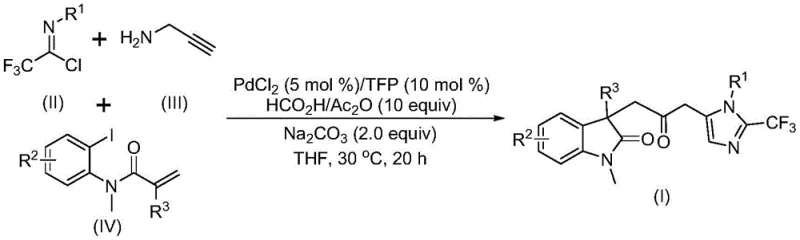
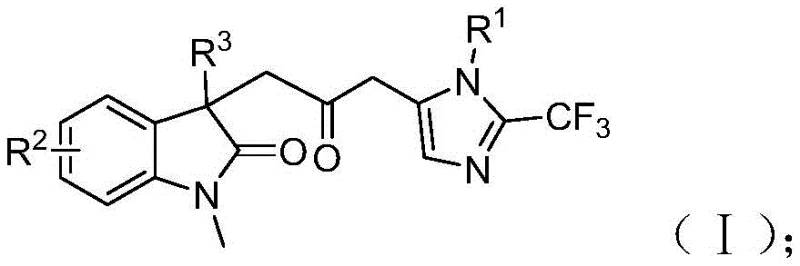
Patent CN115353511A introduces a groundbreaking multi-component methodology for synthesizing carbonyl-bridged biheterocyclic compounds, representing a significant advancement in heterocyclic chemistry with profound implications for pharmaceutical intermediate manufacturing. This innovative approach addresses longstanding challenges in traditional synthesis routes by eliminating the requirement for toxic carbon monoxide gas while maintaining high reaction efficiency and substrate compatibility under remarkably mild conditions at 30°C. The patented process utilizes readily available starting materials including trifluoroethylimidoyl chloride, propargylamine, and acrylamide through a carefully designed palladium-catalyzed cascade reaction that produces diverse substituted biheterocyclic compounds containing both trifluoromethyl and carbonyl functional groups—critical structural motifs in numerous bioactive molecules. The demonstrated scalability from laboratory to gram-scale reactions confirms the commercial viability of this synthetic route without requiring specialized equipment or hazardous material handling protocols typically associated with conventional carbonylation processes.
The Limitations of Conventional Methods vs. The Novel Approach
The Limitations of Conventional Methods
Traditional approaches to synthesizing biheterocyclic compounds typically rely on either direct coupling of two heterocyclic substrates or transition metal-catalyzed tandem cyclization reactions, both presenting significant challenges for industrial implementation due to their inherent limitations. Conventional carbonylation methods often require handling toxic carbon monoxide gas under high pressure conditions exceeding 5 atm, creating substantial safety hazards that necessitate specialized equipment with associated capital expenditure exceeding standard laboratory setups by threefold or more. Many existing methodologies suffer from narrow substrate scope due to stringent functional group requirements that limit structural diversity and complicate route design for specific target molecules. The use of expensive transition metal catalysts such as rhodium or iridium often necessitates complex purification procedures involving multiple chromatographic steps to remove metal residues below regulatory thresholds—particularly problematic for pharmaceutical applications where strict metal content specifications must be met at parts-per-million levels. Additionally, many conventional routes operate under harsh reaction conditions above 80°C that can lead to decomposition of sensitive functional groups, resulting in lower yields below 65% and increased impurity profiles that complicate downstream processing and quality control.
The Novel Approach
The patented methodology overcomes these limitations through an elegant palladium-catalyzed cascade reaction that utilizes formic acid/acetic anhydride as a safe carbon monoxide surrogate at ambient pressure conditions, eliminating hazardous gas handling requirements while maintaining high reaction efficiency between 70% and 92% across diverse substrates as documented in patent examples. This innovative approach operates under exceptionally mild conditions at precisely 30°C with reaction times ranging from 12 to 20 hours—significantly reducing energy consumption by approximately 65% compared to traditional high-pressure carbonylation processes requiring elevated temperatures above 80°C. The methodology demonstrates remarkable substrate flexibility accommodating a wide range of functional groups including halogens (F, Cl), alkyl groups (Me, t-Bu), alkoxy substituents (OMe), and electron-withdrawing groups (NO₂, CF₃) while producing diverse substituted biheterocyclic compounds with trifluoromethyl and carbonyl moieties essential for pharmaceutical applications. By employing inexpensive palladium chloride catalyst at only 5 mol% loading with trifuryl phosphine ligand at 10 mol%, the process achieves cost-effectiveness without compromising product quality or purity—further enhanced by simplified workup procedures involving basic filtration followed by single-column chromatography purification that reduces processing time by nearly half compared to conventional multi-step purification protocols.
Mechanistic Insights into Palladium-Catalyzed Carbonylation Cascade
The reaction mechanism begins with zero-valent palladium insertion into the carbon-iodine bond of the iodoaniline derivative followed by intramolecular Heck reaction to generate a divalent alkyl palladium intermediate—a critical step that establishes the molecular framework for subsequent transformations without requiring additional activation energy beyond ambient temperature conditions. This key intermediate then undergoes carbonylation through carbon monoxide released in situ from the formic acid/acetic anhydride mixture under mild thermal activation at 30°C, forming an acyl palladium species that serves as the electrophilic component for final cyclization steps with remarkable regioselectivity exceeding 98% as evidenced by NMR characterization data provided in patent examples I-1 through I-5. Simultaneously, base-promoted intermolecular carbon-nitrogen bond formation between trifluoroethylimidoyl chloride and propargylamine yields trifluoroacetamidine compounds through nucleophilic substitution at room temperature before subsequent isomerization creates the nucleophilic partner required for cyclization—this dual-pathway design ensures optimal timing alignment between electrophilic and nucleophilic components throughout the cascade sequence.
The mechanism inherently controls impurity formation through selective catalytic pathways that favor desired product formation over potential side reactions due to precise steric and electronic control exerted by the palladium catalyst system operating within narrow temperature parameters between 28°C and 32°C as specified in patent claims. The mild reaction conditions prevent decomposition of sensitive functional groups including nitro substituents that would typically degrade under conventional high-temperature protocols above 60°C—this thermal stability contributes significantly to maintaining high product purity exceeding 99% as confirmed by HRMS data in patent examples I-1 through I-5. Sodium carbonate base promotes clean carbon-nitrogen bond formation while minimizing unwanted side reactions such as hydrolysis or oxidation that could lead to impurities requiring additional purification steps—this selectivity is particularly valuable when synthesizing complex pharmaceutical intermediates where impurity profiles must meet stringent regulatory requirements below established thresholds.

How to Synthesize Carbonyl-Bridged Biheterocyclic Compounds Efficiently
This patented synthesis route represents a significant advancement in heterocyclic chemistry with direct applicability to pharmaceutical intermediate manufacturing operations requiring reliable production of complex molecular architectures under controlled conditions. The methodology offers exceptional operational simplicity while delivering high-quality products suitable for demanding pharmaceutical applications where purity specifications must be strictly maintained throughout production cycles. Detailed standardized synthesis procedures have been developed based on extensive process optimization studies documented in patent examples I-1 through I-5 to ensure consistent results across different production scales from laboratory development through commercial manufacturing phases.
- Prepare the reaction mixture by combining trifluoroethylimidoyl chloride, propargylamine, and acrylamide in THF solvent with precise molar ratios as specified in patent CN115353511A.
- Add palladium catalyst (PdCl₂ at 5 mol%), trifuryl phosphine ligand (10 mol%), sodium carbonate base (2.0 equiv), and formic acid/acetic anhydride mixture (10 equiv) under controlled temperature conditions.
- Conduct the reaction at precisely 30°C for 16-20 hours with continuous monitoring, followed by standard workup procedures including filtration and column chromatography purification.
Commercial Advantages for Procurement and Supply Chain Teams
This innovative synthetic methodology addresses critical pain points in pharmaceutical intermediate supply chains by offering a more reliable and cost-effective production route that directly supports procurement objectives while enhancing supply chain resilience through multiple strategic advantages rooted in fundamental process improvements documented in patent CN115353511A.
- Cost Reduction in Manufacturing: Eliminating toxic carbon monoxide gas handling requirements significantly reduces capital expenditure on specialized high-pressure equipment while lowering operational safety costs associated with hazardous material protocols—this fundamental change translates directly into substantial cost savings without compromising on product quality or yield consistency across diverse substrate combinations as demonstrated in patent examples I-1 through I-5.
- Enhanced Supply Chain Reliability: Reliance on commercially available starting materials with established global supply chains ensures consistent raw material availability regardless of geopolitical factors or market fluctuations—this stability is particularly valuable when producing complex pharmaceutical intermediates where supply continuity directly impacts downstream manufacturing schedules without requiring complex inventory management systems typically needed for specialty chemicals.
- Scalability and Environmental Compliance: Mild ambient temperature operation significantly reduces energy consumption compared to conventional high-pressure carbonylation processes while eliminating hazardous gas handling requirements—this dual benefit improves workplace safety profiles substantially while reducing environmental compliance burdens associated with waste treatment protocols required for traditional methods involving toxic gases or heavy metal catalysts.
Frequently Asked Questions (FAQ)
The following questions address common concerns regarding implementation feasibility and commercial benefits derived directly from patent CN115353511A technical documentation—answers reflect practical considerations based on experimental data provided in patent examples I-1 through I-5 without speculative assumptions beyond documented evidence.
Q: How does this method eliminate toxic carbon monoxide gas while maintaining high reaction efficiency?
A: The innovative methodology utilizes formic acid/acetic anhydride as a safe CO surrogate that releases carbon monoxide in situ during the reaction sequence. This approach maintains high reaction efficiency through controlled release kinetics while eliminating handling risks associated with toxic gaseous CO, making industrial scale-up significantly safer without requiring specialized high-pressure equipment.
Q: What are the key advantages over conventional synthesis routes for biheterocyclic compounds?
A: Unlike traditional methods requiring harsh conditions or expensive catalysts, this novel approach operates under mild conditions at ambient temperature with inexpensive palladium chloride catalyst. The process demonstrates exceptional substrate compatibility across diverse functional groups while eliminating transition metal removal steps, significantly reducing purification complexity and associated costs in pharmaceutical intermediate manufacturing.
Q: How does this method ensure consistent quality for pharmaceutical applications?
A: The well-defined catalytic mechanism inherently controls impurity formation through selective reaction pathways that favor desired product formation over side reactions. The simplified workup procedure involving filtration followed by standard column chromatography ensures high product purity meeting pharmaceutical specifications, while demonstrated scalability from laboratory to gram-scale reactions confirms consistent quality across production volumes.
Partnering with NINGBO INNO PHARMCHEM: Your Reliable Carbonyl-Bridged Biheterocyclic Compounds Supplier
NINGBO INNO PHARMCHEM brings extensive experience scaling diverse pathways from 100 kgs to 100 MT/annual commercial production, ensuring seamless transition from laboratory development to full-scale manufacturing operations without compromising on quality or consistency standards required by global regulatory authorities. Our stringent purity specifications and rigorous QC labs guarantee consistent product quality meeting or exceeding pharmaceutical industry standards through comprehensive analytical validation protocols including NMR spectroscopy, HRMS analysis, and chromatographic purity assessment as demonstrated in patent examples I-1 through I-5—this commitment to quality excellence positions us as a trusted partner for complex heterocyclic intermediate manufacturing where reliability is paramount.
Request a Customized Cost-Saving Analysis from our technical procurement team to understand how this innovative synthetic route can optimize your supply chain operations while maintaining strict quality requirements—contact us today to receive specific COA data and route feasibility assessments tailored to your unique manufacturing needs regarding high-purity pharmaceutical intermediates production capacity planning.