
Advanced Nickel-Catalyzed Asymmetric Nitration for High-Purity Pharmaceutical Intermediates
Advanced Nickel-Catalyzed Asymmetric Nitration for High-Purity Pharmaceutical Intermediates
The pharmaceutical industry continuously demands more efficient and stereoselective synthetic routes for complex heterocyclic scaffolds, particularly those containing quaternary carbon centers which are prevalent in bioactive molecules. A significant breakthrough in this domain is documented in Chinese patent CN113666862A, which discloses a novel method for preparing chiral 3-nitroindole compounds via a nickel-catalyzed asymmetric nitration reaction. This technology addresses critical limitations in existing synthetic methodologies by enabling the direct construction of chiral quaternary carbon centers bearing a nitro group in a single step. For R&D directors and procurement specialists seeking a reliable pharmaceutical intermediate supplier, this patent represents a pivotal shift towards more atom-economical and environmentally benign processes. The ability to access these high-value intermediates with excellent enantiomeric excess opens new avenues for the development of next-generation therapeutics, positioning this methodology as a cornerstone for modern organic synthesis strategies.
The Limitations of Conventional Methods vs. The Novel Approach
The Limitations of Conventional Methods
Historically, the synthesis of 3-nitro-2-oxindole derivatives has been plagued by significant challenges regarding regioselectivity and stereocontrol. Traditional nitration protocols often rely on harsh acidic conditions that can degrade sensitive functional groups, leading to complex impurity profiles that are difficult to remove during downstream processing. Furthermore, prior art methods, such as those utilizing copper nitrate or simple tert-butyl nitrite without chiral induction, invariably produce racemic mixtures. As illustrated in previous patent literature like CN107200705A and CN110590639A, these non-enantioselective routes fail to meet the stringent purity requirements of modern drug development. The production of racemic material not only wastes half of the synthesized mass but also necessitates costly and inefficient resolution steps to isolate the desired enantiomer. Additionally, the use of stoichiometric amounts of heavy metal salts in older methods generates substantial hazardous waste, creating severe environmental compliance burdens and escalating disposal costs for manufacturing facilities.
The Novel Approach
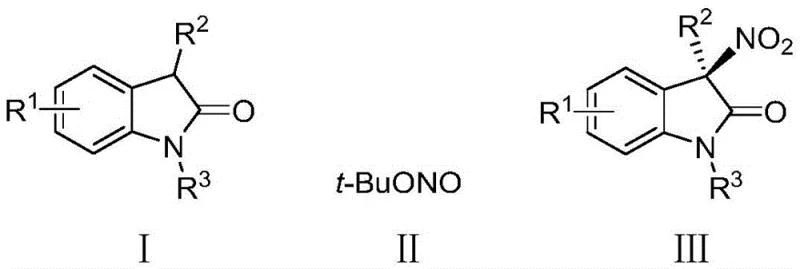
In stark contrast to these outdated techniques, the invention described in CN113666862A introduces a highly sophisticated catalytic system that achieves exceptional stereocontrol under remarkably mild conditions. The core of this innovation lies in the use of a divalent nickel catalyst in conjunction with a chiral PyBOX ligand, which facilitates the asymmetric introduction of the nitro group. This method operates effectively at low temperatures, typically around 0°C, thereby preserving the integrity of thermally labile substrates. The reaction utilizes tert-butyl nitrite as a safe and efficient nitro source, avoiding the hazards associated with mixed acid nitrations. By employing this catalytic cycle, manufacturers can directly access the desired chiral 3-nitroindole scaffold with high enantiomeric purity, eliminating the need for resolution. This streamlined approach not only enhances the overall yield of the active isomer but also drastically simplifies the post-reaction workup, making it an ideal candidate for cost reduction in pharmaceutical intermediate manufacturing.
Mechanistic Insights into Nickel-Catalyzed Asymmetric Nitration
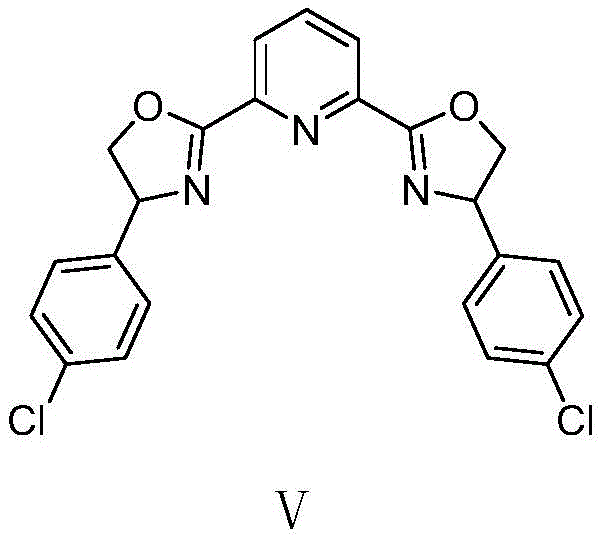
The success of this transformation hinges on the precise coordination chemistry between the nickel center and the chiral ligand environment. The catalytic cycle likely initiates with the coordination of the indole-2-one substrate to the nickel-ligand complex, activating the C3 position for nucleophilic attack. The chiral bis(oxazoline) ligand, specifically the (S)-4-Cl-Ph-PyBox derivative, creates a rigid steric pocket that discriminates between the two enantiotopic faces of the planar intermediate. This steric differentiation is crucial for inducing high levels of asymmetry, ensuring that the nitro group is installed with the correct absolute configuration. The presence of tert-butyl alcohol as an additive further modulates the reactivity of the nitrosating agent, potentially stabilizing transition states and suppressing background non-catalyzed reactions that would lead to racemization. Understanding these mechanistic nuances allows process chemists to fine-tune reaction parameters, such as solvent polarity and temperature, to maximize both conversion and enantioselectivity for diverse substrate classes.
Furthermore, the robustness of this catalytic system is evidenced by its tolerance to a wide array of electronic and steric variations on the substrate. The mechanism accommodates electron-withdrawing groups like halogens as well as electron-donating alkyl and alkoxy substituents on the aromatic ring without significant loss in performance. This versatility suggests that the rate-determining step is insensitive to moderate changes in substrate electronics, pointing towards a highly optimized catalytic manifold. The use of molecular sieves in the reaction mixture plays a critical role in maintaining anhydrous conditions, which is essential for preventing the hydrolysis of the reactive nitrosating species and the catalyst itself. By rigorously controlling moisture levels, the process ensures consistent reproducibility and high product quality, which are paramount considerations for any commercial scale-up of complex pharmaceutical intermediates intended for clinical applications.
How to Synthesize Chiral 3-Nitroindole Efficiently
Implementing this advanced synthetic route requires careful attention to reagent quality and reaction setup to achieve the reported high enantiomeric excess values. The protocol involves dissolving the indole-2-one starting material and tert-butyl nitrite in a dry aprotic solvent such as dichloromethane, followed by the addition of the nickel catalyst and the chiral ligand. The inclusion of activated molecular sieves is a critical operational detail that must not be overlooked, as it scavenges trace water that could otherwise deactivate the catalyst or promote side reactions. The reaction is typically conducted under an oxygen atmosphere at controlled low temperatures to maintain the stability of the reactive intermediates. While the specific stoichiometric ratios and purification details are critical for optimal results, the general workflow is designed to be scalable and robust. For a comprehensive understanding of the exact operational parameters required for your specific substrate, the detailed standardized synthesis steps are provided in the guide below.
- Prepare the reaction mixture by combining indole-2-one substrate, tert-butyl nitrite, nickel catalyst (NiCl2·DME), and chiral (S)-4-Cl-Ph-PyBox ligand in dichloromethane solvent.
- Add tert-butyl alcohol as an additive and 4Å molecular sieves to the reaction flask to ensure anhydrous conditions and enhance stereoselectivity.
- Stir the reaction under an oxygen atmosphere at 0°C for approximately 12 hours, then purify the crude product via silica gel column chromatography.
Commercial Advantages for Procurement and Supply Chain Teams
From a strategic sourcing perspective, this nickel-catalyzed methodology offers compelling advantages that directly address the pain points of modern supply chain management and cost control. The shift from precious metals like palladium to abundant and inexpensive nickel represents a fundamental improvement in raw material economics. Nickel salts are significantly cheaper and more readily available on the global market compared to palladium or rhodium catalysts, which are subject to volatile price fluctuations and supply constraints. This substitution alone drives a substantial reduction in the bill of materials for the final intermediate. Moreover, the mild reaction conditions eliminate the need for specialized high-pressure or high-temperature equipment, allowing production to occur in standard glass-lined reactors found in most multipurpose chemical plants. This compatibility with existing infrastructure reduces capital expenditure requirements and accelerates the timeline for technology transfer from the laboratory to commercial production scales.
- Cost Reduction in Manufacturing: The economic benefits of this process extend beyond just the cost of the catalyst. By achieving high enantioselectivity directly, the process obviates the need for chiral resolution steps, which typically involve additional reagents, solvents, and processing time, effectively doubling the material throughput required to obtain the same amount of pure product. The elimination of these downstream purification stages results in significant savings in solvent consumption and waste disposal fees. Furthermore, the high atom economy of using tert-butyl nitrite as a nitro source minimizes the generation of stoichiometric byproducts, aligning with green chemistry principles that are increasingly mandated by regulatory bodies. These cumulative efficiencies translate into a lower cost of goods sold (COGS), providing a competitive edge in pricing negotiations with downstream API manufacturers.
- Enhanced Supply Chain Reliability: Securing a stable supply of critical intermediates is a top priority for procurement managers, and this technology enhances reliability through the use of commodity chemicals. The primary reagents, including indole-2-ones and tert-butyl nitrite, are produced by multiple suppliers globally, mitigating the risk of single-source dependency. The robustness of the reaction against minor variations in operating conditions also contributes to supply security, as it reduces the likelihood of batch failures due to slight deviations in temperature or mixing rates. This operational resilience ensures consistent delivery schedules and helps maintain inventory levels within optimal ranges. Additionally, the scalability of the nickel-catalyzed system means that production volumes can be ramped up quickly to meet surges in demand without requiring extensive process re-engineering or long lead times for specialized equipment procurement.
- Scalability and Environmental Compliance: As environmental regulations become increasingly stringent, the ability to demonstrate a clean and sustainable manufacturing process is a key differentiator. This method generates significantly less hazardous waste compared to traditional nitration routes that utilize corrosive acids or generate heavy metal sludge. The use of a catalytic amount of nickel, which can potentially be recovered and recycled, further minimizes the environmental footprint of the synthesis. The mild conditions also reduce energy consumption associated with heating and cooling, contributing to a lower carbon footprint for the manufacturing site. These factors simplify the permitting process for new production lines and reduce the liability associated with environmental compliance. For multinational corporations with strict sustainability goals, adopting this greener synthetic route supports corporate social responsibility initiatives while ensuring uninterrupted operations in regions with tight environmental controls.
Frequently Asked Questions (FAQ)
The following questions address common technical and commercial inquiries regarding the implementation of this nickel-catalyzed asymmetric nitration technology. These insights are derived directly from the experimental data and technical specifications outlined in the patent documentation, providing a clear picture of the process capabilities and limitations. Understanding these details is essential for project managers evaluating the feasibility of integrating this route into their existing production portfolios. The answers cover aspects ranging from catalyst loading and ligand availability to substrate scope and purification strategies, ensuring that all stakeholders have the necessary information to make informed decisions.
Q: What are the advantages of using nickel catalysis over traditional nitration methods?
A: Unlike traditional methods that often yield racemic mixtures or require harsh conditions, this nickel-catalyzed approach provides high enantioselectivity (up to 94% ee) under mild conditions (0°C), significantly reducing purification costs and environmental impact.
Q: Is the chiral ligand commercially available for this process?
A: Yes, the specific ligand used, (S)-4-Cl-Ph-PyBox, is either commercially available or can be synthesized according to established literature procedures, ensuring reliable supply chain continuity for large-scale production.
Q: What is the substrate scope for this asymmetric nitration reaction?
A: The method demonstrates broad substrate tolerance, accommodating various substituents on the phenyl ring (halogens, alkyl, alkoxy) and different protecting groups on the nitrogen, making it versatile for diverse pharmaceutical intermediate synthesis.
Partnering with NINGBO INNO PHARMCHEM: Your Reliable Chiral 3-Nitroindole Supplier
At NINGBO INNO PHARMCHEM, we recognize the transformative potential of this nickel-catalyzed asymmetric nitration technology for the synthesis of high-value pharmaceutical intermediates. As a leading CDMO partner, we possess extensive experience scaling diverse pathways from 100 kgs to 100 MT/annual commercial production, ensuring that your project transitions smoothly from benchtop discovery to full-scale manufacturing. Our state-of-the-art facilities are equipped to handle air- and moisture-sensitive reactions required for this chemistry, and our rigorous QC labs enforce stringent purity specifications to guarantee that every batch meets the highest industry standards. We are committed to delivering chiral 3-nitroindole derivatives with the consistency and quality required for clinical and commercial applications, leveraging our deep expertise in transition metal catalysis to optimize yields and enantioselectivity for your specific needs.
We invite you to collaborate with us to explore how this innovative synthetic route can enhance your supply chain efficiency and reduce overall production costs. Our technical team is ready to provide a Customized Cost-Saving Analysis tailored to your specific volume requirements and quality targets. Please contact our technical procurement team today to request specific COA data for our catalog compounds or to discuss route feasibility assessments for your proprietary molecules. By partnering with NINGBO INNO PHARMCHEM, you gain access to a reliable supply of complex chiral intermediates backed by decades of chemical engineering excellence and a commitment to sustainable manufacturing practices.