
Scalable Metal-Free Synthesis of 3-Quinolyl-5-Trifluoromethyl-1,2,4-Triazole Derivatives for Pharmaceutical Applications
The pharmaceutical and fine chemical industries are constantly seeking robust synthetic routes for nitrogen-containing heterocycles, particularly 1,2,4-triazoles, due to their prevalence in bioactive molecular frameworks and functional materials. As highlighted in recent intellectual property developments, specifically patent CN113307790B, a significant breakthrough has been achieved in the preparation of 3-quinolyl-5-trifluoromethyl substituted 1,2,4-triazole compounds. These structures are not merely academic curiosities; they serve as critical scaffolds in drug discovery, acting as ligands for transition metals in OLEDs or as bidentate ligands in cross-coupling reactions. The strategic importance of these intermediates cannot be overstated, as they form the backbone of numerous therapeutic agents and advanced material precursors. This new methodology addresses long-standing inefficiencies in heterocyclic synthesis, offering a pathway that is both chemically elegant and commercially viable for global supply chains.
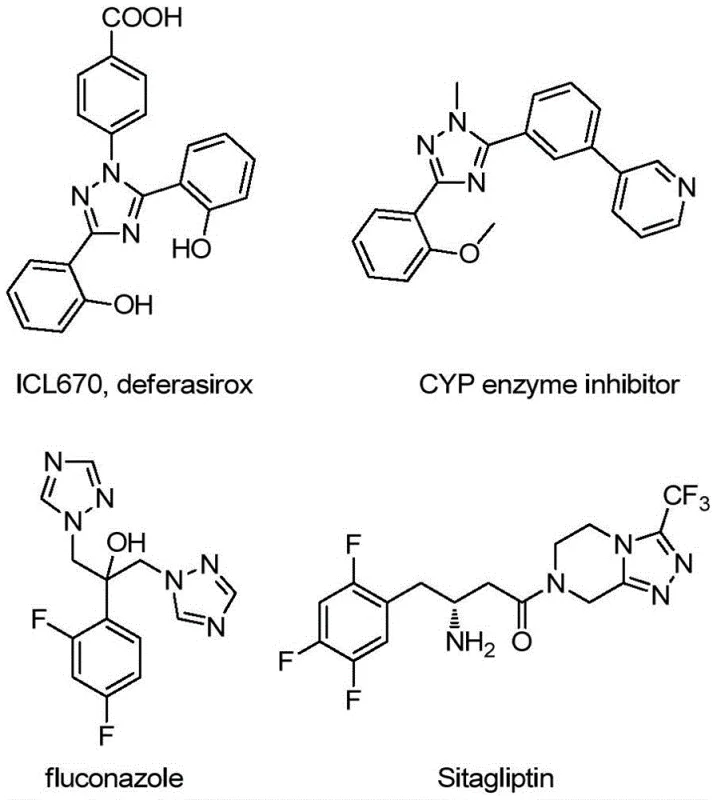
Historically, the synthesis of quinolyl-substituted 1,2,4-triazoles has been plagued by operational complexity and poor atom economy. Conventional methodologies typically rely on quinoline-2-carboxylic acid as the primary starting material, necessitating a cumbersome five-step reaction sequence to arrive at the desired target. This traditional approach suffers from severe reaction conditions that often require stringent control of parameters, leading to a dismal total yield of approximately 17%. Such low efficiency renders the process economically unfeasible for large-scale applications, creating bottlenecks in the production of high-purity pharmaceutical intermediates. Furthermore, the multi-step nature of the old process increases the accumulation of impurities, complicating downstream purification and driving up the cost of goods sold (COGS) for manufacturers relying on these legacy routes.
In stark contrast, the novel approach disclosed in the patent utilizes a direct oxidative cyclization strategy that fundamentally simplifies the synthetic landscape. By employing cheap and easily obtainable 2-methylquinoline and trifluoroethylimide hydrazide as starting materials, the reaction bypasses the need for pre-functionalized carboxylic acids. The core innovation lies in the use of tetrabutylammonium iodide (TBAI) and tert-butyl peroxide (TBHP) to promote the oxidative cyclization directly. This transformation is remarkably efficient, operating under mild thermal conditions between 80°C and 100°C. The reaction does not require anhydrous or oxygen-free environments, which drastically reduces the engineering controls needed for production. This shift from a multi-step, low-yield process to a direct, high-yield coupling represents a paradigm shift in how these valuable heterocycles can be manufactured for industrial applications.

Mechanistic Insights into TBAI/TBHP Promoted Oxidative Cyclization
The mechanistic pathway of this transformation is a fascinating example of metal-free catalysis driven by radical or electrophilic processes. In this system, tetrabutylammonium iodide and tert-butyl peroxide act synergistically to convert the methyl group of 2-methylquinoline into an aldehyde equivalent in situ, specifically forming 2-quinoline formaldehyde. This reactive intermediate then undergoes a condensation reaction with the trifluoroethylimide hydrazide to generate a dehydrated hydrazone intermediate. Subsequent oxidative iodination facilitates an intramolecular electrophilic substitution, followed by aromatization to yield the final 3-quinolyl-5-trifluoromethyl substituted 1,2,4-triazole. The inclusion of diphenylphosphoric acid as an additive plays a crucial role in stabilizing intermediates and promoting the cyclization efficiency. This mechanism avoids the use of toxic heavy metal catalysts like copper or palladium, which are common in traditional triazole synthesis, thereby eliminating the risk of heavy metal contamination in the final API.
From an impurity control perspective, this mechanism offers distinct advantages for R&D teams focused on purity profiles. Because the reaction proceeds through a well-defined oxidative cascade without transition metals, the impurity spectrum is significantly cleaner compared to metal-catalyzed alternatives. The absence of metal residues means that costly and time-consuming metal scavenging steps are rendered unnecessary during workup. Furthermore, the tolerance of the reaction to various functional groups on the aryl ring (R1) and the quinoline ring (R2) allows for the synthesis of diverse derivatives without compromising the integrity of sensitive moieties. Whether the substrate contains electron-donating groups like methoxy or electron-withdrawing groups like nitro and halogens, the system maintains high conversion rates. This robustness ensures that the impurity profile remains predictable and manageable, facilitating easier regulatory approval for pharmaceutical applications where strict limits on genotoxic impurities and heavy metals are enforced.
How to Synthesize 3-Quinolyl-5-Trifluoromethyl-1,2,4-Triazole Efficiently
The operational simplicity of this synthesis makes it highly attractive for process chemistry teams aiming to transfer technology from the lab to the pilot plant. The procedure involves charging a reactor with the requisite molar ratios of tetrabutylammonium iodide, tert-butyl peroxide aqueous solution, diphenylphosphoric acid, trifluoroethylimide hydrazide, and 2-methylquinoline in a suitable organic solvent such as DMSO. The mixture is then heated to the optimal temperature range and stirred for a defined period until conversion is complete. Post-reaction processing is straightforward, typically involving filtration to remove insoluble salts followed by standard purification techniques like column chromatography or recrystallization. The detailed standardized synthesis steps for implementing this protocol in your facility are outlined below.
- Mix tetrabutylammonium iodide (TBAI), tert-butyl peroxide (TBHP) aqueous solution, diphenylphosphoric acid, trifluoroethylimide hydrazide, and 2-methylquinoline in an organic solvent such as DMSO.
- Heat the reaction mixture to a temperature range of 80-100°C and maintain stirring for a duration of 8 to 14 hours to ensure complete conversion.
- Upon completion, filter the reaction mixture, mix with silica gel, and perform column chromatography purification to isolate the final 3-quinolyl-5-trifluoromethyl substituted 1,2,4-triazole compound.
Commercial Advantages for Procurement and Supply Chain Teams
For procurement managers and supply chain directors, the adoption of this synthetic route translates into tangible strategic benefits regarding cost structure and supply continuity. The elimination of expensive transition metal catalysts and the use of commodity chemicals as starting materials significantly lowers the raw material input costs. Additionally, the reduction in synthetic steps from five down to one drastically cuts down on labor, energy consumption, and solvent usage, leading to substantial cost savings in manufacturing operations. The ability to run the reaction without strict inert atmosphere requirements further reduces capital expenditure on specialized reactor equipment, making it accessible for a wider range of manufacturing partners. This economic efficiency positions the technology as a superior choice for cost reduction in pharmaceutical intermediate manufacturing.
- Cost Reduction in Manufacturing: The economic model of this process is driven by the replacement of precious metal catalysts with inexpensive organic salts like TBAI and common oxidants like TBHP. By removing the need for heavy metal catalysts, manufacturers avoid the significant costs associated with metal removal technologies and the disposal of hazardous metal waste. Furthermore, the high yield observed in this method, reaching up to 97% for certain substrates, maximizes the output per unit of raw material input, effectively lowering the cost per kilogram of the final product. This efficiency gain is compounded by the simplified workup procedure, which reduces solvent consumption and processing time, resulting in a leaner and more cost-effective production cycle.
- Enhanced Supply Chain Reliability: Supply chain resilience is bolstered by the use of starting materials that are commercially available in bulk quantities, such as 2-methylquinoline and various aromatic amines. Unlike specialized reagents that may have long lead times or single-source dependencies, the key inputs for this reaction are commodity chemicals with robust global supply networks. The operational flexibility of the reaction, which tolerates ambient moisture and oxygen to a degree, reduces the risk of batch failures due to environmental excursions. This reliability ensures consistent delivery schedules and minimizes the risk of production stoppages, providing a stable supply of high-purity intermediates for downstream drug synthesis.
- Scalability and Environmental Compliance: The environmental footprint of this process is markedly lower than traditional methods, aligning with modern green chemistry principles and regulatory expectations. The absence of toxic heavy metals simplifies waste treatment protocols and reduces the environmental liability associated with effluent discharge. The reaction's scalability has been demonstrated from gram-scale to potential ton-scale production, with the exothermic nature of the oxidation being manageable under standard industrial cooling conditions. This ease of scale-up, combined with the use of relatively benign solvents like DMSO which can be recovered and recycled, supports sustainable manufacturing practices and helps companies meet their corporate sustainability goals while maintaining high production volumes.
Frequently Asked Questions (FAQ)
The following questions address common technical and commercial inquiries regarding the implementation of this synthesis technology. These answers are derived directly from the experimental data and beneficial effects reported in the patent literature, providing clarity on the practical aspects of adopting this method. Understanding these details is crucial for technical teams evaluating the feasibility of integrating this route into their existing manufacturing portfolios.
Q: What are the advantages of this synthesis method over traditional routes?
A: Unlike traditional methods requiring quinoline-2-carboxylic acid which involve five steps and yield only 17%, this novel approach uses readily available 2-methylquinoline and achieves significantly higher yields (up to 97%) in a single step under mild conditions without heavy metal catalysts.
Q: Is this process suitable for large-scale manufacturing?
A: Yes, the process is highly scalable as it utilizes cheap, commercially available starting materials, operates under standard atmospheric conditions without the need for strict anhydrous or oxygen-free environments, and employs a simple post-treatment workflow involving filtration and chromatography.
Q: What catalytic system is employed in this reaction?
A: The reaction utilizes a metal-free catalytic system comprising tetrabutylammonium iodide (TBAI) as the iodide source and tert-butyl peroxide (TBHP) as the oxidant, promoted by diphenylphosphoric acid, thereby eliminating the need for toxic transition metal catalysts.
Partnering with NINGBO INNO PHARMCHEM: Your Reliable 3-Quinolyl-5-Trifluoromethyl-1,2,4-Triazole Supplier
At NINGBO INNO PHARMCHEM, we recognize the transformative potential of this metal-free oxidative cyclization technology for the production of complex heterocyclic intermediates. As a leading CDMO partner, we possess extensive experience scaling diverse pathways from 100 kgs to 100 MT/annual commercial production, ensuring that the transition from laboratory discovery to industrial reality is seamless. Our commitment to quality is unwavering, with stringent purity specifications enforced through our rigorous QC labs, guaranteeing that every batch of 3-quinolyl-5-trifluoromethyl-1,2,4-triazole meets the exacting standards required by the global pharmaceutical industry. We leverage our deep technical expertise to optimize reaction parameters further, ensuring maximum yield and minimal impurity formation for our clients.
We invite you to collaborate with us to leverage this advanced synthetic capability for your next project. Our team is ready to provide a Customized Cost-Saving Analysis tailored to your specific volume requirements, demonstrating how this efficient route can improve your bottom line. Please contact our technical procurement team today to request specific COA data for our catalog compounds or to discuss route feasibility assessments for your proprietary molecules. Let us be your partner in delivering high-quality chemical solutions with speed and precision.