
Scalable Synthesis of Polysubstituted Benzo[c,d]indole Intermediates via Palladium Catalysis
Scalable Synthesis of Polysubstituted Benzo[c,d]indole Intermediates via Palladium Catalysis
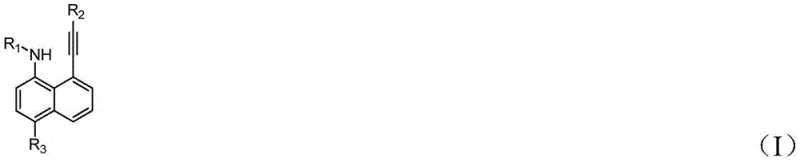
The pharmaceutical industry continuously seeks robust and scalable methods for constructing complex heterocyclic scaffolds, particularly those with proven biological activity such as benzo[c,d]indoles. Patent CN108329256B introduces a significant advancement in this domain by disclosing a highly efficient, one-pot synthetic method for preparing polysubstituted sulfur- or selenium-containing benzo[c,d]indole compounds. This technology addresses critical bottlenecks in the production of kinase inhibitors and anticancer agents by replacing harsh, multi-step traditional routes with a streamlined palladium-catalyzed cyclization. The core innovation lies in the direct coupling of 8-alkynyl naphthylamine derivatives with disulfides or diselenides, enabling the rapid assembly of these valuable pharmacophores under mild conditions. For R&D directors and procurement specialists, this represents a pivotal shift towards more sustainable and cost-effective manufacturing of high-value API intermediates.

![General structure of polysubstituted benzo[c,d]indole product (Formula III)](/insights/img/benzo-c-d-indole-synthesis-pd-catalysis-pharma-supplier-20260304151611-03.webp)
The Limitations of Conventional Methods vs. The Novel Approach
The Limitations of Conventional Methods
Historically, the synthesis of benzo[c,d]indole derivatives has been plagued by significant operational and safety challenges that hinder large-scale production. Traditional routes often rely on 1,8-naphthalic anhydride as a starting material, which necessitates a tedious multi-step conversion sequence involving hydroxylamine hydrochloride and subsequent harsh transformations. Other reported methods utilize toxic organotin reagents for cyclization aromatization, requiring extreme temperature fluctuations from cryogenic conditions (-78°C) to high heat (150°C), which poses severe safety risks and energy inefficiencies. Furthermore, alternative palladium-catalyzed approaches using carbon monoxide as a carbon source introduce substantial handling hazards due to the toxicity of CO gas, while often suffering from moderate yields and narrow substrate scope. These legacy processes result in complex waste streams, high purification costs, and unreliable supply chains for critical oncology intermediates.
The Novel Approach
In stark contrast, the methodology described in CN108329256B offers a transformative one-pot, one-step solution that drastically simplifies the synthetic landscape. By employing readily available 8-alkynyl naphthylamine compounds and disulfide or diselenide ethers, the reaction proceeds smoothly in a single vessel without the need for isolating unstable intermediates. The process operates under remarkably mild thermal conditions, typically between 60°C and 100°C, eliminating the need for cryogenic cooling or high-pressure equipment. This approach not only enhances operator safety by avoiding toxic tin reagents and carbon monoxide but also significantly improves atom economy and reaction selectivity. The broad tolerance for various substituents on the naphthylamine and sulfide components ensures wide substrate universality, making it an ideal platform for generating diverse libraries of bioactive molecules for drug discovery programs.
Mechanistic Insights into Pd-Catalyzed Cyclization
The success of this synthesis hinges on a sophisticated palladium-catalyzed cascade that facilitates the simultaneous formation of carbon-sulfur (or carbon-selenium) and carbon-carbon bonds. The mechanism likely initiates with the oxidative addition of the disulfide or diselenide bond to the active palladium species, generating a reactive Pd-thiolate or Pd-selenolate intermediate. This species then undergoes coordination with the alkyne moiety of the naphthylamine substrate, followed by migratory insertion to form a vinyl-palladium complex. Subsequent intramolecular nucleophilic attack by the nitrogen atom onto the activated alkyne system triggers the cyclization event, closing the indole ring. The presence of an iodine additive plays a crucial role in this catalytic cycle, potentially acting as an oxidant to regenerate the active Pd(II) species or facilitating the cleavage of the chalcogen-chalcogen bond, thereby driving the reaction to completion with high turnover numbers.
From an impurity control perspective, this mechanism offers distinct advantages over radical-based or high-temperature thermal cyclizations. The directed nature of the palladium coordination ensures high regioselectivity, minimizing the formation of isomeric byproducts that are difficult to separate. The mild reaction environment prevents the decomposition of sensitive functional groups, such as halogens or esters, which might otherwise degrade under the harsh conditions of conventional methods. Furthermore, the use of aprotic polar solvents like dimethyl sulfoxide (DMSO) enhances the solubility of polar intermediates and stabilizes the transition states, leading to cleaner reaction profiles. This high level of chemical fidelity translates directly to simplified downstream processing, as the crude reaction mixtures contain fewer side products, reducing the burden on purification teams and improving overall process mass intensity.
How to Synthesize Polysubstituted Benzo[c,d]indole Efficiently
The practical implementation of this synthesis is designed for ease of execution in both laboratory and pilot plant settings. The protocol requires standard glassware and heating equipment, avoiding the need for specialized high-pressure reactors. Operators simply combine the 8-alkynyl naphthylamine substrate, the chosen disulfide or diselenide reagent, a catalytic amount of palladium chloride, and an iodine additive in a suitable solvent. The detailed standardized synthesis steps, including precise molar ratios and workup procedures, are outlined in the guide below to ensure reproducible high-yielding results.
- Mix 8-alkynyl naphthylamine, disulfide (or diselenide), Pd catalyst (e.g., PdCl2), and iodine additive in an aprotic solvent like DMSO.
- Heat the reaction mixture in an oil bath at temperatures between 60°C and 100°C for up to 24 hours until completion.
- Cool to room temperature, extract with dichloromethane, remove solvent under reduced pressure, and purify via silica gel chromatography.
Commercial Advantages for Procurement and Supply Chain Teams
For procurement managers and supply chain leaders, the adoption of this patented technology offers tangible strategic benefits that extend beyond mere chemical elegance. The elimination of exotic or hazardous reagents like organotin compounds and carbon monoxide significantly reduces the regulatory burden and safety compliance costs associated with raw material handling and waste disposal. By utilizing commodity chemicals such as disulfides and simple naphthylamines, manufacturers can secure a more resilient supply chain that is less susceptible to geopolitical disruptions or vendor monopolies. The robustness of the reaction conditions allows for flexible scheduling and easier technology transfer between sites, ensuring consistent supply continuity for downstream API production.
- Cost Reduction in Manufacturing: The one-pot nature of this synthesis eliminates multiple isolation and purification steps required in traditional multi-step routes, leading to substantial reductions in solvent consumption, labor hours, and equipment occupancy time. The use of catalytic amounts of palladium, rather than stoichiometric quantities of expensive or toxic metals, further drives down the raw material cost per kilogram of product. Additionally, the high yields reported in the patent examples minimize the loss of valuable starting materials, optimizing the overall process economics and delivering significant cost savings in pharmaceutical intermediate manufacturing.
- Enhanced Supply Chain Reliability: The starting materials, specifically 8-alkynyl naphthylamines and diaryl disulfides, are commercially available or easily synthesized from bulk chemicals, reducing dependency on niche suppliers. The mild reaction temperatures (60°C to 100°C) allow the process to be run in standard stainless steel reactors without the need for specialized cryogenic or high-pressure infrastructure, broadening the base of qualified contract manufacturing organizations (CMOs) capable of producing these intermediates. This flexibility ensures that supply chains remain agile and responsive to fluctuating market demands for anticancer therapeutics.
- Scalability and Environmental Compliance: The process generates significantly less hazardous waste compared to tin-mediated or CO-dependent methods, aligning with modern green chemistry principles and stringent environmental regulations. The absence of heavy metal contaminants like tin simplifies the purification process and ensures that the final product meets rigorous purity specifications required for clinical applications. The scalability of the reaction from gram to kilogram scales has been demonstrated through varied examples, confirming its viability for commercial scale-up of complex pharmaceutical intermediates without compromising safety or quality.
![Example 1 reaction scheme showing synthesis of sulfur-containing benzo[c,d]indole](/insights/img/benzo-c-d-indole-synthesis-pd-catalysis-pharma-supplier-20260304151611-06.webp)
![Example 5 reaction scheme showing synthesis of selenium-containing benzo[c,d]indole](/insights/img/benzo-c-d-indole-synthesis-pd-catalysis-pharma-supplier-20260304151611-010.webp)
Frequently Asked Questions (FAQ)
The following questions address common technical and commercial inquiries regarding the implementation of this synthesis technology. These answers are derived directly from the experimental data and claims within patent CN108329256B, providing a reliable foundation for process development decisions. Understanding these nuances is essential for evaluating the feasibility of integrating this route into existing manufacturing portfolios.
Q: What are the key advantages of this benzo[c,d]indole synthesis method?
A: The method utilizes a one-pot, one-step process with mild reaction conditions (60-100°C) and avoids toxic reagents like tin or carbon monoxide, offering high yields and broad substrate universality suitable for industrial scale-up.
Q: Can this method produce both sulfur and selenium containing compounds?
A: Yes, the protocol is versatile and accommodates both disulfides and diselenides as reactants, allowing for the efficient synthesis of both sulfur-containing and selenium-containing benzo[c,d]indole derivatives.
Q: What catalysts are effective for this transformation?
A: While various silver and copper salts can be used, palladium chloride (PdCl2) is identified as the preferred catalyst, often used in conjunction with an iodine additive to maximize reaction efficiency and yield.
Partnering with NINGBO INNO PHARMCHEM: Your Reliable Benzo[c,d]indole Supplier
NINGBO INNO PHARMCHEM stands at the forefront of translating advanced academic research into commercial reality, possessing extensive experience scaling diverse pathways from 100 kgs to 100 MT/annual commercial production. Our technical team is uniquely qualified to adapt the palladium-catalyzed cyclization described in CN108329256B to meet your specific volume and purity requirements. We operate stringent purity specifications and maintain rigorous QC labs to ensure that every batch of benzo[c,d]indole intermediate meets the exacting standards of the global pharmaceutical industry, guaranteeing consistency and reliability for your drug development pipeline.
We invite you to collaborate with us to leverage this cutting-edge synthesis for your next-generation oncology programs. Contact our technical procurement team today to request a Customized Cost-Saving Analysis tailored to your project needs. We are ready to provide specific COA data and comprehensive route feasibility assessments to help you accelerate your timeline to market while optimizing your manufacturing budget.