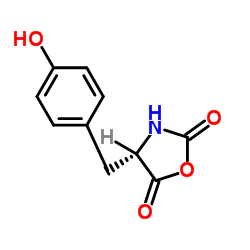
(S)-4-(4-Hydroxybenzyl)oxazolidine-2,5-dione
- CAS No.3415-08-5
- GradeIndustrial / Pharmaceutical
- Availability● In Stock
High-purity L-Tyrosine NCA derivative designed for efficient peptide synthesis and pharmaceutical research applications.
Request Bulk PricingProduct Technical Details
Product Overview
(S)-4-(4-Hydroxybenzyl)oxazolidine-2,5-dione, commonly recognized in the industry as L-Tyrosine N-carboxyanhydride (Tyrosine NCA), represents a critical building block in the field of advanced peptide chemistry. This specialized amino acid derivative is engineered to facilitate the precise polymerization and synthesis of polypeptides containing tyrosine residues. Our manufacturing process ensures exceptional stereochemical integrity, maintaining the (S)-configuration essential for biological activity and downstream pharmaceutical efficacy.
As a leading global manufacturer, we understand the rigorous demands of modern drug discovery and material science. This compound serves as a fundamental reactant for researchers developing bioactive peptides, protein mimics, and specialized pharmaceutical intermediates. The high purity standards maintained during production minimize side reactions, ensuring optimal yields in complex synthesis routes.
Technical Specifications
Quality control is paramount in the production of sensitive chemical intermediates. Each batch undergoes stringent analytical testing to verify compliance with international pharmaceutical standards. The following table outlines the key physical and chemical parameters guaranteed for this product.
| Parameter | Specification |
|---|---|
| CAS Number | 3415-08-5 |
| Molecular Formula | C10H9NO4 |
| Molecular Weight | 207.18 g/mol |
| Appearance | White to off-white powder |
| Purity (HPLC) | ≥98.0% |
| Water Content | ≤1.0% |
| Loss on Drying | ≤0.5% |
| Melting Point | 185-195°C |
| Density | 1.423 g/cm3 |
Industrial Applications
This oxazolidine dione derivative is primarily utilized in the synthesis of peptides where tyrosine incorporation is required. The N-carboxyanhydride (NCA) functionality allows for ring-opening polymerization, a technique widely employed in the creation of synthetic polypeptides for biomedical applications. These materials are often investigated for their potential in drug delivery systems, tissue engineering scaffolds, and as active pharmaceutical ingredients (APIs) in development.
- Facilitates efficient peptide bond formation in research settings.
- Supports the development of novel therapeutic agents targeting protein pathways.
- Used in the creation of biomaterials with specific mechanical and chemical properties.
- Essential for laboratories focusing on amino acid modification and conjugation.
Storage and Handling
To maintain stability and prevent degradation, proper storage conditions are essential. This product should be kept in a tightly closed container within a cool, dry environment. We recommend storage at approximately 0°C to preserve the reactivity of the anhydride group. Moisture sensitivity requires that the container be opened only in a dry atmosphere, such as a glove box or under inert gas protection, to prevent hydrolysis.
Packaging is available in 25 kg drums as standard, with flexible options to meet specific customer logistical requirements. We provide comprehensive documentation, including Certificates of Analysis (COA), to support regulatory compliance and quality assurance protocols for our global partners.