2-Phosphonobutane-1,2,4-Tricarboxylic Acid
- CAS No.37971-36-1
- GradeIndustrial / Pharmaceutical
- Availability● In Stock
High-performance phosphonate carboxylic acid copolymer for superior scale and corrosion inhibition in industrial water systems.
Request Bulk PricingProduct Technical Details
Product Overview
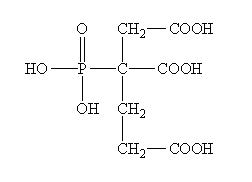
2-Phosphonobutane-1,2,4-Tricarboxylic Acid, commonly known as PBTC or PBTCA, represents a significant advancement in organophosphorus water treatment chemistry. This specialized compound combines the structural benefits of both phosphonic acid and carboxylic acid groups within a single molecule. Designed for demanding industrial environments, PBTC offers exceptional stability and performance where traditional inhibitors may fail. Our manufacturing process ensures high purity and consistent quality, making it a reliable choice for global water treatment applications.
The unique molecular architecture of PBTC provides superior chelating capabilities, allowing it to effectively bind with metal ions such as calcium, magnesium, and zinc. This property is critical for preventing the formation of insoluble scales that can reduce heat exchange efficiency and damage equipment. Furthermore, its low phosphorus content compared to conventional organophosphonates aligns with increasingly stringent environmental regulations regarding phosphorus discharge.
Key Features and Benefits
- Exceptional thermal stability under high-temperature conditions, outperforming standard organophosphines.
- Superior scale inhibition properties even in waters with high hardness and high alkalinity.
- Excellent corrosion inhibition capabilities, protecting metal surfaces from oxidative damage.
- Acts as a powerful zinc stabilizer, preventing the precipitation of zinc hydroxide in cooling systems.
- High tolerance to chlorine oxidation, ensuring longevity in systems using biocides.
- Synergistic effects when compounded with polymers, zinc salts, and other water treatment additives.
- Low dosage requirements typically between 5 to 15 mg per liter for optimal performance.
Technical Specifications
| Parameter | Specification |
|---|---|
| Appearance | Clear, colorless to pale yellow aqueous solution |
| Active Acid Content | 50.0% min |
| Phosphorous Acid (as PO3) | 0.5% max |
| Phosphoric Acid (as PO4) | 0.2% max |
| Density (20°C) | 1.27 g/cm3 min |
| pH (1% Water Solution) | 1.5 to 2.0 |
| Iron (Fe) | 10.0 mg/L max |
| Chloride | 10.0 mg/L max |
| Molecular Formula | C7H11O9P |
| Molecular Weight | 270.13 |
Industrial Applications
PBTC is widely utilized as a high-efficiency scale and corrosion inhibitor in circulating cooling water systems and oilfield refill water systems. Its ability to function effectively under conditions of high temperature, high hardness, and high concentration index makes it indispensable for power plants, petrochemical facilities, and steel mills. In these settings, maintaining heat exchanger efficiency is paramount, and PBTC ensures sustained operational performance by preventing scale buildup on critical surfaces.
Beyond cooling systems, PBTC serves as an excellent stabilizer for zinc salts. When used in combination with zinc salts and copolymers, it enhances the overall protective film formation on metal surfaces. In the laundering and detergent industry, it functions as a chelating agent and metal detergent, improving cleaning efficiency by sequestering metal ions that interfere with surfactant activity. Its compatibility with organophosphines, imidazoles, and other water treatment chemicals allows for flexible formulation strategies tailored to specific water quality challenges.
Storage and Handling
PBTC is typically supplied in 200-liter plastic drums or IBC totes containing 1000 liters, with custom packaging available upon request. The product should be stored in a shady, dry room away from direct sunlight and extreme temperatures to maintain stability over its one-year shelf life. As an acidic substance, appropriate safety precautions must be taken during handling. Personnel should wear protective equipment to avoid contact with eyes and skin. In the event of contact, the affected area should be flushed immediately with plenty of water. Proper ventilation is recommended during transfer operations to ensure a safe working environment.