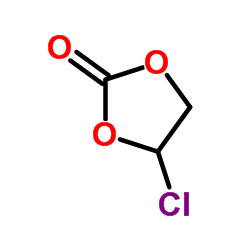
4-Chloro-1,3-dioxolan-2-one
- CAS No.3967-54-2
- GradeIndustrial / Pharmaceutical
- Availability● In Stock
High-purity 4-Chloro-1,3-dioxolan-2-one serves as a critical electrolyte additive for lithium-ion batteries and a versatile synthesis intermediate for advanced organic compounds.
Request Bulk PricingProduct Technical Details
Product Overview
4-Chloro-1,3-dioxolan-2-one, commonly known in the industry as Chloroethylene Carbonate (CEC), is a high-value organic compound essential to the modern energy storage sector. As a specialized chemical entity, it plays a pivotal role in enhancing the performance and longevity of lithium-ion battery systems. Our manufacturing process ensures exceptional purity levels, making this product suitable for demanding electrochemical applications as well as serving as a key precursor in the synthesis of other vital carbonate derivatives.
This compound is characterized by its stable chemical structure and reactive chloro group, which facilitates specific functionalization reactions. In the context of battery technology, it contributes to the formation of a robust Solid Electrolyte Interphase (SEI) layer, thereby improving cycle life and safety profiles. We adhere to strict quality control protocols to guarantee consistency across every batch supplied to our global partners.
Technical Specifications
| Parameter | Specification |
|---|---|
| CAS Number | 3967-54-2 |
| Molecular Formula | C3H3ClO3 |
| Molecular Weight | 122.51 g/mol |
| Appearance | Light yellow liquid |
| Density | 1.504 g/mL at 25 °C |
| Boiling Point | 121-123 °C at 18 mm Hg |
| Refractive Index | n20/D 1.454 |
| Purity (GC) | ≥80% Monochloroethylene carbonate |
| Impurities | ≤8% Dichloroethylene carbonate, ≤6% EC |
Industrial Applications
The primary application of 4-Chloro-1,3-dioxolan-2-one lies within the lithium-ion battery supply chain. It is utilized as an effective electrolyte additive that enhances the electrochemical stability of the battery cell. By participating in the reduction processes during the initial charging cycles, it helps create a protective film on the anode surface, which prevents further electrolyte decomposition and reduces impedance growth over time.
Beyond direct battery usage, this chemical acts as a crucial intermediate in the manufacturing of Vinylene Carbonate (VC) and Fluoroethylene Carbonate (FEC). These downstream products are equally significant in high-performance battery formulations. Additionally, organic synthesis laboratories leverage this compound for developing various fine chemicals where a chloro-substituted cyclic carbonate structure is required. Its versatility makes it a staple in advanced material science research and development.
Quality Assurance and Storage
We understand that moisture and oxidation can compromise the integrity of carbonate chemicals. Therefore, our product is packaged in 250kg plastic-lined steel drums or equivalent plastic drums, sealed under a nitrogen atmosphere to prevent degradation. Storage recommendations include keeping the containers in a cool, ventilated, and dry environment away from direct sunlight and incompatible materials.
Every shipment is accompanied by a comprehensive Certificate of Analysis (COA) verifying all physical and chemical parameters. Our commitment to safety and quality ensures that clients receive materials that meet international standards for industrial and research applications. For bulk procurement or custom synthesis requirements, our technical team is available to provide detailed formulation guides and performance benchmarks.