Photoinitiator DEAP
- CAS No.6175-45-7
- GradeIndustrial / Pharmaceutical
- Availability● In Stock
Photoinitiator DEAP is a high-efficiency UV curing agent designed for coatings, inks, and varnishes, offering superior compatibility and rapid polymerization.
Request Bulk PricingProduct Technical Details
Product Overview
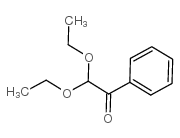
Photoinitiator DEAP, chemically known as 2,2-Diethoxyacetophenone, stands as a premier solution in the realm of ultraviolet curing technologies. As a critical component in modern industrial chemistry, this compound facilitates the rapid polymerization of monomers and oligomers upon exposure to UV light. Our manufacturing process ensures high purity levels, making it an ideal choice for demanding applications where consistency and performance are paramount. The substance presents as a light yellow transparent liquid, characterized by its stability and ease of integration into various chemical formulations.
Engineered for professionals in the coatings and printing industries, this photoinitiator delivers reliable initiation efficiency. It is specifically designed to function effectively within complex matrices, ensuring that the final cured product meets rigorous quality standards. Whether used in wood finishes, plastic coatings, or metal varnishes, Photoinitiator DEAP provides the necessary reactivity to achieve optimal curing speeds without compromising the physical properties of the substrate.
Technical Specifications
| Parameter | Value |
|---|---|
| Chemical Name | 2,2-Diethoxyacetophenone |
| CAS Number | 6175-45-7 |
| Molecular Formula | C12H16O3 |
| Molecular Weight | 208.25 g/mol |
| Appearance | Light yellow transparent liquid |
| Assay | ≥98.0% |
| Density | 1.034 g/mL at 25 °C |
| Boiling Point | 131-134 °C at 10 mm Hg |
| Refractive Index | n20/D 1.499 |
Industrial Applications
The versatility of Photoinitiator DEAP allows it to serve across a broad spectrum of industrial sectors. Its primary utility lies in UV-curable systems where rapid processing times are essential. Common applications include protective varnishes for wood flooring and furniture, where durability and aesthetic finish are critical. In the plastic industry, it is employed to cure coatings on consumer electronics and automotive components, providing resistance against scratches and environmental factors.
Furthermore, this photoinitiator is extensively used in metal varnishes and printing inks. Its compatibility with various oligomers and reactive diluents ensures uniform curing throughout the material thickness. This characteristic is vital for preventing issues such as tackiness or incomplete polymerization, which can lead to product failure. Manufacturers seeking to optimize their production lines will find this product to be a reliable partner in achieving high-throughput curing processes.
Key Advantages
- High photoreactivity ensures fast curing speeds under UV exposure.
- Excellent compatibility with a wide range of resins and diluents.
- Low volatility reduces odor and emissions during the curing process.
- Consistent quality supports stable manufacturing outcomes.
- Non-hazardous transport classification simplifies logistics and storage.
Storage and Handling
To maintain the integrity of Photoinitiator DEAP, proper storage conditions are essential. The product should be kept in a cool, dry, and well-ventilated area away from direct sunlight and heat sources. Containers must remain tightly closed when not in use to prevent contamination or moisture absorption. While classified as non-dangerous goods for transport, standard industrial safety protocols should be followed during handling. We offer flexible packaging options, including 25kg drums, and can customize packaging solutions to meet specific customer requirements. As a global manufacturer, we provide comprehensive documentation, including Certificates of Analysis, to ensure full compliance with your quality assurance procedures.