UV Absorber UV-312
- CAS No.23949-66-8
- GradeIndustrial / Pharmaceutical
- Availability● In Stock
High-purity UV Absorber UV-312 (CAS 23949-66-8) designed for superior light stabilization in plastics and coatings. Offers excellent thermal stability and compatibility.
Request Bulk PricingProduct Technical Details
Product Overview
UV Absorber UV-312 represents a top-tier solution in the realm of light stabilization for polymeric materials. Designed to mitigate the detrimental effects of ultraviolet radiation, this chemical additive ensures the longevity and aesthetic preservation of various industrial products. Our manufacturing process guarantees a purity level exceeding 98 percent, making it an ideal choice for demanding applications where performance consistency is paramount. The compound exhibits excellent thermal stability and compatibility with a broad spectrum of resin systems, ensuring that it integrates seamlessly into complex formulations without compromising material integrity.
Technical Specifications
| Parameter | Value |
|---|---|
| Appearance | White crystalline powder |
| Purity | ≥98% (HPLC) |
| Melting Point | 124-127℃ |
| Ash Content | ≤0.1% |
| Drying Loss | ≤0.5% |
| Transmittance (460nm) | ≥95% |
| Transmittance (500nm) | ≥97% |
Industrial Applications
This versatile UV absorber is extensively utilized across the plastics and coatings industries. In the plastics sector, it provides robust protection for polyamide, rigid and flexible PVC, thermoplastic and thermoset polyester, and polyurethane formulations. It is also highly effective in adhesives and sealing compounds. For the coatings industry, UV-312 is suitable for powder coatings and solvent-based systems, finding widespread use in automotive finishes, industrial maintenance paints, and architectural coatings. Its ability to maintain clarity and prevent yellowing makes it indispensable for high-quality finishes that require long-term outdoor exposure.
Usage Guidelines and Synergy
The recommended addition level typically ranges from 0.1 to 1.0 percent, depending on the specific substrate and exposure conditions. In coating applications, formulations often include 0.5 to 3.5 percent of UV-312 combined with 0.5 to 2.0 percent of hindered amine light stabilizers (HALS). This synergistic approach maximizes protection against photo-oxidative degradation. Users should conduct appropriate testing to determine the optimal concentration for their specific formulation requirements. Proper dispersion is key to achieving uniform protection throughout the material matrix.
Mechanism and Quality Assurance
Understanding the mechanism of UV absorption is critical for formulators. UV-312 functions by absorbing harmful UV radiation and dissipating it as harmless thermal energy, thereby preventing the breaking of polymer chains. This process significantly reduces the risk of cracking, chalking, and loss of mechanical strength in end products. By integrating this stabilizer, manufacturers can extend the service life of outdoor products, reducing warranty claims and enhancing brand reputation. Our commitment to quality ensures that every batch undergoes rigorous testing. We employ high-performance liquid chromatography (HPLC) to verify purity levels and spectrophotometry to confirm transmittance values. This strict quality control protocol ensures that the material performs consistently across different production runs.
Storage and Handling
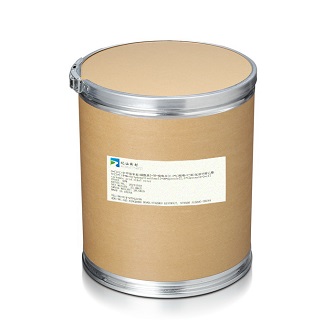
UV-312 demonstrates excellent storage stability under recommended conditions. To maintain product integrity, it should be stored in a cool, dry, and well-ventilated environment. Exposure to high temperatures and humidity must be avoided during both storage and transportation. The product is classified as non-dangerous goods, facilitating easier logistics. Standard packaging includes 20kg cardboard drums or 25kg cartons, ensuring safe delivery to global manufacturing facilities. When compounding, it is advisable to introduce UV-312 during the early stages of processing to ensure homogeneous distribution. Compatibility tests with other additives, such as antioxidants and pigments, should be performed to avoid any adverse interactions. The low ash content and minimal drying loss contribute to the overall cleanliness of the final product, which is particularly important for transparent or light-colored applications where visual defects are easily noticeable.