UV Absorber UV-326
- CAS No.3896-11-5
- GradeIndustrial / Pharmaceutical
- Availability● In Stock
High-purity UV Absorber UV-326 (CAS 3896-11-5) offers superior light stabilization for plastics and resins. Ideal for transparent applications with food contact compliance.
Request Bulk PricingProduct Technical Details
Product Overview
UV Absorber UV-326 is a high-performance benzotriazole derivative designed to provide exceptional protection against ultraviolet degradation in various polymer systems. With a CAS number of 3896-11-5, this light stabilizer effectively absorbs harmful UV radiation within the 270 to 380 nanometer wavelength range. Its unique chemical structure ensures minimal absorption of visible light, making it the preferred choice for manufacturing colorless, transparent, and high-clarity products where aesthetic quality is paramount.
As a leading manufacturer, we ensure that every batch undergoes rigorous quality control to maintain purity levels exceeding 99 percent. This product serves as a reliable equivalent to major industry benchmarks, offering consistent performance in demanding environmental conditions. Its compatibility with a wide range of resins allows formulators to enhance product longevity without compromising optical properties.
Key Specifications
| Parameter | Specification |
|---|---|
| Appearance | Light yellow powder or particle |
| Purity (Content) | ≥ 99.0% |
| Melting Point | 138-142°C |
| Volatile Matter | ≤ 0.5% |
| Ash Content | ≤ 0.1% |
| Transmittance (460nm) | ≥ 97% |
| Transmittance (500nm) | ≥ 98% |
Industrial Applications
This versatile stabilizer is extensively used across the plastics and coatings industries. It is particularly effective in polyurethane, polystyrene, unsaturated polyester resins, polycarbonate, and polymethyl methacrylate systems. Additionally, it demonstrates excellent performance in polyethylene, ABS resin, epoxy resin, and cellulose-based materials. Due to its low toxicity profile, UV-326 is approved for use in plastic products intended for food contact, adhering to relevant safety regulations.
The primary benefit lies in its ability to prevent yellowing and mechanical property loss caused by prolonged sun exposure. This makes it indispensable for automotive components, outdoor construction materials, and packaging films where durability and appearance are critical.
Usage Guidelines and Storage
For optimal results, the recommended dosage varies based on product thickness. In thin films or sheets, a concentration of 0.1 to 0.5 percent is typically sufficient. For thicker molded products, a lower dosage range of 0.05 to 0.2 percent is advised to achieve maximum stabilization efficiency. Users should integrate the additive during the compounding phase to ensure uniform dispersion.
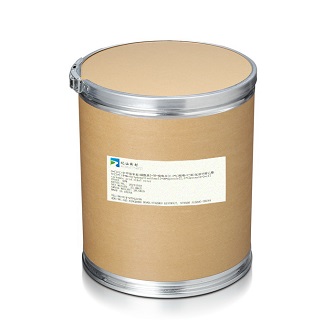
Regarding storage, the product should be kept in a cool, well-ventilated warehouse away from direct heat sources. It is essential to maintain waterproof and moisture-proof conditions during transportation and storage to preserve chemical integrity. Packaging is standardized in cardboard drums lined with plastic bags, with a net weight of 20 kilograms per unit. This material is classified as non-dangerous goods, facilitating straightforward logistics and handling.