
Advanced Synthesis of Selective PDE IV Inhibitor Intermediates for Commercial Asthma Therapeutics
The pharmaceutical landscape for respiratory diseases has long sought agents that provide potent bronchodilation without the severe cardiovascular liabilities associated with earlier generations of medication. Patent CN1127498C represents a significant technological breakthrough in this domain, disclosing a novel class of pyridine derivatives that exhibit highly selective inhibitory activity against phosphodiesterase IV (PDE IV). Unlike broad-spectrum inhibitors, these compounds are engineered to target specific isozyme gene families predominantly found in bronchial smooth muscle and inflammatory cells. This specificity is crucial for developing next-generation anti-asthmatic therapeutics that minimize systemic toxicity. For R&D directors and procurement specialists, understanding the chemical architecture and synthetic accessibility of these intermediates is paramount for securing a reliable supply chain for future drug development programs.
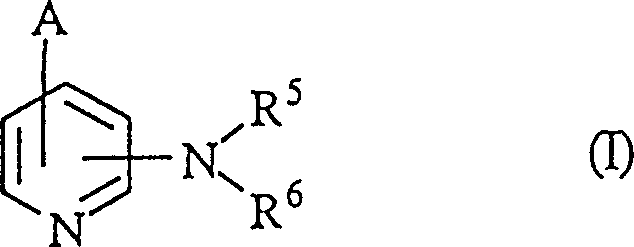
The strategic value of this patent lies not only in the biological efficacy of the final compounds but also in the robustness of the synthetic methodologies provided. The document outlines multiple distinct pathways (Methods A, B, and C) to construct the complex heterocyclic cores required for biological activity. These pathways leverage well-established organic transformations such as copper-catalyzed coupling and acid-mediated cyclization, which are known for their scalability and reproducibility in an industrial setting. By providing detailed embodiments ranging from gram-scale laboratory preparations to potential multi-kilogram batches, the patent offers a clear roadmap for commercializing these high-value pharmaceutical intermediates.
The Limitations of Conventional Methods vs. The Novel Approach
The Limitations of Conventional Methods
Historically, the management of bronchial asthma relied heavily on non-selective phosphodiesterase inhibitors such as theophylline. While effective in relaxing bronchial smooth muscle, these agents suffer from a narrow therapeutic index due to their lack of selectivity among the seven different PDE isozyme gene families. This non-specificity leads to significant off-target effects, particularly on the cardiovascular system, manifesting as hypertension, tachycardia, and other cardiac arrhythmias. Furthermore, conventional synthesis routes for heterocyclic asthma medications often involve harsh reaction conditions, expensive transition metal catalysts that are difficult to remove, or low-yielding steps that generate substantial chemical waste. These factors collectively drive up the cost of goods sold (COGS) and complicate the regulatory approval process due to impurity profile concerns.
The Novel Approach
The methodology described in CN1127498C overcomes these historical hurdles by introducing a modular synthetic strategy centered on substituted pyridine and isoquinoline scaffolds. The novel approach utilizes copper-catalyzed coupling reactions (Method A) that proceed efficiently in polar aprotic solvents like dimethylformamide (DMF) or dimethylsulfoxide (DMSO) at temperatures between 80°C and 160°C. This eliminates the need for cryogenic conditions or exotic reagents. Additionally, the intramolecular cyclization steps (Method B) employ common acidic catalysts such as phosphorus oxychloride or polyphosphoric acid, which are inexpensive and readily available on a global scale. This shift towards robust, high-temperature chemistry significantly enhances the feasibility of scaling these processes from pilot plants to full commercial production volumes.
Mechanistic Insights into Copper-Catalyzed Coupling and Cyclization
The core of the synthetic innovation lies in the precise construction of the nitrogen-containing heterocyclic rings fused to the pyridine core. In Method A, the reaction between a halogenated pyridine derivative and a nitrogen-containing heterocycle is facilitated by a copper catalyst, such as copper(I) iodide or copper(I) bromide, in the presence of a base like potassium carbonate or sodium hydride. This mechanism likely proceeds through an oxidative addition-reductive elimination cycle, forming a stable carbon-nitrogen bond that links the pharmacophore to the solubility-enhancing pyridine ring. The choice of solvent and temperature is critical here; operating at 120°C to 150°C ensures complete conversion while minimizing the formation of des-halo byproducts. This mechanistic control is essential for maintaining a clean impurity profile, a key metric for R&D directors evaluating process viability.
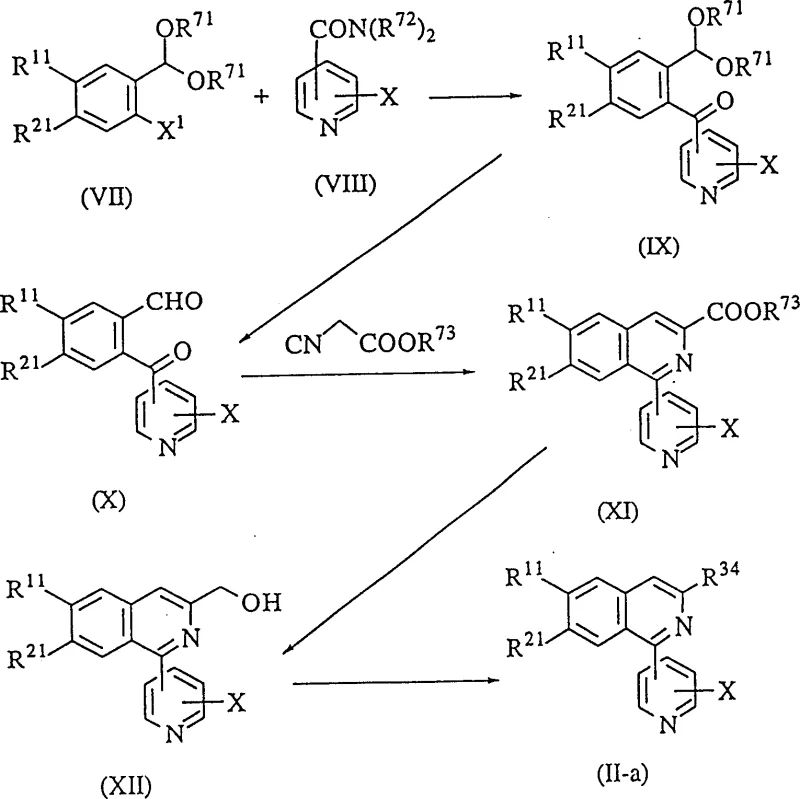
Furthermore, the subsequent cyclization steps described in Method B demonstrate a sophisticated understanding of electronic effects within the molecule. By treating linear precursors with acidic catalysts, the process induces an intramolecular condensation that closes the ring to form the bioactive isoquinoline or naphthyridine core. The patent specifies that this reaction can be tuned by selecting specific acids; for instance, using thionyl chloride versus phosphorus oxychloride can influence the rate of dehydration and ring closure. This level of tunability allows process chemists to optimize yield and purity dynamically. Moreover, the protection and deprotection strategies for hydroxyl and amino groups outlined in the patent ensure that sensitive functional groups remain intact during these vigorous reaction conditions, thereby preserving the stereochemical integrity of chiral centers which are often critical for receptor binding affinity.
How to Synthesize Selective PDE IV Inhibitor Intermediates Efficiently
Implementing the synthesis of these complex pyridine derivatives requires a disciplined approach to reaction engineering and purification. The patent provides a comprehensive sequence starting from readily available benzaldehyde derivatives and proceeding through acetal formation, condensation, and final cyclization. Each step is designed to maximize atom economy and minimize the generation of hazardous waste streams. For technical teams looking to replicate or scale this chemistry, the key lies in strict control of stoichiometry and temperature profiles during the copper-catalyzed coupling phase. Detailed standardized synthesis steps are essential to ensure batch-to-batch consistency and to meet the stringent quality requirements of the pharmaceutical industry.
- Condense acetal compounds with nitrogen-containing heterocycles using base and copper catalysts at elevated temperatures.
- Perform intramolecular cyclization reactions using acidic catalysts such as phosphorus oxychloride to form the core heterocyclic structure.
- Purify the final intermediates through standard crystallization or chromatography techniques to ensure high purity specifications.
Commercial Advantages for Procurement and Supply Chain Teams
From a procurement and supply chain perspective, the synthetic routes disclosed in this patent offer substantial advantages over legacy technologies. The reliance on commodity chemicals such as dimethylformamide, toluene, and common inorganic bases means that raw material sourcing is not constrained by geopolitical bottlenecks or single-source supplier risks. This diversity in supply options translates directly into enhanced supply chain reliability and reduced vulnerability to market fluctuations. Furthermore, the avoidance of precious metal catalysts like palladium or platinum in favor of abundant copper salts represents a significant opportunity for cost reduction in pharmaceutical intermediate manufacturing. Copper is orders of magnitude cheaper than noble metals, and its removal from the final product is a well-understood unit operation in chemical engineering.
- Cost Reduction in Manufacturing: The elimination of expensive noble metal catalysts and the use of high-temperature reactions that do not require energy-intensive cooling systems lead to a drastically simplified cost structure. By utilizing standard industrial solvents and reagents, the overall expenditure on raw materials is significantly lowered, allowing for more competitive pricing models in the final API market. Additionally, the high yields reported in the embodiments suggest that less starting material is wasted, further optimizing the economic efficiency of the production process.
- Enhanced Supply Chain Reliability: The starting materials, such as substituted benzaldehydes and pyridine derivatives, are produced by a wide network of global chemical manufacturers. This broad availability ensures that production schedules are not disrupted by shortages of niche reagents. The robustness of the reaction conditions, which tolerate a range of temperatures and solvent qualities, also means that the process is less sensitive to minor variations in raw material specifications, reducing the rate of batch failures and ensuring a steady flow of intermediates to downstream formulation sites.
- Scalability and Environmental Compliance: The processes described are inherently scalable, moving seamlessly from laboratory glassware to large-scale stainless steel reactors without fundamental changes to the chemistry. The use of recyclable solvents and the generation of manageable waste streams align with modern green chemistry principles and environmental regulations. This compliance reduces the regulatory burden and costs associated with waste disposal, making the technology attractive for long-term commercial deployment in regions with strict environmental oversight.
Frequently Asked Questions (FAQ)
The following questions address common technical and commercial inquiries regarding the production and application of these pyridine derivatives. These answers are derived directly from the technical specifications and experimental data provided in the patent documentation, ensuring accuracy and relevance for industry stakeholders. Understanding these details is critical for making informed decisions about licensing, procurement, and development partnerships.
Q: What distinguishes these pyridine derivatives from traditional asthma medications?
A: Unlike non-selective PDE inhibitors like theophylline which cause cardiac side effects, these novel derivatives selectively inhibit PDE IV, offering potent bronchoconstriction inhibition with a superior safety profile.
Q: Are the synthesis methods scalable for commercial production?
A: Yes, the described methods utilize standard industrial solvents like DMF and toluene and operate at moderate temperatures (80-160°C), making them highly suitable for large-scale commercial manufacturing.
Q: What are the key purity challenges in this synthesis?
A: Key challenges involve controlling regioselectivity during cyclization and removing residual copper catalysts, which are addressed through optimized reaction conditions and rigorous purification protocols.
Partnering with NINGBO INNO PHARMCHEM: Your Reliable Pyridine Derivatives Supplier
The technological potential of the compounds described in CN1127498C is immense, offering a pathway to safer and more effective asthma treatments. At NINGBO INNO PHARMCHEM, we possess the extensive experience scaling diverse pathways from 100 kgs to 100 MT/annual commercial production required to bring these complex molecules to market. Our facility is equipped with rigorous QC labs and advanced analytical instrumentation to ensure that every batch meets stringent purity specifications, including residual solvent and heavy metal limits. We understand that the transition from patent chemistry to commercial reality requires more than just equipment; it demands deep process knowledge and a commitment to quality that defines our operations as a leading CDMO partner.
We invite global pharmaceutical partners to engage with our technical procurement team to discuss how we can support your development pipeline. Whether you require a Customized Cost-Saving Analysis for your specific volume requirements or need to review specific COA data and route feasibility assessments, our experts are ready to provide the data-driven insights you need. By leveraging our manufacturing capabilities, you can accelerate your time-to-market while maintaining the highest standards of quality and compliance in the production of these critical pharmaceutical intermediates.