
Revolutionizing Carbazole Production: A Novel One-Step Pd-Catalyzed Cyclization for Commercial Scale-Up
The landscape of heterocyclic chemistry is constantly evolving, driven by the relentless demand for efficient pathways to construct complex molecular scaffolds essential for modern therapeutics and advanced materials. In this context, the recent disclosure in patent CN109516946B presents a transformative approach to synthesizing carbazole compounds, a class of molecules renowned for their pivotal role in pharmaceutical intermediates and optoelectronic applications. This intellectual property details a robust methodology that leverages N,N-disubstituted anthranilic acid compounds as versatile starting materials, bypassing the cumbersome limitations of legacy synthetic routes. By employing a palladium salt catalyst in conjunction with an oxidant within an organic solvent matrix, the invention achieves direct intramolecular cyclization under heated conditions. This technical breakthrough is not merely an academic exercise; it represents a tangible shift towards more sustainable and economically viable manufacturing processes for high-value fine chemicals. For R&D directors and procurement strategists alike, understanding the nuances of this patent is critical for optimizing supply chains and reducing the cost of goods sold in competitive markets.
The Limitations of Conventional Methods vs. The Novel Approach
The Limitations of Conventional Methods
Historically, the construction of the carbazole core has been fraught with synthetic challenges that impose significant burdens on both research timelines and production budgets. Traditional methodologies often rely heavily on multi-step reaction sequences that necessitate the use of pre-functionalized halogenated precursors, such as aryl halides, which are frequently more expensive and less atom-economical than their non-halogenated counterparts. These classical routes, including various transition-metal catalyzed cross-couplings or oxidative cyclizations of diphenylamines, often suffer from harsh reaction conditions, requiring stringent temperature controls or the use of hazardous reagents that complicate waste management. Furthermore, the reliance on multiple isolation and purification steps between intermediates inevitably leads to cumulative yield losses, drastically reducing the overall efficiency of the process. From a supply chain perspective, the dependency on specialized halogenated building blocks introduces vulnerability, as these materials can be subject to market volatility and longer lead times. The environmental footprint of these older methods is also considerable, generating substantial amounts of saline waste and requiring energy-intensive purification protocols to remove metal residues and side products.
The Novel Approach
In stark contrast to these established but inefficient paradigms, the method disclosed in CN109516946B offers a streamlined, one-step solution that fundamentally alters the economic equation of carbazole production. By utilizing N,N-disubstituted anthranilic acids as the primary substrates, the process capitalizes on the inherent reactivity of the carboxylic acid moiety to drive the cyclization event, eliminating the need for pre-installed leaving groups. This strategic shift allows for the direct formation of the carbon-carbon bond necessary to close the central ring of the carbazole system in a single operational step. The use of commercially available palladium salts and common oxidants like copper acetate ensures that the catalytic system is both accessible and cost-effective, avoiding the need for exotic ligands or ultra-high purity reagents. Moreover, the reaction conditions are remarkably mild, typically proceeding at temperatures between 100°C and 140°C in solvents like N,N-dimethylacetamide, which facilitates easier scale-up and safer handling in industrial reactors. This novel approach not only accelerates the synthesis timeline but also enhances the purity profile of the final product by minimizing the formation of complex byproduct mixtures associated with multi-step sequences.
Mechanistic Insights into Pd-Catalyzed Intramolecular Cyclization
The efficacy of this synthetic strategy lies in the intricate interplay between the palladium catalyst and the oxidant, which together facilitate a sophisticated cascade of organometallic transformations. The mechanism likely initiates with the coordination of the palladium species to the aromatic system or the nitrogen lone pair, followed by a C-H activation event that generates a key organopalladium intermediate. This step is crucial as it functionalizes an otherwise inert carbon-hydrogen bond, setting the stage for the subsequent ring-closing event. The presence of the oxidant, such as copper(II) acetate, plays a dual role: it acts as a terminal oxidant to regenerate the active palladium(II) species from the reduced palladium(0) formed after reductive elimination, thereby sustaining the catalytic cycle, and it may also assist in the decarboxylation or activation of the anthranilic acid substrate. Understanding this mechanistic pathway is vital for process chemists aiming to optimize reaction parameters, as subtle changes in the oxidation state of the metal or the nature of the solvent can significantly influence the turnover number and selectivity. The ability of this system to tolerate a wide range of functional groups suggests a robust catalytic cycle that is resistant to poisoning by common impurities found in bulk chemical feedstocks.
Furthermore, the control of impurities in this reaction is inherently superior to traditional cross-coupling methods due to the absence of halide leaving groups, which often lead to homocoupling side reactions or dehalogenation byproducts. The intramolecular nature of the cyclization ensures high regioselectivity, as the reacting centers are tethered within the same molecule, effectively preventing intermolecular oligomerization. This structural constraint directs the reaction exclusively towards the formation of the desired fused tricyclic system, simplifying the downstream purification process. For quality control teams, this means that the crude reaction mixture contains fewer structurally related impurities, reducing the burden on chromatographic separation and crystallization steps. The use of anthranilic acid derivatives also allows for the introduction of diverse substituents at various positions on the carbazole ring simply by modifying the starting material, providing a modular platform for library synthesis without compromising the integrity of the core cyclization mechanism. This level of predictability and control is essential for meeting the stringent purity specifications required in pharmaceutical and electronic grade applications.
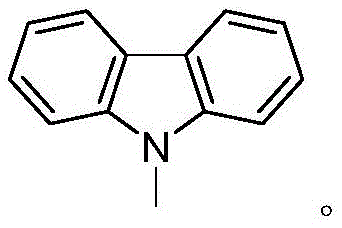
How to Synthesize N-Methyl Carbazole Efficiently
Implementing this patented methodology in a laboratory or pilot plant setting requires adherence to specific procedural guidelines to maximize yield and reproducibility. The process begins with the careful selection of reagents, where high-purity palladium acetate and copper acetate are preferred to ensure consistent catalytic activity. The reaction is typically conducted under an inert atmosphere, such as nitrogen, to prevent unwanted oxidation of sensitive intermediates or the catalyst itself, although the patent notes that air can sometimes be tolerated depending on the specific substrate. Operators must ensure thorough mixing of the solid catalysts and oxidants with the liquid substrate and solvent to create a homogeneous suspension before applying heat. The thermal profile is critical; maintaining the reaction temperature within the optimal range of 120°C to 130°C for a duration of 24 to 72 hours allows the slow but steady progression of the cyclization to completion. Detailed standardized operating procedures for this synthesis, including precise stoichiometric ratios and workup protocols, are outlined below to guide technical teams in achieving the reported high yields.
- Mix palladium salt catalyst, copper oxidant, N,N-disubstituted anthranilic acid substrate, and organic solvent (preferably DMAc) in a reaction vessel under inert atmosphere.
- Heat the reaction mixture to temperatures between 100°C and 140°C, maintaining the condition for sufficient time (e.g., 24-72 hours) to ensure complete cyclization.
- Perform conventional workup procedures to isolate the high-purity carbazole product, removing catalyst residues and byproducts efficiently.
Commercial Advantages for Procurement and Supply Chain Teams
From a commercial perspective, the adoption of this synthesis route offers profound advantages that extend far beyond the laboratory bench, directly impacting the bottom line and operational resilience of chemical manufacturing enterprises. The primary driver of value creation is the drastic simplification of the supply chain, as the starting materials—N,N-disubstituted anthranilic acids—are commodity chemicals that are widely available from multiple global suppliers, reducing the risk of single-source dependency. This abundance translates into significant leverage during price negotiations, allowing procurement managers to secure favorable terms and stabilize input costs over long-term contracts. Additionally, the elimination of pre-functionalized halogenated intermediates removes a costly and logistically complex tier from the bill of materials, further compressing the overall cost structure. The simplified one-step nature of the reaction also implies a reduction in utility consumption, as fewer heating and cooling cycles are required compared to multi-step sequences, contributing to lower energy bills and a smaller carbon footprint. These factors combined create a compelling business case for transitioning to this technology, particularly for high-volume production scenarios where marginal savings per kilogram accumulate into substantial financial gains.
- Cost Reduction in Manufacturing: The economic benefits of this process are rooted in its atom economy and operational simplicity, which collectively drive down the cost of goods sold. By avoiding the use of expensive halogenated precursors and reducing the number of unit operations, manufacturers can achieve a leaner production model with lower overheads. The catalyst system, based on palladium and copper, utilizes metals that, while precious, are used in catalytic quantities and can potentially be recovered and recycled, mitigating the impact of metal prices on the final product cost. Furthermore, the high yields reported in the patent examples indicate efficient conversion of raw materials into product, minimizing waste disposal costs and maximizing the return on investment for every batch produced. This efficiency is crucial for maintaining competitiveness in price-sensitive markets such as generic pharmaceuticals and bulk agrochemicals.
- Enhanced Supply Chain Reliability: Supply chain continuity is paramount for downstream customers who rely on just-in-time delivery models, and this synthesis method significantly de-risks the procurement process. Since the key starting materials are bulk chemicals with established global production capacities, the likelihood of supply disruptions due to geopolitical issues or factory outages is markedly reduced. The robustness of the reaction conditions also means that the process can be easily transferred between different manufacturing sites or contract development and manufacturing organizations (CDMOs) without extensive re-validation, providing flexibility in sourcing strategies. This geographical diversification capability ensures that buyers can maintain a steady flow of materials even in the face of regional logistical challenges, securing their own production schedules against external volatility.
- Scalability and Environmental Compliance: As regulatory pressures regarding environmental sustainability intensify, the green chemistry attributes of this method become a distinct competitive advantage. The reaction generates fewer byproducts and avoids the use of toxic halogenated solvents or reagents where possible, aligning with modern principles of green manufacturing. The scalability of the process is evidenced by its reliance on standard heating and stirring equipment, meaning that scaling from gram to tonne quantities does not require specialized high-pressure reactors or cryogenic infrastructure. This ease of scale-up accelerates time-to-market for new products and allows manufacturers to respond rapidly to surges in demand. Moreover, the simplified waste stream facilitates easier treatment and compliance with increasingly stringent environmental regulations, reducing the administrative and financial burden associated with waste management and permitting.
Frequently Asked Questions (FAQ)
The following questions address common technical and commercial inquiries regarding the implementation of this carbazole synthesis technology, drawing directly from the detailed disclosures within the patent documentation. These insights are intended to clarify the practical aspects of the method for stakeholders evaluating its potential integration into their existing portfolios. By understanding the specific operational parameters and material requirements, decision-makers can better assess the feasibility and strategic value of adopting this innovative approach for their specific application needs.
Q: What are the primary advantages of this new carbazole synthesis method compared to conventional routes?
A: Unlike traditional methods that require multi-step reactions or pre-functionalized halogenated compounds, this novel approach utilizes readily available N,N-disubstituted anthranilic acids in a direct one-step cyclization. This significantly shortens the synthetic route, reduces raw material costs, and simplifies the purification process, leading to higher overall efficiency.
Q: Which catalysts and oxidants are compatible with this protocol?
A: The method demonstrates broad compatibility with various palladium salts such as palladium acetate, palladium chloride, and tetrakis(triphenylphosphine)palladium. It effectively utilizes common oxidants like copper acetate, silver carbonate, or benzoquinone derivatives, allowing procurement teams to source inexpensive, commercially available reagents.
Q: Is this synthesis method suitable for large-scale industrial production?
A: Yes, the process is highly amenable to scale-up due to its operational simplicity and the use of robust, non-sensitive reagents. The reaction proceeds under standard heating conditions without the need for specialized high-pressure equipment or cryogenic temperatures, ensuring consistent quality and supply continuity for commercial manufacturing.
Partnering with NINGBO INNO PHARMCHEM: Your Reliable Carbazole Intermediate Supplier
At NINGBO INNO PHARMCHEM, we recognize the transformative potential of the synthetic methodologies described in CN109516946B and are uniquely positioned to leverage this technology for our global clientele. As a premier CDMO partner, we possess extensive experience scaling diverse pathways from 100 kgs to 100 MT/annual commercial production, ensuring that the transition from laboratory discovery to industrial reality is seamless and efficient. Our state-of-the-art facilities are equipped to handle the specific requirements of palladium-catalyzed reactions, including rigorous QC labs capable of detecting trace metal residues to meet stringent purity specifications demanded by the pharmaceutical and electronic industries. We understand that consistency and quality are non-negotiable, and our dedicated process chemistry team is committed to optimizing every variable of this synthesis to deliver superior results.
We invite forward-thinking organizations to collaborate with us to unlock the full commercial potential of these advanced carbazole derivatives. Whether you require a Customized Cost-Saving Analysis to evaluate the economic impact of switching to this route or need specific COA data to validate the quality of our pilot batches, our technical procurement team is ready to assist. We encourage you to reach out today to discuss your specific project requirements and request route feasibility assessments that demonstrate how our expertise can accelerate your development timelines and enhance your market competitiveness.