
Advanced Non-Metal Catalytic Synthesis of Quinazolinone Intermediates for Commercial Scale-Up
Advanced Non-Metal Catalytic Synthesis of Quinazolinone Intermediates for Commercial Scale-Up
The pharmaceutical and agrochemical industries continuously seek robust, sustainable, and cost-effective synthetic routes for heterocyclic scaffolds, particularly quinazolinones, which serve as critical pharmacophores in numerous bioactive molecules. Patent CN112876470B introduces a groundbreaking methodology for synthesizing quinazolinone compounds utilizing a non-metal carbon material catalyst under additive-free conditions. This innovation addresses significant bottlenecks in traditional manufacturing by employing a nitrogen and boron co-doped carbon catalyst, derived from organic ligands and boron precursors, to facilitate the oxidative cyclization of 1,2,3,4-tetrahydroisoquinolines and anthranilic alcohols. The process operates efficiently with oxygen or air as the sole oxidant, eliminating the need for corrosive acid additives and achieving yields exceeding 85%. For R&D directors and procurement managers seeking a reliable pharmaceutical intermediate supplier, this technology represents a paradigm shift towards greener, high-purity manufacturing that aligns with stringent regulatory standards for API production.
The Limitations of Conventional Methods vs. The Novel Approach
The Limitations of Conventional Methods
Historically, the synthesis of quinazolinone derivatives has relied heavily on transition metal catalysis or harsh stoichiometric oxidants, presenting substantial challenges for large-scale commercialization. Conventional pathways often involve the use of expensive and toxic heavy metals such as cobalt or zirconium, which necessitate rigorous downstream purification to meet residual metal specifications mandated by health authorities. Furthermore, many established protocols require the addition of acidic additives to drive the reaction kinetics, leading to increased equipment corrosion, higher waste treatment costs, and potential safety hazards during scale-up. The complexity of these multi-step processes often results in lower overall atom economy and inconsistent batch-to-batch reproducibility, creating supply chain vulnerabilities for manufacturers of complex pharmaceutical intermediates. Additionally, the difficulty in recovering and reusing homogeneous metal catalysts contributes to elevated operational expenditures and environmental burdens, making these traditional routes less attractive for modern sustainable chemistry initiatives.
The Novel Approach
In stark contrast, the methodology disclosed in CN112876470B leverages a heterogeneous non-metal catalyst system that fundamentally simplifies the reaction landscape while enhancing efficiency. By utilizing a nitrogen and boron co-doped carbon material, the process achieves high catalytic activity without introducing metallic contaminants, thereby ensuring the production of high-purity quinazolinone intermediates suitable for direct use in sensitive medicinal chemistry applications. The elimination of acid additives not only streamlines the workup procedure but also significantly reduces the generation of hazardous waste, aligning with green chemistry principles. This novel approach utilizes readily available starting materials like 1,2,3,4-tetrahydroisoquinolines and anthranilic alcohols, reacting them under mild thermal conditions (80-150°C) with molecular oxygen. The robustness of this metal-free system offers a compelling value proposition for cost reduction in API manufacturing, as it removes the dependency on volatile precious metal markets and simplifies the regulatory filing process regarding impurity profiles.
Mechanistic Insights into N,B-Doped Carbon Catalyzed Oxidative Cyclization
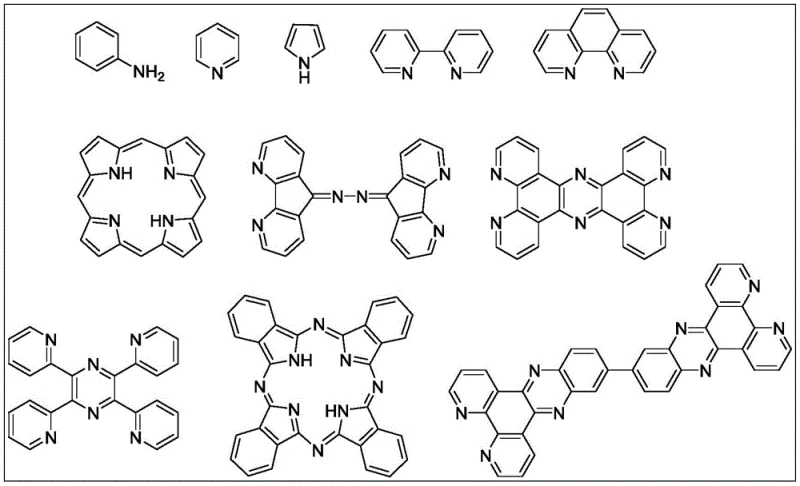
The core of this technological advancement lies in the unique electronic and structural properties of the nitrogen and boron co-doped carbon catalyst. The catalyst is synthesized through a controlled pyrolysis process where nitrogen-containing organic ligands serve as the carbon and nitrogen source, while boron compounds act as dopants to modify the electronic density of the carbon lattice. Silica sol acts as a hard template to create a high surface area porous structure, which is crucial for maximizing the exposure of active sites. Upon calcination at temperatures between 500°C and 1000°C under an inert atmosphere, a stable, graphitic-like framework is formed with embedded N and B species that facilitate electron transfer during the oxidation reaction. This specific doping strategy enhances the adsorption of reactants and the activation of molecular oxygen, enabling the dehydrogenative coupling required to form the quinazolinone ring system without external promoters.
The reaction mechanism likely proceeds through an initial oxidative dehydrogenation of the tetrahydroisoquinoline substrate to generate an imine intermediate, followed by nucleophilic attack by the anthranilic alcohol. The N,B-doped carbon surface stabilizes radical intermediates and facilitates the subsequent cyclization and aromatization steps to yield the final quinazolinone scaffold. The absence of metal centers means that the redox cycles are mediated entirely by the doped carbon defects, which are chemically robust and resistant to leaching. This mechanistic pathway ensures that the final product is free from metal residues, a critical quality attribute for pharmaceutical intermediates. The versatility of this catalytic system is evidenced by its tolerance to various functional groups, including halogens, nitro groups, and methoxy substituents, allowing for the synthesis of a diverse library of derivatives as shown in the core product structure below.
![Core chemical structure of 5,6-dihydro-8H-isoquinolino[1,2-b]quinazolin-8-one synthesized via the patented method](/insights/img/quinazolinone-synthesis-non-metal-catalyst-pharma-supplier-20260315053102-02.png)
Impurity control in this system is inherently superior due to the heterogeneous nature of the catalyst and the specificity of the oxidative cyclization. Unlike homogeneous metal catalysts that may promote side reactions such as over-oxidation or C-C bond cleavage, the surface-confined active sites on the carbon material provide a selective environment that favors the desired ring closure. The lack of acidic additives further prevents acid-catalyzed degradation of sensitive functional groups on the substrate, preserving the integrity of complex molecules. For R&D teams, this translates to a cleaner crude reaction profile, reducing the burden on chromatographic purification and increasing the overall isolated yield. The ability to tune the catalyst properties by adjusting the precursor ratio and calcination temperature offers an additional layer of process optimization, ensuring that the synthesis can be tailored to specific substrate requirements for maximum efficiency and minimal byproduct formation.
How to Synthesize 5,6-dihydro-8H-isoquinolino[1,2-b]quinazolin-8-one Efficiently
The synthesis of this core quinazolinone scaffold is achieved through a streamlined one-pot oxidative cyclization protocol that minimizes unit operations and maximizes throughput. The process begins with the preparation of the specialized N,B-doped carbon catalyst, followed by the direct coupling of the amine and alcohol substrates under an oxygen atmosphere. This method eliminates the need for pre-functionalization of the starting materials or the use of stoichiometric oxidants, representing a significant improvement in step economy. Detailed standardized synthetic steps, including precise reagent ratios, temperature ramps, and workup procedures, are outlined in the technical guide below to ensure reproducible results across different scales of operation.
- Prepare the N,B-doped carbon catalyst by calcining nitrogen-containing organic ligands and boron precursors with a silica template at 500-1000°C under inert gas, followed by template removal.
- Combine 1,2,3,4-tetrahydroisoquinoline substrates and anthranilic alcohol derivatives in a solvent such as p-xylene with the prepared catalyst.
- Introduce oxygen or air at 0.01-2MPa pressure and heat the mixture to 80-150°C for 2-16 hours to achieve oxidative cyclization into the target quinazolinone.
Commercial Advantages for Procurement and Supply Chain Teams
For procurement managers and supply chain heads, the adoption of this non-metal catalytic technology offers transformative benefits in terms of cost stability and operational reliability. The shift away from precious metal catalysts mitigates the financial risks associated with the volatility of metal prices and supply shortages, providing a more predictable cost structure for long-term production contracts. Furthermore, the simplified purification process resulting from the absence of metal residues reduces the consumption of expensive chromatography media and solvents, directly lowering the cost of goods sold. The robustness of the catalyst and the mild reaction conditions also enhance equipment longevity and reduce maintenance downtime, contributing to higher overall plant utilization rates and more reliable delivery schedules for customers.
- Cost Reduction in Manufacturing: The elimination of expensive transition metal catalysts and acidic additives results in substantial raw material savings and reduced waste disposal costs. By avoiding the need for specialized metal scavenging resins or complex extraction protocols to remove trace metals, the downstream processing becomes significantly more economical. This streamlined workflow allows for a reduction in labor hours and utility consumption per kilogram of product, driving down the overall manufacturing footprint. Consequently, this efficiency gain enables competitive pricing strategies for high-purity pharmaceutical intermediates without compromising on quality or regulatory compliance standards.
- Enhanced Supply Chain Reliability: The reliance on abundant, non-toxic carbon-based catalysts ensures a secure supply of critical reaction components, insulating the production process from geopolitical disruptions affecting rare earth or precious metal markets. The use of air or oxygen as the terminal oxidant further simplifies logistics, removing the need for hazardous chemical oxidants that require special handling and storage. This inherent safety and availability translate into shorter lead times for raw material procurement and greater flexibility in production scheduling. Suppliers can thus guarantee consistent availability of key intermediates, supporting the continuous manufacturing needs of global pharmaceutical partners.
- Scalability and Environmental Compliance: The heterogeneous nature of the catalyst facilitates easy separation via filtration, making the process highly amenable to scale-up from pilot plants to multi-ton commercial reactors. The absence of heavy metals and corrosive acids simplifies effluent treatment, ensuring compliance with increasingly stringent environmental regulations regarding wastewater discharge. This eco-friendly profile not only reduces regulatory hurdles but also enhances the corporate sustainability image of the manufacturing entity. The process demonstrates excellent potential for continuous flow chemistry applications, offering a pathway to even greater efficiency and safety in the commercial scale-up of complex pharmaceutical intermediates.
Frequently Asked Questions (FAQ)
The following questions address common technical and commercial inquiries regarding the implementation of this non-metal catalytic synthesis route. These insights are derived directly from the experimental data and beneficial effects described in the patent documentation, providing clarity on the practical application of this technology for industrial partners.
Q: How does this non-metal catalytic method improve product purity compared to traditional methods?
A: Traditional methods often rely on transition metal catalysts which can leave trace metal residues requiring complex purification steps. This patented method uses a heterogeneous non-metal N,B-doped carbon catalyst, eliminating the risk of heavy metal contamination and simplifying the downstream purification process for pharmaceutical grade intermediates.
Q: What are the typical reaction conditions for this synthesis?
A: The reaction operates under relatively mild conditions, typically between 80°C and 150°C, using oxygen or air as the oxidant at pressures ranging from 0.01 to 2MPa. The process does not require acidic additives, which further reduces corrosion risks and waste treatment costs.
Q: Is this method scalable for industrial production of quinazolinones?
A: Yes, the use of a heterogeneous catalyst allows for easier separation and potential reuse, while the absence of sensitive organometallic reagents enhances safety and scalability. The reported yields exceed 85% for the core scaffold, indicating robust performance suitable for commercial manufacturing.
Partnering with NINGBO INNO PHARMCHEM: Your Reliable Quinazolinone Supplier
At NINGBO INNO PHARMCHEM, we recognize the strategic value of this metal-free synthesis route in producing high-quality quinazolinone intermediates for the global pharmaceutical market. Our team possesses extensive experience scaling diverse pathways from 100 kgs to 100 MT/annual commercial production, ensuring that the transition from laboratory discovery to industrial reality is seamless and efficient. We maintain stringent purity specifications and operate rigorous QC labs to verify that every batch meets the highest standards for metal content and impurity profiles, leveraging our expertise to optimize this specific non-metal catalytic process for maximum yield and consistency.
We invite you to collaborate with us to leverage this innovative technology for your next project. Contact our technical procurement team today to request a Customized Cost-Saving Analysis tailored to your specific volume requirements. We are prepared to provide specific COA data and route feasibility assessments to demonstrate how this advanced synthesis method can enhance your supply chain resilience and reduce overall manufacturing costs.
Engineering Bottleneck?
Can't scale up this synthesis? Upload your target structure or CAS, and our CDMO team will evaluate the industrial feasibility within 24 hours. Request Evaluation →