
Advanced Ligand Exchange Technology for Scalable Ruthenium Complex Production
The chemical industry is constantly seeking more efficient and safer pathways for synthesizing critical organometallic precursors, and Patent CN101723985B presents a transformative approach to producing ruthenium aromatic coordination compounds. This intellectual property details a novel preparation method that replaces hazardous traditional techniques with a streamlined ligand exchange process suitable for large-scale industrial manufacturing. By reacting a pre-formed ruthenium complex with an aromatic compound that has a lower boiling point than the original ligand, within a sealed reaction vessel, manufacturers can access a broader range of catalytic precursors with exceptional efficiency. This technological breakthrough addresses long-standing challenges in the synthesis of hydrogenation catalysts and functional material precursors, offering a robust solution for the global supply of high-purity organometallics. For R&D directors and procurement specialists, understanding this shift from cryogenic reductions to thermal ligand exchange is vital for optimizing supply chains and reducing production risks associated with volatile reagents.
The Limitations of Conventional Methods vs. The Novel Approach
The Limitations of Conventional Methods
Historically, the synthesis of ruthenium aromatic coordination compounds relied heavily on two primary methodologies, both of which present significant drawbacks for modern industrial application. The first method involves the reaction of substituted cyclohexadienes with ruthenium trichloride trihydrate, often necessitating a Birch reduction. This traditional pathway requires the use of liquefied ammonia and reactive alkali metals such as sodium or lithium, demanding specialized cryogenic equipment to maintain extremely low temperatures. The handling of liquid ammonia poses severe safety risks and environmental concerns, while the subsequent quenching and treatment of reacted ammonia create complex waste management issues that drive up operational costs. Furthermore, the second conventional method involves ligand exchange using aromatic compounds with higher boiling points than the starting material, which severely limits the structural diversity of the final product. Attempting to introduce volatile ligands like benzene or toluene via open-vessel reflux is inefficient due to solvent evaporation, and high-temperature reactions in open systems often lead to the thermal decomposition of the sensitive coordination complex, resulting in poor yields and difficult purification processes.
The Novel Approach
The methodology disclosed in Patent CN101723985B fundamentally alters the thermodynamic landscape of ruthenium complex synthesis by utilizing a closed reaction system to facilitate ligand exchange with lower boiling point aromatics. This innovative approach allows the reaction to proceed at temperatures significantly higher than the boiling point of the incoming ligand (L2), creating a high-pressure environment that forces the equilibrium toward the desired product without losing the volatile reactant. By starting with a readily available and stable complex such as [RuCl2(p-cymene)]2, manufacturers can efficiently swap the p-cymene ligand for a wide variety of other aromatic systems, including benzene, toluene, xylenes, and indane. This process eliminates the need for dangerous cryogenic conditions and hazardous reducing agents, replacing them with a straightforward thermal treatment in an autoclave. The result is a versatile synthetic platform that not only expands the library of accessible ruthenium precursors but also simplifies the downstream processing, as the products can often be isolated through simple filtration and washing steps, thereby drastically reducing the complexity of the manufacturing workflow.
Mechanistic Insights into Thermal Ligand Exchange
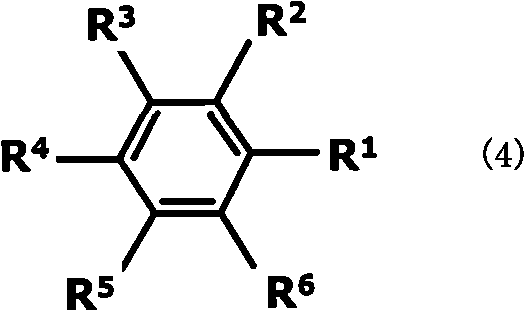
The core mechanism driving this synthesis is a thermal ligand substitution reaction facilitated by the unique conditions of a closed vessel. In this system, the starting ruthenium dimer, typically [RuX2(L1)]n where L1 is a higher boiling aromatic like p-cymene, is heated in the presence of a large excess of the target aromatic ligand L2. The elevated temperature provides the necessary activation energy to break the coordinate bonds between the ruthenium center and the original ligand L1. Simultaneously, the closed environment ensures that the concentration of the volatile ligand L2 remains high in the liquid or supercritical phase, driving the association kinetics favorably towards the formation of the new [RuX2(L2)]n complex. This equilibrium shift is critical for successfully incorporating low-boiling ligands that would otherwise evaporate in standard reflux setups. The process is remarkably tolerant of various substituents on the aromatic ring, allowing for the introduction of alkyl, alkoxy, and hydroxyalkyl groups without compromising the integrity of the metal center. This mechanistic robustness ensures that the electronic and steric properties of the final catalyst precursor can be finely tuned to match specific downstream application requirements, whether for asymmetric hydrogenation or material science applications.
Impurity control is another critical aspect where this method excels, directly impacting the quality of the final product for sensitive pharmaceutical or electronic applications. The patent data indicates that by optimizing reaction times between 2 hours and 30 hours and maintaining temperatures between 100°C and 250°C, side reactions such as ligand decomposition or metal aggregation are minimized. The high purity levels reported, often reaching 99% as confirmed by NMR spectroscopy, suggest that the reaction proceeds with high selectivity. The simplicity of the workup procedure further contributes to purity; after the reaction, the addition of a non-solvent like heptane or hexane induces crystallization of the product while leaving soluble impurities in the supernatant. This crystallization step acts as an effective purification mechanism, removing residual starting materials and by-products without the need for column chromatography or complex distillation. Such high fidelity in impurity profiling is essential for R&D teams developing GMP-grade active pharmaceutical ingredients where metal residue and organic impurities must be strictly controlled.
How to Synthesize Ruthenium Complex Efficiently
To implement this advanced synthesis route effectively, laboratories and production facilities must adhere to specific operational parameters outlined in the patent to ensure maximum yield and safety. The process begins with the precise weighing of the starting ruthenium dimer and the target aromatic ligand, typically using a molar excess of the ligand to drive the equilibrium forward. The mixture is then loaded into a pressure-rated reactor, such as a stainless steel autoclave, which is purged with an inert gas like nitrogen or argon to prevent oxidation of the sensitive metal center. Heating is applied gradually to reach the target temperature, which must exceed the boiling point of the ligand but remain within the thermal stability limit of the complex, usually around 200°C. Following the reaction period, the vessel is cooled, and the crude product is precipitated using a hydrocarbon anti-solvent. For a complete understanding of the specific stoichiometric ratios, temperature ramps, and isolation techniques tailored to different ligands, please refer to the standardized synthesis protocol below.
- Mix the starting ruthenium complex [RuX2(L1)]n with a lower boiling point aromatic compound L2 in an autoclave.
- Heat the mixture in a closed reaction vessel to a temperature higher than the boiling point of L2 (typically 100°C to 250°C) under inert gas.
- After reaction completion (2-30 hours), cool the mixture, add a non-solvent like heptane or hexane to precipitate the product, and filter to obtain high-purity crystals.
Commercial Advantages for Procurement and Supply Chain Teams
For procurement managers and supply chain heads, the adoption of this ligand exchange technology represents a strategic opportunity to optimize costs and secure supply continuity for critical ruthenium precursors. The elimination of cryogenic infrastructure and hazardous reagents like liquid ammonia translates directly into reduced capital expenditure and lower operational overheads. Facilities no longer need to invest in specialized low-temperature reactors or manage the complex logistics of storing and disposing of dangerous chemicals, which significantly lowers the barrier to entry for manufacturing these high-value intermediates. Furthermore, the use of common, commodity-grade aromatic solvents as both reactants and reaction media simplifies raw material sourcing. Since the process relies on thermally driven exchange rather than scarce or highly specialized reagents, the supply chain becomes more resilient to market fluctuations. The ability to produce a wide variety of derivatives from a single common starting material, [RuCl2(p-cymene)]2, allows manufacturers to maintain a flexible inventory strategy, responding quickly to changing customer demands for specific catalyst variants without needing to stockpile numerous distinct precursors.
- Cost Reduction in Manufacturing: The economic benefits of this process are derived primarily from the simplification of the reaction workflow and the removal of expensive safety measures associated with traditional methods. By avoiding the use of alkali metals and liquid ammonia, manufacturers eliminate the costs related to specialized containment systems, emergency scrubbing units, and hazardous waste disposal fees. The high yields reported in the patent, often exceeding 90%, mean that less raw material is wasted, improving the overall atom economy of the process. Additionally, the straightforward isolation procedure involving filtration and washing reduces the consumption of energy-intensive purification steps like distillation or chromatography. These cumulative efficiencies result in a significantly lower cost of goods sold (COGS), allowing suppliers to offer competitive pricing while maintaining healthy margins, which is a crucial advantage in the price-sensitive fine chemical market.
- Enhanced Supply Chain Reliability: Supply chain reliability is greatly enhanced by the robustness and flexibility of this synthetic route. Because the reaction conditions are relatively mild in terms of chemical hazard (despite the high temperature), production can be scheduled with greater predictability and fewer interruptions due to safety incidents or regulatory compliance issues. The starting material, [RuCl2(p-cymene)]2, is a commercially abundant commodity, ensuring that production is not bottlenecked by the availability of exotic precursors. Moreover, the scalability of the autoclave process is well-understood in the chemical industry, meaning that scaling from pilot plant quantities to multi-ton production does not require fundamental changes to the chemistry. This scalability ensures that suppliers can meet large-volume orders consistently, reducing the risk of stockouts for downstream pharmaceutical and agrochemical manufacturers who depend on a steady flow of catalyst precursors for their own production lines.
- Scalability and Environmental Compliance: From an environmental and regulatory perspective, this method offers a cleaner alternative to legacy synthesis routes. The absence of heavy metal waste streams associated with certain reduction processes and the elimination of ammonia emissions align with increasingly stringent global environmental regulations. The closed-vessel nature of the reaction minimizes volatile organic compound (VOC) emissions, as the low-boiling ligands are contained within the reactor until the workup phase, where they can be recovered and recycled. This closed-loop potential further reduces raw material consumption and waste generation. The simplified workup also means less solvent usage overall compared to multi-step purification protocols. For companies aiming to improve their sustainability metrics and reduce their carbon footprint, adopting this greener synthesis pathway provides a tangible way to demonstrate environmental stewardship while maintaining high production volumes and meeting the rigorous quality standards required for industrial applications.
Frequently Asked Questions (FAQ)
The following questions address common technical and commercial inquiries regarding the implementation of this ruthenium complex synthesis technology. These insights are derived directly from the experimental data and claims presented in Patent CN101723985B, providing clarity on the practical aspects of the method. Understanding these details helps stakeholders evaluate the feasibility of integrating this process into their existing manufacturing frameworks or sourcing strategies. The answers cover critical aspects ranging from safety protocols to product specifications, ensuring that both technical and commercial teams have the necessary information to make informed decisions.
Q: What are the safety advantages of this new ruthenium complex synthesis method?
A: Unlike conventional Birch reduction methods that require hazardous liquid ammonia and alkali metals at cryogenic temperatures, this patent utilizes a closed-vessel ligand exchange process. This eliminates the need for extreme low-temperature equipment and dangerous reagents, significantly enhancing operational safety for industrial scale-up.
Q: Can this method produce ruthenium complexes with volatile aromatic ligands?
A: Yes, this is a key innovation. By using a closed reaction vessel (autoclave), the method allows the use of aromatic compounds with lower boiling points (such as benzene or toluene) as ligands. Conventional open-vessel reflux methods cannot effectively utilize these volatile solvents for ligand exchange without significant loss.
Q: What is the typical purity and yield achievable with this process?
A: According to the patent data, the method achieves exceptionally high yields, often exceeding 90%. For example, the synthesis of [RuCl2(1,3,5-trimethylbenzene)]2 achieved a 96.0% yield with 99% purity, demonstrating the process's efficiency and suitability for high-specification applications.
Partnering with NINGBO INNO PHARMCHEM: Your Reliable Ruthenium Complex Supplier
At NINGBO INNO PHARMCHEM, we recognize the pivotal role that high-quality ruthenium complexes play in the advancement of catalytic technologies and functional materials. Our technical team has thoroughly analyzed the innovative pathway described in CN101723985B and possesses the extensive experience scaling diverse pathways from 100 kgs to 100 MT/annual commercial production required to bring this chemistry to life on an industrial scale. We are committed to delivering products with stringent purity specifications, utilizing our rigorous QC labs to ensure that every batch meets the exacting standards demanded by the pharmaceutical and fine chemical sectors. Our facility is equipped to handle the thermal ligand exchange processes safely and efficiently, ensuring a consistent supply of critical intermediates that empower our clients' R&D and production efforts.
We invite you to collaborate with us to optimize your supply chain for ruthenium-based catalysts. Whether you require standard precursors or custom-synthesized derivatives based on specific aromatic ligands, our experts are ready to assist. Please contact our technical procurement team to request a Customized Cost-Saving Analysis tailored to your volume requirements. We encourage you to reach out for specific COA data and route feasibility assessments to see how our capabilities align with your project goals. Let us be your partner in driving efficiency and innovation in your chemical manufacturing processes.
Engineering Bottleneck?
Can't scale up this synthesis? Upload your target structure or CAS, and our CDMO team will evaluate the industrial feasibility within 24 hours. Request Evaluation →