
Advanced Palladium-Catalyzed Carbonylation for Scalable N-Acyl Indole Production
Advanced Palladium-Catalyzed Carbonylation for Scalable N-Acyl Indole Production
The pharmaceutical industry continuously seeks robust and scalable synthetic routes for heterocyclic scaffolds, particularly indoles, which serve as critical backbones in numerous bioactive molecules ranging from anti-inflammatory agents to anti-tumor drugs. A significant breakthrough in this domain is detailed in Chinese Patent CN112898192B, which discloses a highly efficient preparation method for N-acyl indole compounds. This technology leverages a palladium-catalyzed carbonylative cyclization strategy that utilizes readily available 2-alkynylanilines and aryl iodides. Unlike traditional methods that often rely on hazardous gaseous carbon monoxide, this novel approach employs a solid carbon monoxide substitute, specifically 1,3,5-tricarboxylic acid phenol ester (TFBen), thereby enhancing operational safety and simplicity. The process is characterized by mild reaction conditions, typically conducted at 60°C in acetonitrile, and demonstrates exceptional substrate tolerance, making it an ideal candidate for the commercial scale-up of complex pharmaceutical intermediates.
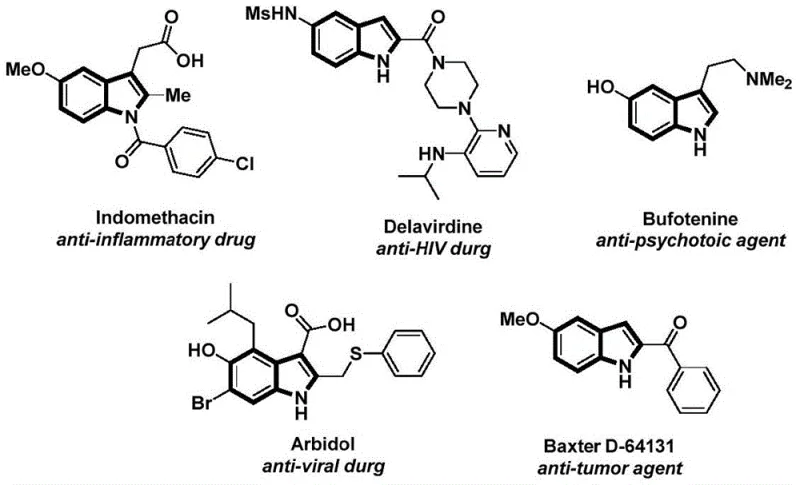
The Limitations of Conventional Methods vs. The Novel Approach
The Limitations of Conventional Methods
Historically, the synthesis of N-acyl indoles has presented significant challenges for process chemists and manufacturing teams. Conventional carbonylation reactions frequently necessitate the use of high-pressure carbon monoxide gas, which poses severe safety risks regarding toxicity and flammability, requiring specialized high-pressure reactors and rigorous safety protocols that drive up capital expenditure. Furthermore, many existing synthetic routes involve multi-step sequences with harsh reaction conditions, such as strong acids or elevated temperatures, which can lead to poor atom economy and the generation of difficult-to-remove impurities. These factors collectively contribute to extended lead times for high-purity pharmaceutical intermediates and increased production costs, creating bottlenecks in the supply chain for key drug substances. Additionally, the limited functional group tolerance of older methodologies often restricts the structural diversity accessible to medicinal chemists during the drug discovery phase.
The Novel Approach
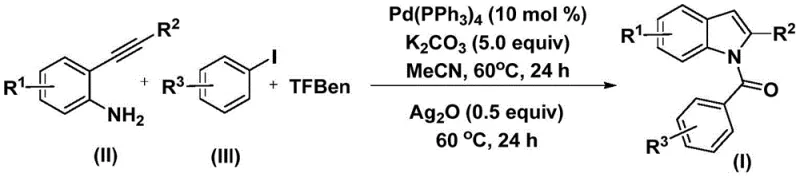
The methodology outlined in patent CN112898192B represents a paradigm shift by introducing a one-pot, two-stage protocol that circumvents the need for gaseous CO. By utilizing TFBen as a safe, solid CO source, the reaction can be performed in standard glassware under atmospheric pressure, drastically reducing infrastructure requirements. The process initiates with the coupling of 2-alkynylaniline and aryl iodide in the presence of a palladium catalyst and base, followed by the in situ release of carbon monoxide. Subsequent addition of silver oxide facilitates the cyclization step to form the N-acyl indole core. This streamlined approach not only simplifies the post-treatment procedure—often requiring only filtration and column chromatography—but also achieves high reaction efficiency with yields reaching up to 82% in optimized examples. The ability to operate at a moderate 60°C further underscores the energy efficiency and scalability of this green chemistry solution.
Mechanistic Insights into Palladium-Catalyzed Carbonylative Cyclization
The mechanistic pathway of this transformation is a sophisticated interplay of organometallic steps that ensure high selectivity and yield. The cycle begins with the oxidative addition of the aryl iodide to the zero-valent palladium catalyst, generating an aryl-palladium(II) intermediate. Concurrently, the thermal decomposition of TFBen releases carbon monoxide, which then inserts into the palladium-carbon bond to form an acyl-palladium species. This acyl intermediate subsequently undergoes nucleophilic attack or coordination with the amine group of the 2-alkynylaniline substrate. The final crucial step involves the silver-mediated cyclization, where silver oxide likely acts as an oxidant or promoter to facilitate the intramolecular ring closure, regenerating the active catalyst and releasing the final N-acyl indole product. Understanding this mechanism is vital for R&D directors aiming to optimize reaction parameters for specific substrates.
From an impurity control perspective, the use of TFBen provides a controlled, slow release of carbon monoxide, which helps maintain a steady concentration of the reactive acyl-palladium species, thereby minimizing side reactions such as homocoupling of the aryl iodide or polymerization of the alkyne. The choice of acetonitrile as the solvent is also critical, as it effectively dissolves both the organic substrates and the inorganic bases like potassium carbonate, ensuring a homogeneous reaction environment that promotes consistent conversion rates. The broad substrate scope demonstrated in the patent, accommodating electron-donating groups like methoxy and methyl as well as electron-withdrawing halogens, suggests that the electronic properties of the substrates do not severely inhibit the catalytic cycle, offering reliability for diverse synthetic targets.
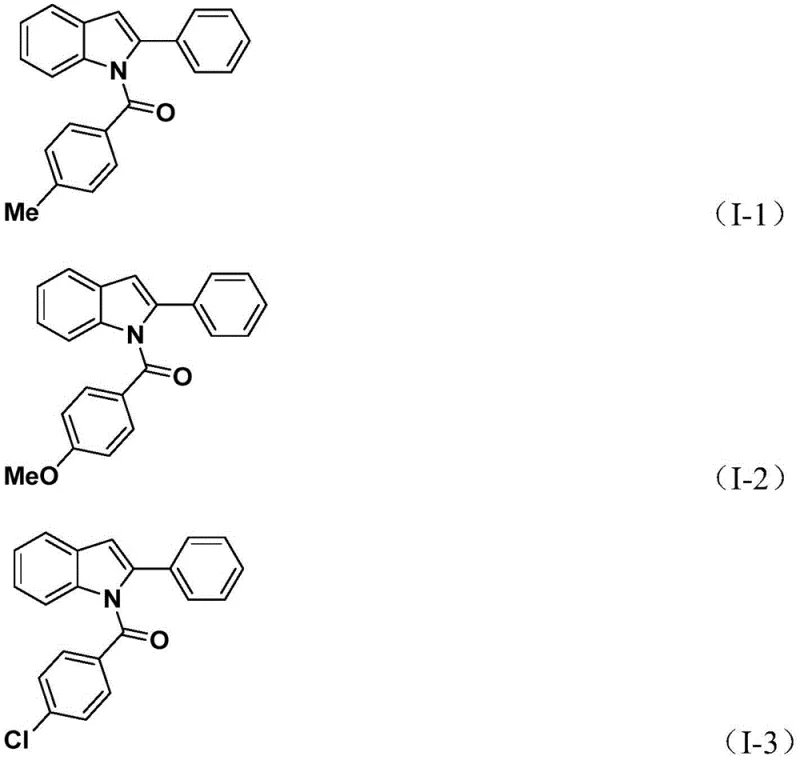
How to Synthesize N-Acyl Indole Efficiently
To implement this synthesis effectively, precise adherence to the stoichiometric ratios and thermal profiles described in the patent is essential. The protocol generally involves charging a reaction vessel with tetrakis(triphenylphosphine)palladium, potassium carbonate, TFBen, the specific 2-alkynylaniline, and the aryl iodide in acetonitrile. The mixture is stirred at 60°C for 24 hours to allow the initial carbonylation and amidation to proceed. Following this, silver oxide is introduced to the reaction mixture, and heating is continued for an additional 24 hours to drive the cyclization to completion. Detailed standardized synthetic steps see the guide below.
- Combine palladium catalyst, potassium carbonate, TFBen, 2-alkynyl aniline, and aryl iodide in acetonitrile.
- Heat the mixture at 60°C for 24 hours to facilitate the initial coupling and carbonylation.
- Add silver oxide and continue heating at 60°C for another 24 hours to complete the cyclization.
Commercial Advantages for Procurement and Supply Chain Teams
For procurement managers and supply chain heads, the adoption of this patented methodology offers tangible strategic benefits beyond mere chemical elegance. The shift from gaseous reagents to solid surrogates fundamentally alters the risk profile and logistical complexity of the manufacturing process. By eliminating the need for high-pressure CO cylinders and specialized containment systems, facilities can reduce their regulatory burden and insurance costs associated with hazardous material handling. Furthermore, the reliance on commercially available starting materials such as aryl iodides and 2-alkynylanilines ensures a stable supply chain, as these precursors are widely produced by multiple vendors globally, mitigating the risk of single-source dependency.
- Cost Reduction in Manufacturing: The economic implications of this process are profound, primarily driven by the simplification of the operational workflow. The elimination of expensive high-pressure equipment and the associated safety infrastructure results in significant capital expenditure savings. Moreover, the use of TFBen as a CO source avoids the logistical costs and safety premiums associated with transporting and storing toxic gases. The high atom economy and the ability to achieve high yields in a single pot reduce the consumption of raw materials and solvents per kilogram of product, directly lowering the variable cost of goods sold. Additionally, the simplified post-treatment, which often avoids complex extraction or distillation steps, reduces labor hours and utility consumption, contributing to substantial overall cost optimization.
- Enhanced Supply Chain Reliability: Supply continuity is paramount for pharmaceutical production, and this method enhances reliability through the use of robust, shelf-stable reagents. Unlike gaseous reagents that require just-in-time delivery and specialized storage, solid reagents like TFBen and potassium carbonate can be stocked in bulk without degradation, providing a buffer against market fluctuations or transportation disruptions. The mild reaction conditions (60°C) also reduce the strain on reactor hardware, potentially extending equipment lifespan and reducing maintenance downtime. This operational stability ensures that production schedules can be met consistently, reducing lead times for high-purity pharmaceutical intermediates and allowing for more agile responses to market demand.
- Scalability and Environmental Compliance: Scaling chemical processes from the bench to the plant often introduces new challenges, but this protocol is inherently designed for scalability. The absence of high-pressure gas evolution minimizes the risk of runaway reactions or pressure spikes in large-scale reactors, making the technology transfer smoother and safer. From an environmental standpoint, the method aligns with green chemistry principles by avoiding toxic gases and utilizing a catalytic amount of palladium. The waste stream is easier to manage compared to traditional methods, as it primarily consists of solid salts and organic solvents that can be treated using standard effluent protocols. This compliance with stringent environmental regulations facilitates faster permitting and reduces the long-term liability associated with hazardous waste disposal.
Frequently Asked Questions (FAQ)
The following questions address common technical and commercial inquiries regarding the implementation of this N-acyl indole synthesis technology. These answers are derived directly from the experimental data and technical specifications provided in the patent documentation, ensuring accuracy for decision-makers evaluating this route for potential licensing or contract manufacturing.
Q: What is the primary advantage of using TFBen over CO gas in this synthesis?
A: Using 1,3,5-tricarboxylic acid phenol ester (TFBen) as a solid carbon monoxide substitute eliminates the safety hazards and specialized equipment required for handling toxic CO gas, significantly simplifying the operational procedure and enhancing laboratory safety.
Q: What are the typical reaction conditions for this N-acyl indole preparation?
A: The reaction typically proceeds in acetonitrile solvent at a moderate temperature of 60°C. It involves a two-stage process: an initial 24-hour reaction followed by the addition of silver oxide and a subsequent 24-hour reaction period.
Q: Does this method support diverse functional groups on the substrate?
A: Yes, the method demonstrates excellent substrate compatibility, tolerating various substituents such as methyl, methoxy, halogens (F, Cl, Br), and trifluoromethyl groups on both the aniline and aryl iodide components without significant loss in yield.
Partnering with NINGBO INNO PHARMCHEM: Your Reliable N-Acyl Indole Supplier
At NINGBO INNO PHARMCHEM, we recognize the critical role that advanced synthetic methodologies play in accelerating drug development and commercialization. Our team of expert chemists has extensively evaluated the palladium-catalyzed carbonylation route described in CN112898192B and possesses the technical capability to execute this chemistry with precision. We bring extensive experience scaling diverse pathways from 100 kgs to 100 MT/annual commercial production, ensuring that your transition from clinical trials to market supply is seamless. Our state-of-the-art facilities are equipped with rigorous QC labs capable of meeting stringent purity specifications, guaranteeing that every batch of N-acyl indole intermediate meets the highest quality standards required by global regulatory bodies.
We invite you to collaborate with us to leverage this innovative technology for your next project. By partnering with our technical procurement team, you can access a Customized Cost-Saving Analysis tailored to your specific volume requirements and timeline. We encourage you to contact us today to request specific COA data for our catalog compounds or to discuss route feasibility assessments for your proprietary molecules. Let us help you optimize your supply chain and reduce your time to market with our reliable pharmaceutical intermediate solutions.