
Scalable Electrochemical N-N Coupling for High-Purity Hydrazine Intermediates
Introduction to Advanced Electrochemical N-N Coupling
The pharmaceutical and fine chemical industries are constantly seeking sustainable methodologies to construct nitrogen-nitrogen bonds, which are pivotal scaffolds in bioactive molecules ranging from antibacterial agents to anticancer therapeutics. Patent CN112126942B introduces a groundbreaking electrochemical strategy that facilitates the direct oxidative coupling of secondary aromatic amines, specifically N-methylaniline analogues, to generate valuable tetra-substituted hydrazine compounds. Unlike traditional approaches that rely on harsh chemical oxidants or toxic transition metals, this innovation utilizes electrons as clean reagents within a simple undivided cell setup. By leveraging a graphite anode and a platinum cathode in a mixed solvent system, the process achieves efficient N-N bond formation under mild conditions, marking a significant paradigm shift towards greener synthetic organic chemistry. This technology not only addresses the growing regulatory pressure to reduce heavy metal residues in API intermediates but also offers a robust pathway for the scalable manufacturing of complex hydrazine derivatives essential for modern drug discovery pipelines.
The Limitations of Conventional Methods vs. The Novel Approach
The Limitations of Conventional Methods
Historically, the synthesis of polysubstituted hydrazines has been plagued by significant operational and environmental challenges inherent to classical oxidative coupling protocols. Traditional methods frequently necessitate the use of stoichiometric amounts of strong chemical oxidants, such as peroxides or hypervalent iodine reagents, which generate substantial quantities of hazardous waste and pose serious safety risks during handling and storage. Furthermore, many established routes depend heavily on expensive transition metal catalysts, including palladium or copper complexes, which not only inflate raw material costs but also introduce difficult-to-remove metal impurities that require rigorous and costly purification steps to meet pharmaceutical standards. The reliance on strong base additives and inert atmosphere protection in these conventional processes further complicates the operational workflow, increasing energy consumption and limiting the substrate scope due to sensitivity to moisture and oxygen. Consequently, these factors collectively hinder the economic viability and environmental sustainability of producing hydrazine intermediates on a commercial scale, creating an urgent demand for cleaner alternatives.
The Novel Approach
In stark contrast to these legacy techniques, the electrochemical method disclosed in the patent offers a streamlined and environmentally benign solution by replacing chemical oxidants with electrical energy. This novel approach operates under mild conditions, typically at 50°C, utilizing a simple mixture of acetonitrile, water, and ethanol as the solvent medium, which drastically reduces the toxicity profile of the reaction system. The core innovation lies in the sequential anodic oxidation and cathodic reduction events that drive the coupling of N-methylaniline derivatives without the need for external metal catalysts or aggressive additives. By employing inexpensive electrolytes like sodium nitrite and maintaining a constant current, the process ensures high atom economy where hydrogen gas is theoretically the only byproduct, aligning perfectly with the principles of green chemistry. This simplification of the reaction setup not only lowers the barrier to entry for manufacturing but also enhances the safety profile by eliminating the risks associated with storing and handling powerful oxidizing agents in large quantities.
Mechanistic Insights into Electrochemical Oxidative Coupling
The mechanistic pathway of this electrochemical transformation involves a sophisticated interplay of electron transfer processes at the electrode interfaces that facilitate the formation of the N-N bond with high selectivity. At the anode, the secondary aromatic amine substrate undergoes a single-electron oxidation to generate a reactive radical cation intermediate, which is the key species responsible for the subsequent coupling event. This radical cation is stabilized by the resonance of the aromatic ring and the lone pair on the nitrogen atom, allowing it to persist long enough to encounter another radical species or neutral molecule in the diffusion layer. Simultaneously, at the cathode, a reduction process occurs to balance the charge, often involving the reduction of protons to hydrogen gas or the reduction of the electrolyte species to regenerate active mediators. The presence of sodium nitrite as an electrolyte plays a crucial role in mediating the electron transfer and potentially stabilizing the intermediate species, ensuring that the reaction proceeds efficiently without over-oxidation of the product.
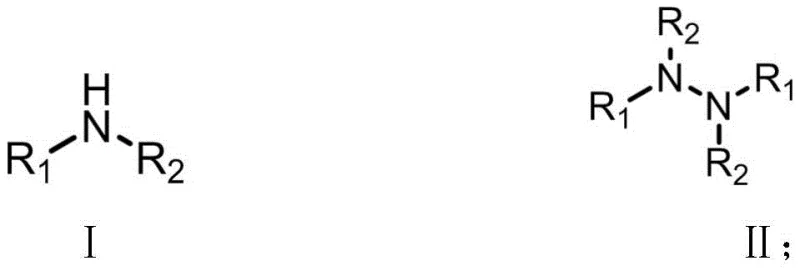
Controlling the reaction parameters, such as current density and temperature, is critical to managing the concentration of these radical intermediates and preventing side reactions like polymerization or decomposition. The mild potential applied across the graphite and platinum electrodes is carefully tuned to match the oxidation potential of the specific amine substrate, thereby minimizing the formation of unwanted byproducts that often plague chemically driven oxidations. This precise control over the redox environment allows for a cleaner impurity profile, as the reaction can be stopped exactly when the starting material is consumed, avoiding the degradation of the sensitive hydrazine product. Furthermore, the absence of metal catalysts means there is no risk of metal-mediated side reactions or catalyst deactivation, leading to a more predictable and reproducible process that is ideal for the synthesis of high-value pharmaceutical intermediates where purity is paramount.
How to Synthesize Tetra-Substituted Hydrazines Efficiently
To implement this cutting-edge synthesis in a laboratory or pilot setting, operators must adhere to a precise protocol that optimizes the electrochemical parameters for maximum yield and purity. The process begins with the preparation of the electrolytic cell, where a graphite carbon rod serves as the sacrificial anode and a platinum sheet acts as the cathode, immersed in a tailored solvent mixture of acetonitrile, water, and ethanol. The substrate, typically an N-methylaniline analogue, is dissolved along with sodium nitrite as the supporting electrolyte, creating a conductive medium that facilitates efficient ion transport between the electrodes. Upon applying a constant current of approximately 8mA at a controlled temperature of 50°C, the reaction proceeds smoothly over a period of 5 hours, monitored by TLC to ensure complete conversion of the starting amine. Detailed standardized synthesis steps for scaling this reaction are provided in the guide below.
- Prepare the electrolytic cell with a graphite carbon rod anode and a platinum sheet cathode, ensuring proper immersion in the solvent mixture.
- Dissolve the secondary aromatic amine substrate and sodium nitrite electrolyte in a mixed solvent of acetonitrile, water, and ethanol.
- Apply a constant current of 8mA at 50°C for 5 hours, then purify the resulting hydrazine compound via silica gel column chromatography.
Commercial Advantages for Procurement and Supply Chain Teams
For procurement managers and supply chain directors, the adoption of this electrochemical methodology presents a compelling value proposition centered around cost efficiency and supply chain resilience. By eliminating the dependency on precious metal catalysts like palladium or rhodium, manufacturers can significantly reduce the raw material costs associated with catalyst procurement and the subsequent expenses related to metal scavenging and recovery processes. The use of commodity chemicals such as sodium nitrite and common solvents like ethanol and acetonitrile ensures a stable and readily available supply base, mitigating the risks of shortages or price volatility often seen with specialized reagents. Moreover, the simplified workup procedure, which involves basic extraction and column chromatography without the need for complex metal removal steps, translates into shorter production cycles and reduced labor costs. This operational simplicity allows for faster turnaround times from synthesis to final product isolation, enhancing the overall agility of the supply chain in responding to market demands for hydrazine intermediates.
- Cost Reduction in Manufacturing: The elimination of expensive transition metal catalysts and stoichiometric oxidants directly lowers the bill of materials, while the reduced need for specialized waste treatment for heavy metals further decreases operational expenditures. The energy efficiency of the constant current electrolysis, combined with the ability to run reactions at moderate temperatures, contributes to a lower overall carbon footprint and utility costs. Additionally, the high atom economy of the reaction minimizes waste generation, reducing the costs associated with waste disposal and environmental compliance. These cumulative savings make the electrochemical route economically superior to traditional methods, especially when scaled to multi-kilogram or ton-level production.
- Enhanced Supply Chain Reliability: Sourcing strategies are greatly simplified as the key reagents are bulk commodities with multiple global suppliers, reducing the risk of single-source dependency. The robustness of the reaction conditions, which tolerate moisture and do not require stringent inert atmospheres, allows for more flexible manufacturing schedules and reduces the likelihood of batch failures due to environmental factors. This reliability ensures consistent delivery of high-quality intermediates to downstream customers, strengthening long-term partnerships and contractual obligations. Furthermore, the scalability of the electrochemical setup means that production capacity can be easily expanded by adding more cells or increasing electrode surface area without major infrastructure overhauls.
- Scalability and Environmental Compliance: The green nature of this process aligns perfectly with increasingly stringent global environmental regulations, positioning manufacturers as leaders in sustainable chemistry. The theoretical generation of hydrogen gas as the only byproduct simplifies effluent management and reduces the burden on wastewater treatment facilities. The absence of toxic metal residues in the final product streamlines regulatory filings and quality control testing, accelerating time-to-market for new drug applications. This environmental advantage is not just a compliance metric but a competitive differentiator that appeals to eco-conscious pharmaceutical partners seeking to reduce their Scope 3 emissions.
Frequently Asked Questions (FAQ)
The following questions address common technical and commercial inquiries regarding the implementation of this electrochemical N-N coupling technology in industrial settings. These insights are derived directly from the experimental data and technical specifications outlined in the patent documentation to provide clarity on process capabilities. Understanding these aspects is crucial for R&D teams evaluating the feasibility of adopting this method for their specific synthetic routes. The answers reflect the practical benefits observed in pilot studies and the theoretical advantages of the electrochemical approach.
Q: What are the advantages of this electrochemical method over traditional metal-catalyzed coupling?
A: This method eliminates the need for expensive transition metal catalysts and stoichiometric chemical oxidants, significantly reducing heavy metal contamination risks and downstream purification costs while improving atom economy.
Q: Can this process be scaled for industrial production of hydrazine intermediates?
A: Yes, the use of simple undivided cells, inexpensive electrolytes like sodium nitrite, and mild reaction conditions (50°C) makes the process highly adaptable for commercial scale-up in microchannel or large-scale electrolytic reactors.
Q: What is the typical purity profile of the synthesized tetra-substituted hydrazines?
A: The reaction yields high-purity products (up to 80% isolated yield in optimized examples) with minimal byproducts, as the electrochemical potential can be precisely controlled to avoid over-oxidation or decomposition of the sensitive N-N bond.
Partnering with NINGBO INNO PHARMCHEM: Your Reliable Tetra-Substituted Hydrazine Supplier
At NINGBO INNO PHARMCHEM, we recognize the transformative potential of electrochemical synthesis in delivering high-value intermediates with unmatched purity and efficiency. As a premier CDMO partner, we possess extensive experience scaling diverse pathways from 100 kgs to 100 MT/annual commercial production, ensuring that your transition from lab-scale discovery to full-scale manufacturing is seamless and secure. Our state-of-the-art facilities are equipped with advanced electrochemical reactors and stringent purity specifications, supported by rigorous QC labs that guarantee every batch meets the highest international standards. We are committed to leveraging innovations like patent CN112126942B to provide our clients with a competitive edge through superior process chemistry and sustainable manufacturing practices.
We invite you to collaborate with our technical procurement team to explore how this electrochemical route can optimize your specific supply chain requirements. Contact us today to request a Customized Cost-Saving Analysis tailored to your project needs, and let us provide you with specific COA data and route feasibility assessments. By partnering with us, you gain access to a reliable source of high-purity hydrazine derivatives that will accelerate your drug development timelines and enhance your product's market readiness.