
Advanced Pd-Catalyzed Synthesis of 2-Trifluoromethyl Imidazoles for Commercial Scale-Up
Advanced Pd-Catalyzed Synthesis of 2-Trifluoromethyl Imidazoles for Commercial Scale-Up
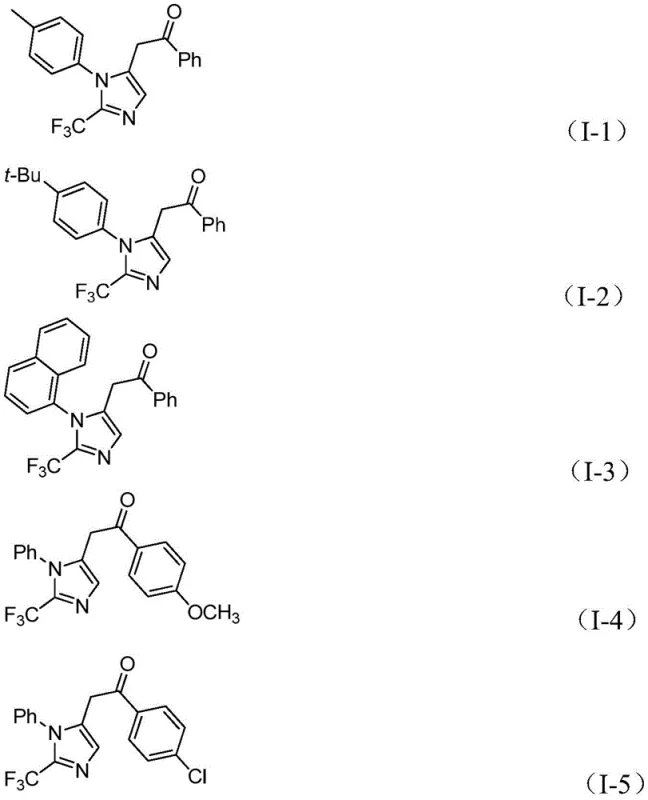
The pharmaceutical and fine chemical industries are constantly seeking robust methodologies to access fluorinated heterocycles, which are critical motifs in modern drug design due to their enhanced metabolic stability and lipophilicity. A significant breakthrough in this domain is detailed in Chinese Patent CN111423381B, which discloses a highly efficient preparation method for 2-trifluoromethyl substituted imidazole compounds. This novel synthetic route leverages a transition metal palladium-catalyzed carbonylation series reaction, utilizing trifluoroethylimidoyl chloride, propargylamine, and diaryl iodonium salts as key starting materials. Unlike traditional methods that often require harsh conditions or expensive fluorinating agents, this process operates under remarkably mild conditions at 30°C, offering a streamlined pathway for generating diverse imidazole derivatives. For R&D directors and procurement specialists, this technology represents a pivotal shift towards more sustainable and cost-effective manufacturing of high-value nitrogen-containing heterocycles.
The Limitations of Conventional Methods vs. The Novel Approach
The Limitations of Conventional Methods
Historically, the synthesis of nitrogen-containing heterocycles bearing trifluoromethyl functional groups has been fraught with significant challenges that hinder large-scale adoption. Conventional strategies often rely on the direct reaction of synthons containing trifluoromethyl groups with suitable substrates, frequently employing reagents like trifluorodiazoethane or specialized trifluoroethylimidoyl halides that are not widely available or are prohibitively expensive. Furthermore, many existing protocols necessitate elevated temperatures, high pressures, or the use of hazardous gases such as carbon monoxide, which introduce severe safety risks and complicate reactor engineering. The limited substrate compatibility of older methods often results in poor yields when dealing with electron-deficient or sterically hindered aryl groups, forcing chemists to develop bespoke routes for each new analog. These inefficiencies translate directly into extended development timelines and inflated production costs, creating bottlenecks for reliable pharmaceutical intermediate supplier networks trying to meet tight project deadlines.
The Novel Approach
The methodology described in the patent data offers a transformative solution by integrating a palladium-catalyzed carbonylation cascade that elegantly constructs the imidazole core. By employing cheap and easily obtained trifluoroethyliminato chloride and propargylamine alongside diaryl iodide salts, the process achieves high reaction efficiency with exceptional functional group tolerance. The use of formic acid and acetic anhydride serves as a safe, in situ source of carbon monoxide, eliminating the need for handling toxic CO gas cylinders while maintaining high conversion rates. This approach allows for the synthesis of variously substituted imidazole compounds with trifluoromethyl groups through simple substrate design, significantly broadening the utility of the method for medicinal chemistry campaigns. The operational simplicity, combined with the ability to run reactions at ambient temperatures (30°C), drastically reduces energy consumption and simplifies the engineering controls required for commercial implementation.

Mechanistic Insights into Pd-Catalyzed Carbonylation Cyclization
From a mechanistic perspective, this transformation is a sophisticated orchestration of organometallic steps that ensures high fidelity in product formation. The reaction initiates with the formation of an intermolecular carbon-nitrogen bond promoted by alkali, yielding a trifluoroacetamidine compound which subsequently undergoes isomerization. The palladium catalyst then engages the alkyne moiety of the propargylamine derivative through palladation, generating a key alkenyl palladium intermediate. This species undergoes further isomerization to an alkyl palladium intermediate, setting the stage for the critical carbonylation event. Under the action of carbon monoxide released from the formic acid and acetic anhydride mixture, an acyl palladium intermediate is formed. The cycle concludes with the oxidative addition of the diaryl iodonium salt to generate a tetravalent palladium species, followed by reductive elimination to release the final 2-trifluoromethyl-substituted imidazole product and regenerate the active catalyst.
Impurity control is inherently managed by the mild thermal profile of the reaction, which suppresses side reactions such as polymerization of the alkyne or decomposition of the sensitive imidoyl chloride. The specific choice of ligands, such as triphenylphosphine, stabilizes the palladium center and facilitates the necessary oxidative addition and reductive elimination steps with high selectivity. The use of sodium bicarbonate as a base ensures neutralization of acidic byproducts without promoting hydrolysis of the sensitive intermediates. This precise control over the catalytic cycle results in clean reaction profiles, as evidenced by the high isolated yields ranging from 65% to 97% across a wide array of substrates, including those with electron-withdrawing groups like nitro and halogens. Such robustness is essential for maintaining stringent purity specifications required in API manufacturing.
How to Synthesize 2-Trifluoromethyl Imidazole Efficiently
The practical execution of this synthesis is designed for ease of operation, making it highly attractive for process chemistry teams looking to rapidly access material. The protocol involves mixing the palladium catalyst, ligand, additives, and substrates in a common organic solvent like tetrahydrofuran (THF), followed by stirring at a controlled temperature. The simplicity of the workup procedure, which typically involves filtration and standard column chromatography, minimizes the technical burden on laboratory staff. For those interested in replicating this high-efficiency route, the detailed standardized synthesis steps are outlined below to ensure reproducibility and safety.
- Mix palladium chloride, triphenylphosphine, sodium bicarbonate, acetic anhydride, and formic acid in an organic solvent like THF.
- Add trifluoroethylimidoyl chloride, propargylamine, and diaryl iodonium salt to the reaction mixture.
- Stir the reaction at 30°C for 16-24 hours, then filter and purify via column chromatography to obtain the final product.
Commercial Advantages for Procurement and Supply Chain Teams
For procurement managers and supply chain heads, the adoption of this synthetic route offers compelling economic and logistical benefits that extend beyond simple yield metrics. The reliance on commercially available starting materials such as aromatic amines, alkynylamines, and palladium chloride means that sourcing risks are minimized, ensuring a stable supply chain even during market fluctuations. The elimination of exotic reagents and the use of standard solvents like THF simplify inventory management and reduce the need for specialized storage infrastructure. Furthermore, the mild reaction conditions significantly lower energy costs associated with heating and cooling, contributing to a greener and more cost-efficient manufacturing footprint. These factors collectively enhance the overall viability of producing complex fluorinated heterocycles at scale.
- Cost Reduction in Manufacturing: The process utilizes relatively inexpensive palladium chloride compared to other noble metal catalysts, and the ligand system (triphenylphosphine) is commodity-grade, driving down the raw material cost per kilogram. By avoiding high-pressure equipment and hazardous gas handling, the capital expenditure (CAPEX) for reactor setup is substantially reduced, allowing for deployment in standard glass-lined or stainless steel vessels. The high atom economy and minimal waste generation further contribute to substantial cost savings by reducing disposal fees and raw material consumption. This economic efficiency makes the method particularly suitable for cost reduction in API manufacturing where margin pressure is high.
- Enhanced Supply Chain Reliability: Since the key building blocks like trifluoroethylimidoyl chloride and diaryl iodonium salts can be prepared from widely available precursors, the risk of supply disruption is significantly mitigated. The robustness of the reaction against varying substrate electronics means that a single platform technology can be used to produce a wide library of analogs, reducing the need for multiple distinct supply chains for different projects. This flexibility allows manufacturers to respond quickly to changing demand patterns without requalifying entirely new processes. Consequently, partners can rely on a consistent and dependable source of high-purity intermediates, reducing lead time for high-purity pharmaceutical intermediates.
- Scalability and Environmental Compliance: The protocol has been demonstrated to be expandable to the gram level with potential for industrial large-scale production, indicating strong scalability characteristics. The use of formic acid as a CO surrogate avoids the regulatory and safety hurdles associated with storing and transporting bulk carbon monoxide, simplifying environmental compliance and permitting. Simple post-treatment procedures involving filtration and chromatography facilitate easy purification, ensuring that the final product meets rigorous quality standards with minimal environmental impact. This alignment with green chemistry principles supports long-term sustainability goals for modern chemical enterprises.
Frequently Asked Questions (FAQ)
The following questions address common technical inquiries regarding the implementation and scope of this patented technology. These insights are derived directly from the experimental data and beneficial effects reported in the patent documentation, providing clarity for technical teams evaluating this route for their own pipelines. Understanding these nuances is critical for assessing the feasibility of integrating this chemistry into existing manufacturing workflows.
Q: What are the key advantages of this Pd-catalyzed method over traditional imidazole synthesis?
A: This method operates at a mild temperature of 30°C, utilizes cheap and readily available starting materials like trifluoroethylimidoyl chloride, and demonstrates excellent substrate compatibility with yields up to 97%.
Q: Can this process be scaled for industrial production of pharmaceutical intermediates?
A: Yes, the patent explicitly states the method can be expanded to the gram level and provides possibilities for industrial large-scale production due to simple operation and easy post-treatment procedures.
Q: What is the role of formic acid and acetic anhydride in this reaction?
A: Formic acid and acetic anhydride act as a carbon monoxide alternative (CO source) in situ, facilitating the carbonylation step essential for forming the imidazole ring structure without requiring high-pressure CO gas.
Partnering with NINGBO INNO PHARMCHEM: Your Reliable 2-Trifluoromethyl Imidazole Supplier
At NINGBO INNO PHARMCHEM, we recognize the strategic importance of efficient fluorination technologies in the development of next-generation therapeutics. Our team possesses extensive experience scaling diverse pathways from 100 kgs to 100 MT/annual commercial production, ensuring that promising laboratory discoveries like this Pd-catalyzed imidazole synthesis can be successfully translated into industrial reality. We maintain stringent purity specifications and operate rigorous QC labs to guarantee that every batch of 2-trifluoromethyl imidazole delivered meets the exacting standards required for clinical and commercial applications. Our commitment to quality and consistency makes us a trusted partner for global pharmaceutical companies seeking to secure their supply of critical intermediates.
We invite you to collaborate with us to leverage this advanced synthetic methodology for your specific project needs. Our technical procurement team is ready to provide a Customized Cost-Saving Analysis tailored to your volume requirements and timeline. Please contact us today to request specific COA data and route feasibility assessments, and let us demonstrate how our expertise can accelerate your drug development program while optimizing your manufacturing costs.