
Advanced Metal-Free Synthesis of 3-Quinolyl-5-Trifluoromethyl-1,2,4-Triazole Intermediates for Commercial Scale
The pharmaceutical and fine chemical industries are constantly seeking more efficient pathways to construct complex heterocyclic scaffolds, particularly those containing nitrogen-rich motifs like the 1,2,4-triazole ring. Patent CN113307790B introduces a groundbreaking preparation method for 3-quinolyl-5-trifluoromethyl substituted 1,2,4-triazole compounds, addressing critical bottlenecks in current synthetic methodologies. This innovation leverages a novel oxidative cyclization strategy that bypasses the need for harsh reaction environments or toxic heavy metal catalysts, which have historically plagued the production of these valuable intermediates. By utilizing readily available starting materials such as 2-methylquinoline and trifluoroethylimide hydrazide, the process offers a streamlined approach that is not only chemically elegant but also commercially viable for large-scale operations. The significance of this technology lies in its ability to produce high-purity intermediates with improved atom economy, directly impacting the cost structure and supply chain stability for downstream drug manufacturers. As we delve into the technical specifics, it becomes clear that this patent represents a substantial leap forward in the synthesis of bioactive heterocycles used in modern medicinal chemistry.
The Limitations of Conventional Methods vs. The Novel Approach
The Limitations of Conventional Methods
Historically, the synthesis of quinolyl-substituted 1,2,4-triazoles has been fraught with significant inefficiencies that hinder commercial adoption. Traditional routes often rely on quinoline-2-formic acid as a primary raw material, necessitating a cumbersome five-step reaction sequence to achieve the final target molecule. This multi-step approach inherently suffers from cumulative yield losses, with total yields reported as low as 17%, rendering the process economically unfeasible for high-volume production. Furthermore, conventional methods typically demand severe reaction conditions, including strict anhydrous and oxygen-free environments, which require specialized equipment and increase operational complexity. The reliance on transition metal catalysts in older methodologies introduces another layer of difficulty, as residual heavy metals must be rigorously removed to meet pharmaceutical purity standards, adding costly purification steps. These factors combined create a high barrier to entry for reliable suppliers, leading to supply chain fragility and inflated costs for procurement managers seeking these critical intermediates.
The Novel Approach
In stark contrast, the methodology disclosed in CN113307790B revolutionizes the synthesis landscape by condensing the process into a highly efficient, one-pot oxidative cyclization. This novel approach utilizes a catalytic system comprising tetrabutylammonium iodide and tert-butyl peroxide aqueous solution, which promotes the direct coupling of 2-methylquinoline and trifluoroethylimide hydrazide. The reaction proceeds smoothly at moderate temperatures between 80°C and 100°C, eliminating the need for cryogenic conditions or inert gas protection. By avoiding the use of heavy metal catalysts, the process inherently produces a cleaner crude product, drastically simplifying the downstream purification workflow. The robustness of this method allows for a wider tolerance of functional groups, enabling the synthesis of diverse derivatives with varying substituents on the aryl and quinoline rings. This flexibility not only enhances the utility of the method for R&D teams exploring structure-activity relationships but also provides procurement teams with a more stable and cost-effective sourcing option for complex pharmaceutical intermediates.

Mechanistic Insights into TBAI/TBHP Promoted Oxidative Cyclization
The core of this technological breakthrough lies in the unique mechanistic pathway facilitated by the tetrabutylammonium iodide (TBAI) and tert-butyl hydroperoxide (TBHP) system. In this reaction, TBAI acts as a catalyst that, in conjunction with the oxidant TBHP, promotes the oxidation of 2-methylquinoline to generate a reactive 2-quinoline carbaldehyde intermediate in situ. This transient aldehyde species then undergoes a condensation reaction with the trifluoroethylimide hydrazide to form a dehydrated hydrazone intermediate. Subsequent oxidative iodination and intramolecular electrophilic substitution reactions drive the cyclization process, ultimately leading to aromatization and the formation of the stable 1,2,4-triazole ring. The presence of diphenylphosphoric acid as an additive further enhances the reaction efficiency, likely by stabilizing intermediates or facilitating proton transfer steps. This metal-free radical or electrophilic pathway ensures that the final product is free from transition metal contamination, a critical quality attribute for API intermediates intended for human therapeutic use.
Impurity control is another area where this mechanism excels, providing R&D directors with confidence in the purity profile of the synthesized compounds. The specificity of the oxidative cyclization minimizes the formation of side products that are common in multi-step syntheses, such as over-oxidized byproducts or incomplete condensation species. The use of diphenylphosphoric acid helps to regulate the acidity of the reaction medium, preventing the degradation of sensitive functional groups on the substrate. Moreover, the reaction conditions are mild enough to preserve the integrity of the trifluoromethyl group, which is essential for the biological activity of the final drug candidate. The ability to tolerate various substituents, such as methyl, methoxy, halogen, or nitro groups on the aromatic rings, demonstrates the versatility of this mechanistic approach. This broad substrate scope allows for the rapid generation of analog libraries, accelerating the drug discovery process while maintaining high standards of chemical purity and structural fidelity.
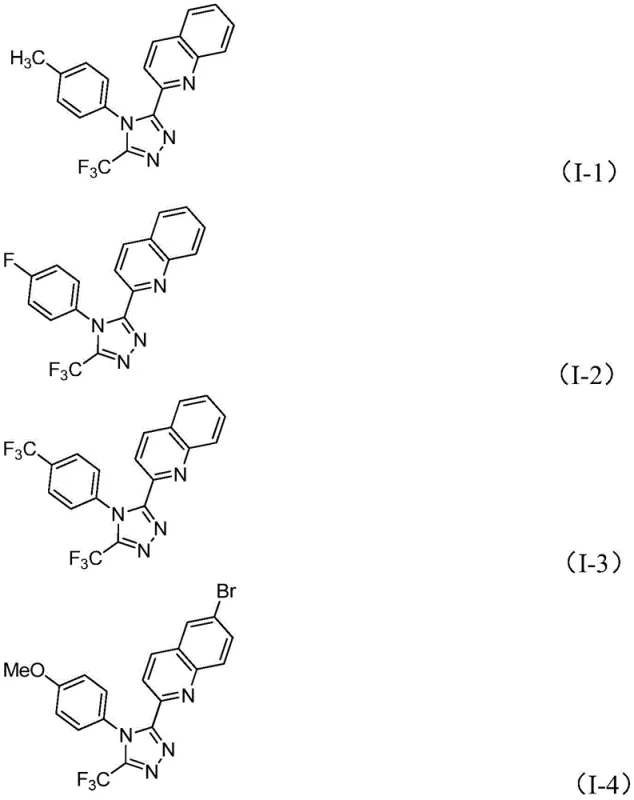
How to Synthesize 3-Quinolyl-5-Trifluoromethyl-1,2,4-Triazole Efficiently
Implementing this synthesis route requires careful attention to reagent ratios and reaction parameters to maximize yield and efficiency. The process begins with the precise combination of tetrabutylammonium iodide, tert-butyl peroxide aqueous solution, diphenylphosphoric acid, trifluoroethylimide hydrazide, and 2-methylquinoline in a suitable organic solvent like DMSO. The molar ratios are critical, with optimal results achieved when using approximately 1.2 equivalents of TBAI and 4.0 equivalents of TBHP relative to the substrate. Heating the mixture to 90°C for about 12 hours ensures complete conversion, after which standard workup procedures involving filtration and chromatography yield the high-purity product. For detailed operational protocols and safety guidelines, please refer to the standardized synthesis steps outlined below.
- Combine tetrabutylammonium iodide, tert-butyl peroxide aqueous solution, diphenylphosphoric acid, trifluoroethylimide hydrazide, and 2-methylquinoline in an organic solvent such as DMSO.
- Heat the reaction mixture to a temperature range of 80°C to 100°C and maintain stirring for a duration of 8 to 14 hours to ensure complete conversion.
- Upon completion, perform post-treatment involving filtration and silica gel mixing, followed by column chromatography purification to isolate the target triazole compound.
Commercial Advantages for Procurement and Supply Chain Teams
From a commercial perspective, this patented synthesis method offers transformative advantages that directly address the pain points of procurement managers and supply chain heads. The elimination of expensive transition metal catalysts removes a significant cost driver from the manufacturing equation, as there is no longer a need for specialized scavenging resins or complex metal removal processes. This simplification translates into substantial cost savings in raw material procurement and waste management, making the final intermediate more price-competitive in the global market. Furthermore, the use of cheap and easily obtainable starting materials like 2-methylquinoline ensures a stable supply base, reducing the risk of shortages that can disrupt production schedules. The robustness of the reaction conditions, which do not require stringent anhydrous or oxygen-free environments, lowers the capital expenditure required for manufacturing facilities, allowing for more flexible and scalable production capabilities.
- Cost Reduction in Manufacturing: The shift to a metal-free catalytic system fundamentally alters the cost structure of producing these triazole intermediates. By removing the dependency on precious metal catalysts, manufacturers can avoid the volatility associated with metal prices and the high costs of catalyst recovery systems. Additionally, the simplified post-treatment process reduces solvent consumption and labor hours associated with purification, leading to a leaner manufacturing operation. These efficiencies accumulate to provide significant margin improvements, allowing suppliers to offer more competitive pricing without compromising on quality. The overall reduction in process complexity means that resources can be reallocated to other areas of value creation, enhancing the overall economic viability of the supply chain.
- Enhanced Supply Chain Reliability: Supply chain continuity is paramount for pharmaceutical manufacturers, and this new method significantly de-risks the sourcing of critical intermediates. Since the starting materials are commodity chemicals available from multiple vendors, the supply chain is less vulnerable to single-source disruptions. The mild reaction conditions also mean that production can be ramped up quickly in response to demand spikes, as there is no need for specialized infrastructure like gloveboxes or dry rooms. This agility ensures that lead times can be minimized, providing procurement teams with greater certainty in their planning and inventory management. The ability to source high-quality intermediates reliably supports the uninterrupted production of downstream APIs, safeguarding patient access to essential medications.
- Scalability and Environmental Compliance: Scaling chemical processes from the lab to the plant often introduces new challenges, but this oxidative cyclization route is inherently designed for scalability. The use of aqueous tert-butyl peroxide and common organic solvents facilitates heat transfer and mixing in large reactors, reducing the risk of thermal runaways. Moreover, the absence of heavy metals aligns with increasingly stringent environmental regulations regarding waste disposal and effluent treatment. This eco-friendly profile not only reduces compliance costs but also enhances the sustainability credentials of the supply chain, a growing priority for corporate social responsibility initiatives. The combination of scalability and environmental stewardship makes this method an ideal choice for long-term commercial partnerships.
Frequently Asked Questions (FAQ)
Understanding the technical nuances of this synthesis method is crucial for stakeholders evaluating its potential impact on their operations. The following questions address common inquiries regarding the practical implementation and benefits of this patented technology. These answers are derived directly from the experimental data and technical disclosures within the patent documentation, ensuring accuracy and relevance for decision-makers.
Q: Does this synthesis method require expensive transition metal catalysts?
A: No, the patented process utilizes a metal-free catalytic system based on tetrabutylammonium iodide and tert-butyl peroxide, eliminating the need for costly heavy metal removal steps.
Q: What are the reaction conditions regarding moisture and oxygen sensitivity?
A: The method is robust and does not require strict anhydrous or oxygen-free conditions, significantly simplifying operational requirements compared to traditional five-step routes.
Q: Is this process suitable for large-scale manufacturing of pharmaceutical intermediates?
A: Yes, the use of cheap, commercially available starting materials and simple post-processing makes this route highly amenable to commercial scale-up and industrial production.
Partnering with NINGBO INNO PHARMCHEM: Your Reliable 3-Quinolyl-5-Trifluoromethyl-1,2,4-Triazole Supplier
At NINGBO INNO PHARMCHEM, we recognize the strategic importance of adopting advanced synthetic methodologies to maintain a competitive edge in the global pharmaceutical market. Our team of expert chemists has thoroughly analyzed the potential of patent CN113307790B and is well-equipped to translate this laboratory innovation into commercial reality. We possess extensive experience scaling diverse pathways from 100 kgs to 100 MT/annual commercial production, ensuring that your supply needs are met with precision and consistency. Our state-of-the-art facilities are designed to handle complex organic syntheses with stringent purity specifications, supported by rigorous QC labs that guarantee every batch meets the highest industry standards. By leveraging our technical expertise, we can help you secure a stable supply of high-purity 3-quinolyl-5-trifluoromethyl-1,2,4-triazole intermediates.
We invite you to collaborate with us to explore how this innovative synthesis route can optimize your supply chain and reduce your overall manufacturing costs. Our technical procurement team is ready to provide a Customized Cost-Saving Analysis tailored to your specific volume requirements and quality expectations. Please contact us today to request specific COA data and route feasibility assessments for your upcoming projects. Together, we can drive efficiency and innovation in the production of next-generation pharmaceutical intermediates, ensuring a reliable and sustainable future for your drug development pipeline.