
Advanced Palladium-Catalyzed Synthesis of 2-Trifluoromethyl Imidazoles for Commercial API Production
Advanced Palladium-Catalyzed Synthesis of 2-Trifluoromethyl Imidazoles for Commercial API Production
The pharmaceutical industry continuously seeks robust methodologies for constructing nitrogen-containing heterocycles, particularly those bearing trifluoromethyl groups, due to their profound impact on metabolic stability and lipophilicity in drug candidates. Patent CN111423381A introduces a groundbreaking preparation method for 2-trifluoromethyl substituted imidazole compounds, addressing critical bottlenecks in current synthetic routes. This technology leverages a transition metal palladium-catalyzed carbonylation tandem reaction, utilizing readily available starting materials such as trifluoroethylimidoyl chloride, propargylamine, and diaryliodonium salts. By operating under remarkably mild conditions at 30°C, this process not only enhances safety profiles by avoiding hazardous gaseous carbon monoxide but also ensures high reaction efficiency and exceptional substrate compatibility. For R&D directors and procurement managers alike, this innovation represents a significant leap forward in the reliable supply of high-purity pharmaceutical intermediates, enabling the cost-effective production of complex molecular scaffolds essential for next-generation therapeutics.
The Limitations of Conventional Methods vs. The Novel Approach
The Limitations of Conventional Methods
Historically, the synthesis of trifluoromethyl-substituted nitrogen heterocycles has been plagued by significant operational challenges and safety concerns. Traditional literature methods predominantly rely on highly reactive and potentially explosive synthons such as trifluorodiazoethane, which require stringent safety protocols and specialized equipment to handle safely. Furthermore, many existing protocols necessitate the use of high-pressure carbon monoxide gas, introducing severe risks associated with toxicity and containment in large-scale manufacturing environments. These conventional approaches often suffer from poor functional group tolerance, limiting their applicability to complex drug-like molecules that contain sensitive moieties. Additionally, the reliance on harsh reaction conditions frequently leads to the formation of difficult-to-remove impurities, thereby complicating downstream purification processes and driving up the overall cost of goods. Such limitations create substantial barriers for supply chain heads aiming to secure consistent, high-quality batches of critical intermediates for clinical and commercial programs.
The Novel Approach
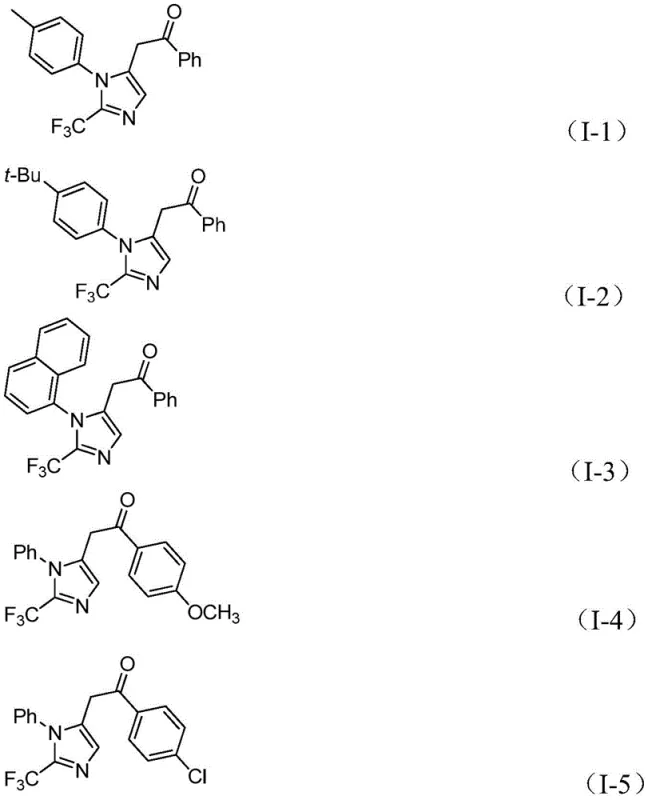
In stark contrast to these legacy methods, the novel approach detailed in the patent utilizes a sophisticated yet operationally simple palladium-catalyzed system that circumvents the need for hazardous reagents. By employing trifluoroethylimidoyl chloride as a stable trifluoromethyl synthon and generating carbon monoxide in situ from a formic acid and acetic anhydride mixture, the process eliminates the risks associated with handling toxic gases. The reaction proceeds efficiently at a low temperature of 30°C in common organic solvents like tetrahydrofuran, demonstrating remarkable compatibility with a wide array of functional groups including halogens, nitro groups, and alkyl substituents. This methodology allows for the modular design of diverse 2-trifluoromethyl imidazole derivatives simply by varying the aryl groups on the starting materials. The ability to achieve high yields, often exceeding 90% in optimized examples, coupled with a straightforward workup procedure involving filtration and column chromatography, underscores the practical utility of this route for both laboratory discovery and industrial scale-up.

Mechanistic Insights into Palladium-Catalyzed Carbonylation Tandem Reaction
The mechanistic pathway of this transformation offers fascinating insights into how modern organometallic chemistry can be harnessed to build complexity from simple precursors. The reaction is believed to initiate with a base-promoted intermolecular carbon-nitrogen bond formation between the trifluoroethylimidoyl chloride and propargylamine, yielding a trifluoroacetamidine intermediate. This species subsequently undergoes isomerization, setting the stage for the pivotal palladium-catalyzed steps. The palladium catalyst, generated from PdCl2 and triphenylphosphine, facilitates the aminopalladation of the alkyne moiety to form a vinyl-palladium intermediate, which further isomerizes to an alkyl-palladium species. Crucially, the carbon monoxide released from the formic acid/acetic anhydride mixture inserts into the palladium-carbon bond, generating an acyl-palladium intermediate. This acyl species then undergoes oxidative addition with the diaryliodonium salt to form a high-valent tetravalent palladium complex. The catalytic cycle concludes with a reductive elimination step that constructs the final imidazole ring and regenerates the active palladium catalyst, ensuring the turnover necessary for high efficiency.
From an impurity control perspective, the mild nature of this catalytic cycle is paramount. Because the reaction avoids extreme temperatures and highly reactive radical species often associated with traditional trifluoromethylation, the generation of side products is minimized. The specific choice of sodium bicarbonate as a base helps maintain a neutral to slightly basic environment, preventing the decomposition of sensitive intermediates. Furthermore, the use of diaryliodonium salts as arylating agents provides a clean leaving group profile, reducing the burden on purification teams. The high selectivity observed across various substrates, as evidenced by the successful synthesis of derivatives bearing electron-withdrawing and electron-donating groups, suggests that the catalytic system is robust against electronic perturbations. This mechanistic robustness translates directly to a cleaner crude reaction profile, allowing manufacturers to achieve stringent purity specifications with fewer purification cycles, ultimately enhancing the economic viability of the process.
How to Synthesize 2-Trifluoromethyl Imidazole Efficiently
Implementing this synthesis route requires careful attention to reagent stoichiometry and reaction parameters to maximize yield and purity. The process begins by charging a reaction vessel with the palladium catalyst system, specifically palladium chloride and triphenylphosphine, along with the base and the carbon monoxide surrogate mixture. To this mixture, the key building blocks—trifluoroethylimidoyl chloride, propargylamine, and the chosen diaryliodonium salt—are added in an aprotic organic solvent. The reaction is then allowed to stir at a controlled temperature of 30°C for a duration of 16 to 24 hours to ensure complete conversion. Following the reaction period, the mixture is subjected to a simple workup involving filtration to remove inorganic salts and catalyst residues, followed by silica gel treatment and column chromatography to isolate the pure product. For detailed standardized synthesis steps and specific molar ratios, please refer to the guide below.
- Combine palladium chloride, triphenylphosphine, sodium bicarbonate, and a formic acid/acetic anhydride mixture in an organic solvent such as THF.
- Add trifluoroethylimidoyl chloride, propargylamine, and diaryliodonium salt to the reaction mixture under stirring.
- Maintain the reaction at 30°C for 16 to 24 hours, then filter and purify the crude product via column chromatography to obtain the target compound.
Commercial Advantages for Procurement and Supply Chain Teams
For procurement managers and supply chain leaders, the adoption of this patented methodology offers transformative benefits that extend far beyond mere chemical novelty. The shift towards this palladium-catalyzed protocol addresses several critical pain points in the sourcing and manufacturing of complex heterocyclic intermediates. By replacing hazardous and expensive reagents with commercially abundant and cost-effective alternatives, the overall cost structure of the synthesis is significantly optimized. The operational simplicity of the process, which does not require high-pressure reactors or cryogenic conditions, lowers the barrier to entry for contract manufacturing organizations, thereby increasing the number of qualified suppliers in the market. This diversification of the supply base enhances supply chain resilience, reducing the risk of disruptions caused by single-source dependencies. Furthermore, the high atom economy and excellent yields contribute to a more sustainable manufacturing footprint, aligning with increasingly strict environmental regulations and corporate sustainability goals.
- Cost Reduction in Manufacturing: The economic advantages of this process are driven primarily by the substitution of costly and dangerous reagents with inexpensive, shelf-stable alternatives. The use of palladium chloride, a relatively affordable catalyst compared to specialized ligand-metal complexes, combined with the elimination of high-pressure carbon monoxide infrastructure, drastically reduces capital and operational expenditures. Additionally, the high reaction efficiency minimizes raw material waste, meaning less starting material is required to produce the same amount of product. The simplified purification process, necessitated by the clean reaction profile, further reduces the consumption of solvents and silica gel, leading to substantial cost savings in downstream processing. These cumulative efficiencies result in a lower cost of goods sold, providing a competitive edge in pricing for final API manufacturing.
- Enhanced Supply Chain Reliability: Supply chain continuity is bolstered by the widespread availability of the key starting materials utilized in this synthesis. Trifluoroethylimidoyl chloride, propargylamine, and various diaryliodonium salts are commodity chemicals that can be sourced from multiple global vendors, mitigating the risk of shortages. The robustness of the reaction conditions ensures consistent batch-to-batch quality, reducing the likelihood of failed runs that could delay project timelines. Moreover, the scalability of the method from gram to kilogram scales without significant re-optimization allows for seamless transitions from clinical trial material to commercial production. This flexibility enables supply chain heads to respond rapidly to fluctuating demand signals without compromising on lead times or product integrity.
- Scalability and Environmental Compliance: The environmental profile of this synthesis is markedly superior to traditional methods, facilitating easier regulatory approval and compliance with green chemistry principles. By generating carbon monoxide in situ from liquid precursors, the process eliminates the need for storing and transporting large quantities of toxic gas, significantly reducing workplace safety hazards. The use of common solvents like THF, which can be readily recovered and recycled, further minimizes the environmental impact of the manufacturing process. The high selectivity of the reaction reduces the generation of hazardous waste streams, simplifying waste treatment and disposal procedures. These factors collectively make the process highly amenable to large-scale industrial application, ensuring that production can be ramped up to meet commercial volumes while maintaining strict adherence to environmental, health, and safety standards.
Frequently Asked Questions (FAQ)
The following questions address common technical and commercial inquiries regarding the implementation of this synthesis technology. These answers are derived directly from the experimental data and technical specifications outlined in the patent documentation, providing clarity for stakeholders evaluating this route for their own pipelines. Understanding these nuances is crucial for making informed decisions about process adoption and supplier qualification.
Q: What are the key advantages of this palladium-catalyzed method over traditional trifluoromethylation?
A: Unlike traditional methods that often rely on hazardous trifluorodiazoethane or harsh conditions, this protocol utilizes stable trifluoroethylimidoyl chloride and operates at a mild 30°C, significantly improving safety and functional group tolerance.
Q: Can this synthesis method be scaled for industrial production?
A: Yes, the patent explicitly demonstrates scalability to the gram level with simple post-processing, indicating strong potential for kilogram-to-ton scale commercial manufacturing of pharmaceutical intermediates.
Q: What is the role of the diaryliodonium salt in this reaction mechanism?
A: The diaryliodonium salt acts as an arylating agent that undergoes oxidative addition with the palladium intermediate, facilitating the formation of the final imidazole ring structure through reductive elimination.
Partnering with NINGBO INNO PHARMCHEM: Your Reliable 2-Trifluoromethyl Imidazole Supplier
At NINGBO INNO PHARMCHEM, we recognize the critical importance of accessing advanced synthetic technologies to accelerate drug development timelines. Our team of expert chemists has thoroughly analyzed the potential of this palladium-catalyzed carbonylation route and is fully equipped to translate these laboratory findings into commercial reality. We possess extensive experience scaling diverse pathways from 100 kgs to 100 MT/annual commercial production, ensuring that your supply needs are met with precision and reliability. Our state-of-the-art facilities are designed to handle complex organometallic reactions safely and efficiently, while our rigorous QC labs guarantee that every batch meets stringent purity specifications required by global regulatory authorities. We are committed to being a strategic partner who not only supplies materials but also provides technical expertise to optimize your manufacturing processes.
We invite you to engage with our technical procurement team to discuss how this innovative synthesis method can be tailored to your specific project requirements. By partnering with us, you gain access to a Customized Cost-Saving Analysis that evaluates the economic feasibility of implementing this route for your target molecules. We encourage you to request specific COA data and route feasibility assessments to verify the quality and viability of our proposed solutions. Let us help you navigate the complexities of fine chemical manufacturing and secure a reliable supply of high-purity 2-trifluoromethyl imidazole intermediates for your next breakthrough therapy.