1,1,1-Tris(diphenylphosphino)methane
- CAS No.28926-65-0
- GradeIndustrial / Pharmaceutical
- Availability● In Stock
High-purity 1,1,1-Tris(diphenylphosphino)methane ligand for advanced pharmaceutical synthesis and homogeneous catalysis applications.
Request Bulk PricingProduct Technical Details
Product Overview
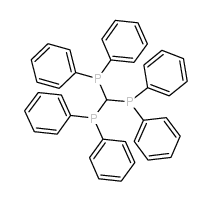
1,1,1-Tris(diphenylphosphino)methane, commonly known as Triphos, is a sophisticated tridentate phosphine ligand widely utilized in organometallic chemistry and homogeneous catalysis. This compound features a unique molecular architecture where three diphenylphosphino groups are attached to a central methane carbon atom. This structure provides exceptional stability and coordination properties, making it an indispensable reagent for complex synthetic transformations in the pharmaceutical and fine chemical industries.
Our manufacturing facility adheres to strict quality control protocols to ensure every batch meets high-performance standards. As a leading global manufacturer, we specialize in producing high-purity phosphine ligands that facilitate efficient catalytic cycles. This product is particularly valued for its ability to stabilize metal centers in various oxidation states, enabling challenging chemical reactions such as hydroformylation, hydrogenation, and carbon-carbon bond formation.
Technical Specifications
| Parameter | Value |
|---|---|
| Chemical Name | 1,1,1-Tris(diphenylphosphino)methane |
| CAS Number | 28926-65-0 |
| Molecular Formula | C37H31P3 |
| Molecular Weight | 568.56 g/mol |
| Purity | ≥98% |
| Appearance | White crystalline powder |
| Melting Point | 168-172 °C |
| Boiling Point | 653.2 °C at 760 mmHg |
| Storage Temperature | 2-8 °C |
Industrial Applications
This phosphine ligand serves as a critical component in the synthesis of active pharmaceutical ingredients (APIs) and advanced organic intermediates. Its tridentate nature allows for the formation of stable complexes with transition metals like palladium, platinum, and rhodium. These complexes are essential catalysts in cross-coupling reactions, which are fundamental steps in constructing complex molecular frameworks required for modern drug development.
Beyond pharmaceuticals, this compound is employed in material science for polymerization processes and the creation of specialized functional materials. Researchers value its consistent performance and reliability in sensitive catalytic environments. Our product supports R&D teams and production facilities aiming to optimize reaction yields and reduce waste through efficient catalytic systems.
Quality Assurance and Handling
Quality is paramount in our production process. Each lot undergoes rigorous analysis using High-Performance Liquid Chromatography (HPLC) and Nuclear Magnetic Resonance (NMR) spectroscopy to verify purity and structural integrity. We provide a comprehensive Certificate of Analysis (COA) with every shipment to ensure transparency and compliance with international standards.
- Strict moisture control during packaging to prevent oxidation.
- Secure sealing in inert atmosphere conditions.
- Batch traceability for full supply chain accountability.
For optimal stability, store the container tightly closed in a cool, dry place away from direct sunlight and moisture. Recommended storage conditions are between 2-8 °C. We offer flexible packaging options, including 25 kg drums, and can customize packaging according to specific customer requirements to ensure safe global transportation.