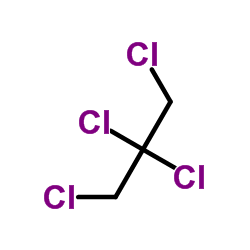
1,2,2,3-Tetrachloropropane
- CAS No.13116-53-5
- GradeIndustrial / Pharmaceutical
- Availability● In Stock
High-purity 1,2,2,3-Tetrachloropropane (CAS 13116-53-5) designed for agrochemical synthesis. Reliable supply for Diallate herbicide production with strict quality control.
Request Bulk PricingProduct Technical Details
Product Overview
1,2,2,3-Tetrachloropropane is a specialized chlorinated aliphatic hydrocarbon widely recognized for its critical role in the agrochemical industry. As a key structural building block, this compound serves as an essential precursor in the synthesis of various pesticide formulations, most notably the herbicide Diallate. Our manufacturing process ensures exceptional chemical stability and purity, making it an ideal choice for large-scale industrial applications where consistency and reliability are paramount.
We understand the stringent requirements of modern chemical synthesis. Therefore, our production facilities adhere to rigorous quality management systems to deliver a product that meets international standards. Whether used in research laboratories or full-scale manufacturing plants, this tetrachloropropane derivative provides the foundational chemistry needed for effective herbicide development.
Technical Specifications
| Parameter | Specification |
|---|---|
| CAS Number | 13116-53-5 |
| Molecular Formula | C3H4Cl4 |
| Molecular Weight | 181.876 g/mol |
| Appearance | Colorless liquid |
| Assay (Purity) | ≥99.0% |
| Density | 1.5±0.1 g/cm3 |
| Boiling Point | 176.3±8.0 °C at 760 mmHg |
| Flash Point | 62.5±15.8 °C |
| Refractive Index | 1.483 |
| Loss on Drying | ≤0.5% |
Industrial Applications
The primary application of 1,2,2,3-Tetrachloropropane lies in the synthesis of agrochemical intermediates. It is specifically utilized as a starting material for the production of Diallate, a selective herbicide used to control wild oats and other grassy weeds in cereal crops. The high purity level of our product ensures optimal reaction yields and minimizes the formation of unwanted by-products during the synthesis route.
Beyond herbicide production, this chemical intermediate finds utility in various organic synthesis processes where chlorinated propane derivatives are required. Its specific structural configuration allows for precise chemical modifications, making it a versatile component in the development of specialized agricultural solutions. Manufacturers relying on consistent feedstock quality will find our material meets the demanding specifications required for efficient downstream processing.
Quality Assurance and Safety
Quality is the cornerstone of our manufacturing philosophy. Every batch of 1,2,2,3-Tetrachloropropane undergoes comprehensive testing using advanced analytical techniques such as Gas Chromatography (GC) and Nuclear Magnetic Resonance (NMR). We provide a detailed Certificate of Analysis (COA) with every shipment, verifying parameters such as assay, moisture content, and physical properties.
- Strict adherence to ISO quality management standards.
- Comprehensive batch tracking for full traceability.
- Regular third-party testing to validate purity claims.
- Dedicated technical support for process optimization.
Safety is equally prioritized. While this compound is stable under recommended conditions, it should be handled with appropriate personal protective equipment (PPE). Users are advised to consult the Safety Data Sheet (SDS) for detailed handling instructions, hazard information, and emergency measures.
Packaging and Storage
To maintain product integrity during transit and storage, we offer flexible packaging solutions tailored to customer needs. The standard package consists of 25kg drums, securely sealed to prevent contamination and moisture absorption. Custom packaging configurations are available upon request to accommodate specific logistical requirements.
For optimal storage, keep containers tightly closed in a cool, dry, and well-ventilated area. Avoid exposure to direct sunlight, heat sources, or incompatible materials. Proper storage conditions ensure the chemical remains stable and retains its specified properties over extended periods, ready for immediate use in your production lines.