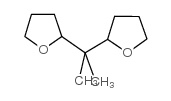
2,2-Di(2-tetrahydrofuryl)propane
- CAS No.89686-69-1
- GradeIndustrial / Pharmaceutical
- Availability● In Stock
High-purity 2,2-Di(2-tetrahydrofuryl)propane serves as a critical catalyst modifier for producing high vinyl content rubber used in high-performance tires.
Request Bulk PricingProduct Technical Details
Product Overview
2,2-Di(2-tetrahydrofuryl)propane is a specialized organic intermediate characterized by its unique bis-tetrahydrofuran structure. This compound plays a pivotal role in the polymerization industry, specifically functioning as a polar modifier in anionic polymerization processes. Our manufacturing facility ensures that every batch meets rigorous international standards, delivering consistent performance for downstream polymer production. The chemical stability and precise stereochemical configuration of this molecule make it an indispensable component for optimizing microstructure in synthetic rubber applications.
As a leading global manufacturer, we understand the critical nature of supply chain reliability for industrial chemicals. Our production capabilities are designed to support large-scale requirements while maintaining the highest levels of purity and consistency. This product is extensively utilized in the synthesis of solution styrene-butadiene rubber (SSBR) and other high-performance elastomers where control over vinyl content is essential for achieving desired physical properties in the final rubber compound.
Key Specifications
Quality control is paramount in the production of fine chemical intermediates. We employ advanced analytical techniques, including gas chromatography and Karl Fischer titration, to verify every parameter. The following table outlines the standard specifications and typical test results for our premium grade material:
| Items of Analysis | Standard of Analysis | Test Results |
|---|---|---|
| Appearance | Colorless transparent liquid | Conform |
| Purity | ≥98% | 99.6% |
| Trimer | ≤2.0% | ND |
| Tetramer | ≤0.5% | ND |
| Moisture | ≤0.1% | 0.03% |
| Conclusion | Conforms to Factory Standard | |
Industrial Applications
The primary application of 2,2-Di(2-tetrahydrofuryl)propane lies in the manufacture of high vinyl content rubber, which is a key material for high-performance tires. In anionic polymerization, this compound acts as a catalyst modifier that influences the propagation rate and the microstructure of the growing polymer chain. By adjusting the vinyl content, manufacturers can tailor the glass transition temperature and wet grip properties of the resulting rubber, which are critical factors for tire safety and fuel efficiency.
- Enhances control over polymer microstructure during synthesis.
- Improves wet grip performance in final tire applications.
- Compatible with lithium-based catalyst systems.
- Ensures consistent batch-to-batch reproducibility.
Beyond tire manufacturing, this intermediate may also find utility in other specialized polymer modifications where ether-functionalized modifiers are required to adjust polarity and reactivity. Our technical team works closely with clients to optimize usage levels based on specific polymerization conditions and desired outcome metrics.
Quality Assurance and Storage
We adhere to strict quality management systems to ensure product integrity from synthesis to delivery. Each shipment is accompanied by a comprehensive Certificate of Analysis (COA) detailing all relevant physical and chemical properties. To maintain stability, the product should be stored in a cool, dry place away from direct light and moisture sources. Proper storage conditions prevent hydrolysis and maintain the low moisture content specified in our quality standards.
Packaging options are flexible to meet diverse logistical needs. Standard packaging includes 200kg drums lined with plastic bags to ensure containment and protection during transit. Custom packaging solutions are available upon request to align with specific handling requirements or regional regulations. Our commitment to safety extends to comprehensive documentation regarding handling, storage, and emergency measures, ensuring compliance with global chemical safety standards.