2,4-Di-tert-butylphenol
- CAS No.96-76-4
- GradeIndustrial / Pharmaceutical
- Availability● In Stock
2,4-Di-tert-butylphenol (CAS 96-76-4) is a high-purity chemical intermediate essential for synthesizing antioxidants and UV stabilizers. We offer bulk quantities with strict quality control.
Request Bulk PricingProduct Technical Details
Product Overview
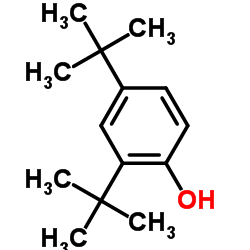
2,4-Di-tert-butylphenol is a sterically hindered phenol derivative that serves as a foundational intermediate in the synthesis of high-performance additives. With the CAS registry number 96-76-4, this compound is characterized by its unique molecular structure featuring two tert-butyl groups at the ortho and para positions relative to the hydroxyl group. This configuration provides exceptional stability and reactivity profiles required for downstream chemical manufacturing. Our facility produces this material using advanced organic synthesis techniques to ensure consistent quality and reliability for industrial clients seeking robust chemical building blocks.
The compound appears as white or off-white crystals, indicating high levels of purification achieved through rigorous crystallization processes. It is practically insoluble in water but soluble in common organic solvents, making it versatile for various reaction environments encountered in pharmaceutical and polymer chemistry. The molecular formula C14H22O and a molecular weight of 206.324 g/mol define its physical identity. Handling this substance requires adherence to standard safety protocols, as it is combustible and should be kept away from strong oxidizing agents and acid chlorides to prevent hazardous reactions.
Technical Specifications
Quality control is paramount in our manufacturing process. Each batch undergoes rigorous testing using Gas Chromatography (GC) to verify purity levels and identify potential isomers such as 2,6-Di-tert-butylphenol. The following table outlines the key physical and chemical parameters that define our standard grade product, ensuring it meets the demanding requirements of modern industrial applications.
| Parameter | Specification |
|---|---|
| Appearance | White or Off-White Crystal |
| Purity (GC) | ≥ 99.0% |
| Water Content | ≤ 0.05% |
| 2,6-Di-tert-butylphenol | ≤ 0.01% |
| Melting Point | 53-56 °C |
| Boiling Point | 265.5 °C |
| Flash Point | 115.0 °C |
Industrial Applications
The primary utility of 2,4-Di-tert-butylphenol lies in its role as a precursor for antioxidants and ultraviolet stabilizers. It is extensively used in the polymer industry to enhance the longevity and durability of plastics and rubber materials. Specifically, it is a key raw material for synthesizing Antioxidant 168, a phosphite antioxidant widely used in polyolefins to prevent thermal degradation during processing. Additionally, it serves as a critical building block for UV absorbers such as UV-327 and UV-320, which protect materials from degradation caused by sunlight exposure and environmental weathering.
Beyond polymer stabilization, this phenol derivative is utilized in the production of regenerated rubber activators and specialized plasticizers. Its ability to scavenge free radicals makes it indispensable in formulations where oxidative stability is critical for product lifespan. Manufacturers relying on consistent feedstock quality choose our product to maintain the performance benchmarks of their final formulations. The high purity ensures minimal side reactions, leading to improved yields in subsequent synthesis steps.
Storage and Packaging
To maintain integrity, the product should be stored in a cool, dry, and well-ventilated area away from direct sunlight. Containers must remain tightly closed to prevent moisture absorption and contamination from incompatible substances. We offer flexible packaging solutions, typically supplying in 25kg drums, but can customize packaging according to specific customer logistics requirements. Global shipping capabilities ensure timely delivery to manufacturing sites worldwide. Certificates of Analysis (COA) are provided with every shipment to verify compliance with stated specifications and regulatory standards.