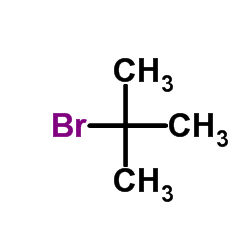
2-Bromo-2-methylpropane
- CAS No.507-19-7
- GradeIndustrial / Pharmaceutical
- Availability● In Stock
High-purity 2-Bromo-2-methylpropane (CAS 507-19-7) serving as a vital alkylating agent for advanced organic synthesis and pharmaceutical intermediate manufacturing.
Request Bulk PricingProduct Technical Details
Product Overview
2-Bromo-2-methylpropane, widely recognized in the chemical industry as tert-Butyl bromide, stands as a fundamental halogenated hydrocarbon essential for modern organic synthesis. As a tertiary alkyl halide, this compound plays a pivotal role in various chemical transformations, particularly serving as a robust alkylating agent. Our manufacturing facility ensures that every batch meets stringent international quality standards, providing reliable raw materials for pharmaceutical, agrochemical, and fine chemical production lines. The compound is characterized by its high reactivity in nucleophilic substitution reactions, making it indispensable for constructing complex molecular architectures.
Technical Specifications
| Parameter | Specification |
|---|---|
| CAS Number | 507-19-7 |
| Molecular Formula | C4H9Br |
| Molecular Weight | 137.02 g/mol |
| Appearance | Colorless clear liquid |
| Purity (GC) | ≥99.0% |
| Moisture Content | ≤0.1% |
| Density | 1.22 g/cm3 |
| Boiling Point | 72°C |
Physical And Chemical Properties
This substance presents as a colorless clear liquid with a characteristic odor typical of alkyl halides. It possesses a boiling point of approximately 72°C and a melting point around -20°C, facilitating easy handling and distillation processes under standard industrial conditions. The refractive index is recorded at 1.4279, serving as a key identifier for quality control verification. With a flash point of 65°F, appropriate safety measures must be implemented during storage and transportation to mitigate flammability risks. The high density of 1.22 indicates its heavy molecular structure relative to water, which is a critical factor during separation and extraction phases in synthesis workflows.
Industrial Applications
Primarily utilized as an organic synthesis intermediate, 2-Bromo-2-methylpropane is extensively employed in the preparation of Grignard reagents, specifically tert-butylmagnesium bromide. These reagents are crucial for introducing tert-butyl groups into organic molecules, a common requirement in the development of active pharmaceutical ingredients (APIs) and specialized polymers. Furthermore, it acts as a key building block in the synthesis of antioxidants, fragrances, and various agrochemical compounds. Its versatility in alkylation reactions allows chemists to efficiently modify molecular structures, enhancing the performance and stability of downstream products. Our global clientele relies on this material for consistent results in research and development as well as large-scale manufacturing.
Quality Assurance And Packaging
We adhere to rigorous quality management systems to ensure product consistency. Each production lot undergoes comprehensive testing via gas chromatography to verify purity levels exceeding 99.0%. Certificates of Analysis (COA) are provided with every shipment to guarantee transparency and compliance. The standard packaging configuration involves 250 kg drums, designed to maintain integrity during international logistics. However, we offer flexible packaging solutions tailored to specific customer requirements, ensuring safe delivery regardless of volume. Our commitment to industrial purity and manufacturing process excellence makes us a preferred partner for bulk chemical sourcing.
Safety And Storage Guidelines
Proper storage is essential to maintain the stability of 2-Bromo-2-methylpropane. Containers should be kept tightly closed in a cool, dry, and well-ventilated area away from incompatible substances such as strong oxidizers and bases. Personnel handling this chemical must utilize appropriate personal protective equipment, including chemical-resistant gloves and safety goggles, to prevent skin contact and inhalation of vapors. In case of spills, standard hazardous material containment procedures should be followed immediately. By following these guidelines, users can ensure a safe working environment while leveraging the full potential of this high-performance chemical intermediate.