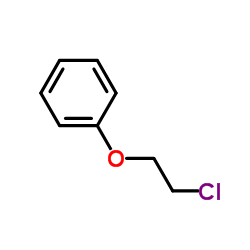
2-Phenoxyethyl chloride
- CAS No.622-86-6
- GradeIndustrial / Pharmaceutical
- Availability● In Stock
High-purity 2-Phenoxyethyl chloride (CAS 622-86-6) designed for pharmaceutical synthesis. Reliable supply with strict quality control for global manufacturing needs.
Request Bulk PricingProduct Technical Details
Product Overview
2-Phenoxyethyl chloride serves as a critical building block in modern organic synthesis, particularly within the pharmaceutical and fine chemical industries. This aromatic ether derivative is characterized by its reactive chloroalkane functionality, which enables versatile coupling reactions essential for constructing complex molecular architectures. Our manufacturing facility produces this intermediate under stringent quality management systems to ensure consistency and reliability for downstream applications.
As a key precursor, this compound is extensively utilized in the synthesis of various active pharmaceutical ingredients, including vasoconstrictors and other therapeutic agents. The high purity grade we supply minimizes side reactions during synthesis, thereby improving overall yield and reducing purification costs for our clients. We understand the importance of supply chain stability in chemical manufacturing and maintain robust inventory levels to support continuous production schedules.
Technical Specifications
| Parameter | Specification |
|---|---|
| Appearance | White or off-white Solid |
| Purity | ≥98.0% |
| Water Content | ≤0.1% |
| CAS Number | 622-86-6 |
| Molecular Formula | C8H9ClO |
| Molecular Weight | 156.61 g/mol |
Physical and Chemical Properties
The physical properties of 2-Phenoxyethyl chloride are critical for handling and processing in industrial settings. With a density of approximately 1.129 g/mL at 25 degrees Celsius, the material exhibits typical characteristics of halogenated aromatic ethers. The boiling point is recorded at 97 to 98 degrees Celsius under reduced pressure (15 mm Hg), which facilitates distillation and purification processes during manufacturing. The melting point is observed around 28 degrees Celsius, indicating a solid state at standard ambient temperatures.
Furthermore, the refractive index is measured at n20/D 1.534, providing a reliable metric for identity confirmation and quality control testing. The flash point of 213 degrees Fahrenheit underscores the need for appropriate safety measures during storage and transportation. These physical constants are rigorously verified in our laboratory to ensure every batch meets the declared specifications before shipment.
Industrial Applications
This chemical intermediate is primarily employed in the preparation of pharmaceutical compounds. It acts as an alkylating agent in nucleophilic substitution reactions, allowing for the introduction of the phenoxyethyl moiety into target molecules. Specific applications include the synthesis of nafazodone and related raw materials used in medicinal chemistry. Beyond pharmaceuticals, it may also find utility in the development of agrochemicals and specialty polymers where ether linkages are required.
- Pharmaceutical intermediate synthesis
- Organic building block for complex molecules
- Reagent for nucleophilic substitution reactions
- Precursor for vasoconstrictor agents
Quality Assurance and Packaging
We prioritize quality assurance through comprehensive testing protocols. Each production batch is accompanied by a Certificate of Analysis (COA) detailing all critical parameters. Our packaging options are designed to maintain product integrity during transit. Standard packing consists of 25 kg drums, though we offer flexible customization to meet specific logistical requirements. Custom packaging solutions are available upon request to align with your manufacturing workflow.
Storage and Handling
To preserve stability, 2-Phenoxyethyl chloride should be stored in a tightly closed container within a cool, dry, and well-ventilated area. It is essential to keep the material away from incompatible substances such as strong oxidizing agents and bases. Proper handling procedures, including the use of personal protective equipment, are recommended to ensure safety during operations. Adhering to these storage guidelines guarantees the longevity and performance of the chemical in your synthesis processes.