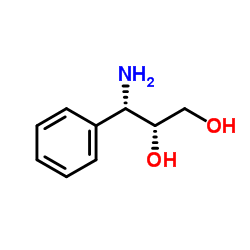
(2R,3S)-3-Phenylisoserine
- CAS No.136561-53-0
- GradeIndustrial / Pharmaceutical
- Availability● In Stock
High-purity (2R,3S)-3-Phenylisoserine, a key chiral intermediate for the synthesis of Cabazitaxel and other advanced oncology APIs.
Request Bulk PricingProduct Technical Details
Product Overview
(2R,3S)-3-Phenylisoserine is a high-value chiral amino acid derivative widely employed as a critical building block in the pharmaceutical industry. With its defined stereochemistry and functional group array, it serves as an essential intermediate in the synthesis of complex taxane-based therapeutics, most notably Cabazitaxel (CAS: 183133-96-2), a second-generation microtubule inhibitor used in oncology treatments.
Specifications
| Molecular Formula | C9H11NO3 |
|---|---|
| Molecular Weight | 167.205 g/mol |
| Density | 1.2 ± 0.1 g/cm³ |
| Boiling Point | 360.6 ± 37.0 °C at 760 mmHg |
| Flash Point | 171.9 ± 26.5 °C |
| Vapour Pressure | 0.0 ± 0.8 mmHg at 25°C |
| Refractive Index | 1.594 |
| Assay | ≥98.0% |
| Appearance | White to off-white powder |
Industrial Applications
This compound is exclusively utilized as a synthetic intermediate in regulated pharmaceutical manufacturing environments. Its primary application lies in the stereoselective construction of the side chain of Cabazitaxel, where precise chirality at the 2R,3S positions is crucial for biological activity and regulatory compliance. Due to its role in enabling complex active pharmaceutical ingredients (APIs), (2R,3S)-3-Phenylisoserine is produced under stringent quality control protocols aligned with ICH guidelines.
- Enables high-yield, stereospecific coupling in taxane derivatization
- Supplied with full analytical documentation including COA and HPLC chromatograms
- Compatible with GMP-compliant manufacturing workflows
- Stable under recommended storage conditions for extended shelf life
For industrial-scale procurement, the product is typically packed in 25 kg fiber drums with double-layer polyethylene liners, though custom packaging solutions are available upon request. Storage should be in a cool, dry, and well-ventilated area away from incompatible materials.