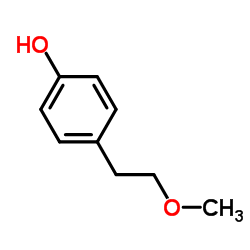
4-(2-Methoxyethyl)phenol
- CAS No.56718-71-9
- GradeIndustrial / Pharmaceutical
- Availability● In Stock
High-purity 4-(2-Methoxyethyl)phenol (CAS 56718-71-9) designed for pharmaceutical synthesis. Ideal intermediate for Metoprolol production with ≥98.0% assay guarantee.
Request Bulk PricingProduct Technical Details
Product Overview
4-(2-Methoxyethyl)phenol is a specialized organic compound widely recognized for its critical role in the pharmaceutical industry. As a key building block, this chemical serves as an essential intermediate in the synthesis of various therapeutic agents, most notably beta-blockers such as Metoprolol. Our manufacturing process ensures that every batch meets stringent quality standards, providing reliability for downstream production lines. The compound is characterized by its stable chemical structure and high reactivity, making it suitable for complex organic synthesis routes required in modern medicinal chemistry.
We understand the importance of consistency in pharmaceutical manufacturing. Therefore, our facility employs advanced purification technologies to achieve superior purity levels. This product is designed to facilitate efficient reaction pathways, reducing waste and optimizing yield for our global partners. Whether used in research and development or large-scale commercial production, 4-(2-Methoxyethyl)phenol stands out as a reliable choice for chemists seeking high-performance raw materials.
Technical Specifications
The following table outlines the key physical and chemical properties of our premium grade 4-(2-Methoxyethyl)phenol. These parameters are rigorously tested to ensure compliance with international standards.
| Parameter | Value |
|---|---|
| CAS Number | 56718-71-9 |
| Molecular Formula | C9H12O2 |
| Molecular Weight | 152.190 g/mol |
| Appearance | White to light yellow liquid |
| Assay | ≥98.0% |
| Moisture Content | ≤1.0% |
| Density | 1.1±0.1 g/cm3 |
| Boiling Point | 239.9±15.0 °C at 760 mmHg |
| Melting Point | 42-45 ºC |
| Flash Point | 97.8±14.6 °C |
Industrial Applications
The primary application of this compound lies in the pharmaceutical sector, specifically as a precursor for cardiovascular medications. It is extensively used in the manufacturing process of Metoprolol, a widely prescribed medication for managing hypertension and angina. Beyond this specific use, the chemical structure offers versatility for other organic synthesis applications where phenolic ethers are required. Our clients utilize this intermediate to develop novel formulations and improve existing production workflows.
- Essential intermediate for Metoprolol synthesis
- Used in the production of cardiovascular therapeutic agents
- Suitable for custom organic synthesis projects
- Supports research into new pharmaceutical derivatives
Quality Assurance and Packaging
Quality is the cornerstone of our operation. Each production batch undergoes comprehensive analysis using high-performance liquid chromatography (HPLC) and other advanced spectroscopic methods. We provide a Certificate of Analysis (COA) with every shipment, detailing the specific test results for purity, moisture, and identity. This transparency ensures that our partners can maintain their own quality control standards without interruption.
Regarding packaging, we offer flexible solutions to meet diverse logistical needs. The standard packaging configuration is 200 kg per drum, ensuring safety and stability during transit. However, we recognize that different projects require different scales. Therefore, we can customize packaging according to specific customer requirements. Our logistics team ensures that all materials are handled with care, complying with international shipping regulations for chemical substances.
Storage and Handling
To maintain the integrity of 4-(2-Methoxyethyl)phenol, proper storage conditions are essential. The product should be stored in a cool, ventilated place away from direct sunlight and sources of ignition. Containers must be kept tightly closed when not in use to prevent moisture absorption and contamination. Personnel handling this material should follow standard safety protocols, including the use of appropriate personal protective equipment (PPE). By adhering to these guidelines, users can ensure the longevity and performance of the chemical throughout its shelf life.