4-Isopropylaniline
- CAS No.99-88-7
- GradeIndustrial / Pharmaceutical
- Availability● In Stock
High purity 4-Isopropylaniline (CAS 99-88-7) for agrochemical synthesis. Reliable supply of pesticide intermediates with full quality documentation.
Request Bulk PricingProduct Technical Details
Product Overview
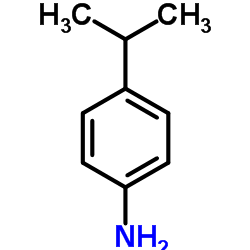
4-Isopropylaniline, frequently recognized in the chemical industry as p-Isopropylaniline or 4-propan-2-ylaniline, represents a vital aromatic amine derivative utilized extensively within the agrochemical and organic synthesis sectors. As a leading manufacturer with decades of expertise, we provide this essential building block with stringent quality controls to ensure optimal performance in downstream applications. Our production facilities adhere to international safety and environmental standards, guaranteeing a consistent supply of high-purity material for global partners.
The chemical structure features an aniline backbone substituted with an isopropyl group at the para position, imparting specific reactivity profiles suitable for coupling reactions and functional group transformations. This molecular architecture makes it an indispensable raw material for the creation of complex organic molecules, particularly in the formulation of modern agricultural protection agents.
Technical Specifications
Quality consistency is paramount in chemical manufacturing. Each batch of 4-Isopropylaniline undergoes rigorous analytical testing to verify compliance with specified physical and chemical parameters. The following table outlines the standard technical data associated with this product grade:
| Parameter | Value |
|---|---|
| CAS Number | 99-88-7 |
| Molecular Formula | C9H13N |
| Molecular Weight | 135.206 g/mol |
| Appearance | Colorless oily liquid |
| Assay (Purity) | ≥99.0% |
| Boiling Point | 225.6±9.0 °C |
| Melting Point | -63 °C |
| Density | 1.0±0.1 g/cm3 |
| Refractive Index | 1.543 |
| Loss on Drying | ≤0.5% |
Industrial Applications
The primary utility of 4-Isopropylaniline lies in its role as a key intermediate for the synthesis of phenylurea herbicides. Most notably, it serves as a precursor for Isoproturon, a widely used herbicide effective against annual grasses and broad-leaved weeds in cereal crops. Beyond agrochemicals, this compound finds application in the production of dyes, pigments, and various pharmaceutical intermediates where an aromatic amine functionality is required.
Our clients leverage this material for diverse synthetic routes, benefiting from its high reactivity and stability under standard processing conditions. The high purity level ensures minimal byproduct formation during subsequent reaction steps, thereby improving overall yield and reducing purification costs for our customers.
Quality Assurance and Safety
We maintain a robust quality management system that tracks every stage of production from raw material sourcing to final packaging. A Certificate of Analysis (COA) is provided with every shipment, detailing the specific test results for the batch received. Safety is our priority; therefore, we recommend handling this substance in a well-ventilated area with appropriate personal protective equipment, as it is an organic amine.
- Strict adherence to ISO quality management protocols.
- Comprehensive stability testing under various storage conditions.
- Transparent documentation and regulatory compliance support.
- Responsive technical support for process optimization inquiries.
Our logistics network ensures timely delivery to major chemical hubs across Asia, Europe, and the Americas. We understand the critical nature of supply chain continuity in manufacturing and strive to maintain adequate stock levels to meet urgent demands.
Packaging and Storage
To preserve the integrity of the chemical during transit, 4-Isopropylaniline is packaged in secure 25kg drums. Customized packaging solutions are available upon request to meet specific logistical requirements or bulk order needs. For storage, the product should be kept in a cool, dry, and well-ventilated environment. Containers must remain tightly closed when not in use to prevent contamination or moisture absorption, ensuring the material remains within specification until use.