(4-Pyren-1-ylphenyl)boronic Acid
- CAS No.872050-52-7
- GradeIndustrial / Pharmaceutical
- Availability● In Stock
Premium grade (4-Pyren-1-ylphenyl)boronic acid designed for high-performance OLED intermediate synthesis. Ensures exceptional purity and stability for advanced organic electronics applications.
Request Bulk PricingProduct Technical Details
Product Overview
Our flagship offering, (4-Pyren-1-ylphenyl)boronic Acid, represents a critical building block in the synthesis of advanced organic electronic materials. Specifically engineered for the demanding requirements of the OLED industry, this compound serves as a vital intermediate in the construction of high-efficiency luminescent structures. As a specialized boronic acid derivative, it facilitates precise cross-coupling reactions essential for creating complex conjugated systems used in next-generation display technologies.
We understand that the performance of organic light-emitting diodes is directly correlated with the purity and structural integrity of the precursor materials. Therefore, our manufacturing process adheres to rigorous quality control standards, ensuring that every batch meets or exceeds the specified assay requirements. This commitment to excellence makes our product the preferred choice for research laboratories and industrial-scale production facilities focused on organic electronics.
Chemical Properties and Structure
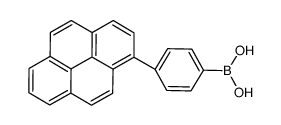
The molecular architecture of (4-Pyren-1-ylphenyl)boronic Acid combines the robust fluorescence properties of the pyrene unit with the versatile reactivity of the boronic acid functional group. This unique combination allows chemists to utilize Suzuki-Miyaura coupling protocols with high efficiency and selectivity. The pyrene moiety is renowned for its excellent charge transport capabilities and strong fluorescence, making it an indispensable component in the design of host materials and emissive layers.
Stability is another key feature of this compound. Despite the reactive nature of boronic acids, our specialized stabilization techniques ensure that the product remains stable under recommended storage conditions. This reduces the risk of protodeboronation or oxidation during storage and handling, thereby maximizing the yield of downstream synthesis reactions. The molecular formula C22H15BO2 reflects a balanced structure optimized for both solubility in common organic solvents and reactivity in catalytic cycles.
Quality Specifications
Quality assurance is the cornerstone of our production philosophy. Each lot undergoes comprehensive analytical testing using state-of-the-art instrumentation including HPLC, NMR, and Mass Spectrometry. We guarantee consistent performance across all shipments, providing customers with the reliability needed for scalable manufacturing processes. The following table outlines the key technical specifications for this product:
| Parameter | Specification |
|---|---|
| Chemical Name | (4-Pyren-1-ylphenyl)boronic Acid |
| CAS Number | 872050-52-7 |
| Molecular Formula | C22H15BO2 |
| Molecular Weight | 322.16 g/mol |
| Appearance | White powder |
| Purity (Assay) | ≥99.0% |
| Boiling Point | 138ºC |
| Packaging | 25 kg/drum or customized |
Industrial Applications
The primary application of this boronic acid derivative lies in the fabrication of OLED intermediates. It is extensively used in the synthesis of polymeric and small molecule emitters that power modern displays and lighting solutions. Beyond OLEDs, this compound finds utility in the development of organic photovoltaics and organic field-effect transistors where charge mobility is paramount. Researchers also utilize this material as a standard reference in the study of polycyclic aromatic hydrocarbons and their electronic properties.
Our clients benefit from the high purity levels which minimize impurity-related quenching effects in the final device. This results in OLED panels with higher brightness, longer operational lifetimes, and better color purity. Whether used in academic research or commercial production, this intermediate provides a reliable foundation for innovation in organic electronics.
Storage and Handling
To maintain optimal quality, (4-Pyren-1-ylphenyl)boronic Acid should be stored in a cool, ventilated place away from direct sunlight and moisture. Containers must be kept tightly sealed when not in use to prevent exposure to atmospheric humidity which can affect boronic acid stability. We recommend using appropriate personal protective equipment during handling, including gloves and safety goggles, in accordance with standard laboratory safety protocols.
We offer flexible packaging options including 25 kg drums and customized solutions based on specific customer requirements. Our logistics network ensures timely global delivery with full documentation including Certificates of Analysis (COA) and Technical Data Sheets. Partner with us for a reliable supply chain that supports your development goals with premium chemical intermediates.